The Private Safari Guide: Exclusive Wildlife Access, Family Pacing and Conservation Impact
In short: a private safari gives you your own vehicle, your own guide and a schedule built entirely around you. The best ones go further, using private concessions and conservancies where vehicle numbers are capped, off-road tracking, night drives and guided walks are allowed, and your stay directly funds the rangers and communities protecting the land. That combination of exclusive wildlife access, flexible family-friendly pacing, seamless logistics and real conservation impact is what separates a high-end private safari from a standard package. This guide explains how each part works and how to plan yours.
What is a private safari?
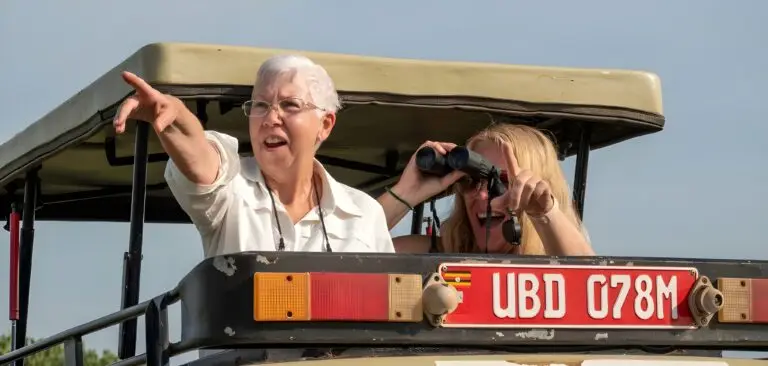
A private African safari is a trip where you never share a game drive vehicle, guide or itinerary with travellers outside your own group. That might be a couple, a family with young children, three generations travelling together or a group of friends. You still stay at lodges and camps with other guests, but your days run to your timetable rather than the lodge’s.
At the high end, a private safari usually combines four things: a private vehicle and guide, lodges inside private reserves or conservancies, door-to-door logistics including light aircraft transfers, and a clear link to conservation and community projects. Most private safaris in Africa we plan start from an example itinerary and are then tailored to the people travelling.
| Shared safari | Private safari | |
|---|---|---|
| Vehicle | Shared with other guests, seats allocated | Yours alone, everyone gets a window seat |
| Game drive times | Fixed morning and afternoon drives | Leave early, stay out all day or come back for a nap |
| Sightings | Group decides how long to stay | You decide, ideal for photographers |
| Children | Minimum ages often apply | Most camps welcome families who book a private vehicle |
| Itinerary | Set dates and route | Your dates, parks, lodges and pace |
| Activities | Mostly game drives | Walks, night drives, boating, bush meals, cultural visits |
Exclusive wildlife access: private reserves and conservancies
Where you stay matters as much as who you travel with. Africa’s national parks are spectacular, but they are open to everyone, roads are fixed and popular sightings can draw a crowd. Private concessions and conservancies work differently. A limited number of lodges hold the rights to a large area of land, so only their guests can drive there.
That brings real advantages:
- Fewer vehicles. Most conservancies cap how many vehicles can be at a sighting at once, so you watch a leopard in a tree or a lion pride on a kill in peace.
- Off-road tracking. Guides can leave the track to follow animals, which is how many of the best big cat sightings happen.
- Night drives. Spotlit drives after dark reveal aardvarks, porcupines, genets, bush babies and hunting predators. Night drives are not allowed in most national parks.
- Walking safaris. Exploring on foot with an armed guide is a completely different way to read the bush.
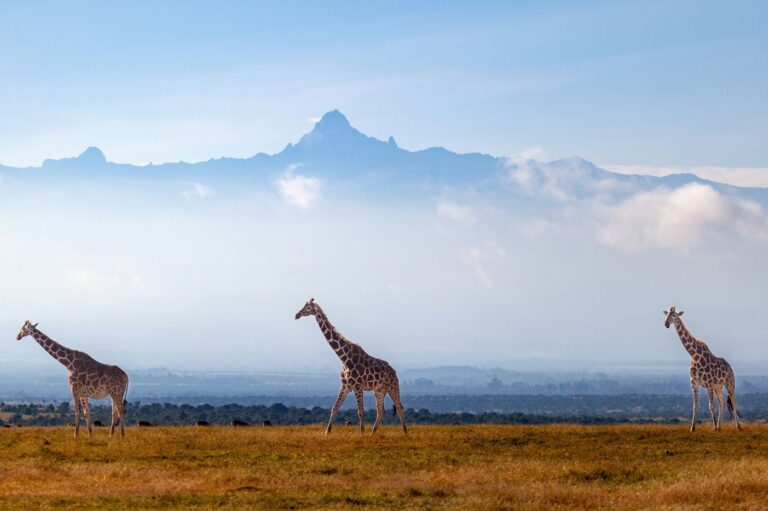
Some of the best known examples are the Sabi Sand and Timbavati reserves, which share unfenced borders with Kruger National Park in South Africa; the conservancies bordering the Masai Mara in Kenya; and the private concessions of the Okavango Delta and Linyanti in Botswana. Our guide to the best safari lodges in Africa covers individual camps in more detail.
Your own vehicle and guide
A private vehicle is the single biggest upgrade you can make to a safari. Your guide reads your interests from day one. Keen birders get time at a waterhole full of bee-eaters. Photographers get the right light and the right angle, with the engine switched off when it matters. Anyone who wants to stay with a sighting for an hour can, and anyone who has had enough can head back for lunch.
Many lodges also offer a private tracker or a specialist photographic vehicle with camera mounts and swivel seats. Our guide to safari vehicle types explains the differences between open vehicles, closed vehicles and pop-top Land Cruisers, and our safari etiquette guide covers how to get the most from your guide.
Family-friendly pacing
Families gain more from a private safari than anyone else. On a shared vehicle, a restless five-year-old can spoil a sighting for strangers, which is why many camps set minimum ages for shared game drives. Many lodges will happily welcome young children when the family books its own vehicle, because the pace is then set by the family.
That flexibility is what makes a family safari work:
- Shorter drives when needed. Two or three hours in the cool of the morning, a swim and a rest at midday, then out again in the late afternoon.
- Activities for children. Many family-friendly lodges run junior ranger programmes covering tracking, animal footprints, bushcraft and stargazing.
- Family rooms and private houses. Interconnecting tents, family suites and exclusive-use safari houses with their own chef, guide and vehicle.
- Malaria-free options. Reserves such as Madikwe and the Waterberg in South Africa, plus private reserves in the Eastern Cape, are good choices for very young children.
- Age limits to plan around. Gorilla trekking has a minimum age of 15, and walking safaris and canoeing often start at 12 to 16. A tailored itinerary simply swaps in other activities for younger children.
For more ideas, read our guide to taking kids on safari, or see example family itineraries like our Family Great Migration Safari in Kenya and Family Kruger Safari & Cape Town Adventure. Our activity levels page explains how active each trip is.
Tailored logistics, door to door
The logistics are where a well-planned private safari quietly earns its value. Africa’s best wildlife areas are often remote, and moving between them smoothly takes local knowledge and good timing.
- Light aircraft transfers. Small planes link remote airstrips and turn a long day’s drive into a short scenic flight. Scheduled seats are the usual choice, and private charters add flexibility for families or groups. Luggage is normally limited to around 15 to 20 kg per person in soft bags, so pack accordingly.
- Meet and greet. Someone meets you at every airport and airstrip, and international connections are planned so you are not rushing or waiting.
- Combining destinations. A private itinerary can join a Kenya or Tanzania safari with gorilla trekking in Rwanda or Uganda, Victoria Falls with Botswana, or the bush with a beach in Zanzibar, Mozambique or Mauritius.
- Your needs built in. Dietary requirements, mobility, celebrations, private bush dinners, photography goals and the rhythm of your days are all planned in from the start.
- Timing. The best time to go on safari differs by country and by what you want to see, and good lodges book out a year or more ahead in peak months.
Every quote lists what is and isn’t included, so you can compare options clearly. If you are weighing up who to book with, our guide on choosing a safari tour operator lists the questions worth asking.
Meaningful conservation impact
A high-end private safari can do real good, because the way it is priced and structured sends money directly to conservation and local people.
- Conservation and park fees pay for rangers, anti-poaching patrols, research and wildlife monitoring.
- Community conservancies, such as those around the Masai Mara, lease land from local landowners. Families earn a regular income from wildlife instead of fencing or farming the land, which keeps migration routes open.
- Low-volume tourism in places like Botswana means fewer, higher-value visitors and less pressure on fragile habitats.
- Gorilla permits fund the protection of mountain gorillas, and Rwanda shares a portion of park revenue with surrounding communities. Read more in our mountain gorilla facts guide.
- Lodge employment and sourcing creates jobs, training and business for nearby villages.
Impact is also part of how we travel. Adventure Out Loud has funded education projects in Kenya, Tanzania, Uganda, Ethiopia and Zimbabwe, helping more than 150 children through school, and many itineraries can include a visit to one of our charity partners, such as the Sheldrick Wildlife Trust in Nairobi. Learn more about impact travel, and read why we recommend not giving gifts to children on safari.
Where to go on a private safari
| Country | Private safari highlights | Best for |
|---|---|---|
| South Africa | Sabi Sand and Timbavati next to Kruger, malaria-free Madikwe and the Eastern Cape | Leopards, families, short trips, combining with Cape Town |
| Kenya | Masai Mara conservancies, Laikipia and Samburu | The Great Migration, big cats, walking and cultural visits |
| Tanzania | Serengeti, Ngorongoro and private concessions in the north | The Great Migration, classic first safaris, Zanzibar add-on |
| Botswana | Okavango Delta and Linyanti concessions, Chobe | Wilderness, water safaris, low visitor numbers |
| Rwanda and Uganda | Volcanoes, Bwindi and Akagera | Mountain gorillas, chimpanzees, combining with a savannah safari |
| Zambia and Zimbabwe | South Luangwa, Lower Zambezi, Mana Pools, Hwange and Victoria Falls | Walking safaris, canoeing, expert guiding |
Still deciding? Our guide on where to go on safari compares each country in more depth, and our luxury African safaris page shows example itineraries.
What affects the cost of a private safari
Private safaris cost more than shared ones, but the price depends far more on your choices than on the word private. The main factors are the season, the lodges and how exclusive they are, how many nights you spend in private concessions, the number of light aircraft flights, whether you book a private vehicle at lodges that otherwise share, and park, conservancy and permit fees. Travelling as a family or small group can bring the per-person cost of a private vehicle down considerably.
For typical price ranges by country and style, see our guide to how much a safari costs.
How to plan your private safari
- Start with what matters most. A particular animal, the Great Migration, gorillas, time with the kids, photography or simply rest.
- Pick your window. Your travel dates shape which countries and parks are at their best.
- Choose one to three areas. Fewer moves means more time watching wildlife. Three or four nights per camp is ideal.
- Match lodges to your group. Family suites, exclusive-use houses, minimum ages and activities all vary by camp.
- Book early. The best private camps and family rooms in peak season often fill 12 months or more in advance.
New to Africa? Our first-timer’s guide to planning an African safari covers visas, health, packing and more.
Private safari FAQs
Is a private safari worth the extra cost?
For families, photographers, honeymooners and anyone with specific interests, usually yes. You control how long you spend at each sighting, when you head out and when you rest, and in private concessions you also get off-road tracking, night drives and far fewer vehicles.
Can young children go on a private safari?
Yes. Many lodges that set minimum ages for shared game drives welcome younger children when the family books a private vehicle. Malaria-free reserves in South Africa are a good choice for very young children. Some activities, such as gorilla trekking (15 and over) and walking safaris, still have age limits.
What is the difference between a national park and a private conservancy?
National parks are open to all visitors, with fixed roads and rules that usually rule out off-road driving and night drives. Private conservancies and concessions limit access to guests of a few lodges, cap vehicle numbers and allow off-road tracking, walks and night drives.
How far ahead should I book a private safari?
For peak season, especially July to October, school holidays and the Great Migration, aim for 9 to 12 months or more. Exclusive-use houses and family rooms are often the first to go.
How does a private safari support conservation?
Conservation fees, conservancy lease payments to local landowners, gorilla permits and lodge jobs all help pay for wildlife protection and give communities a reason to keep land wild. Choosing lodges and operators with clear community and conservation programmes makes the biggest difference.