Should You Feed The Children
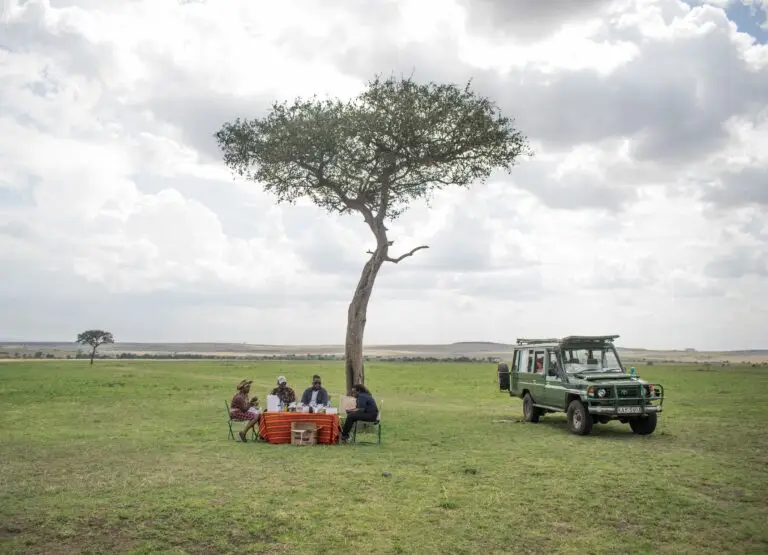
2pm Christmas Day, I’m comfortably slouching in the bucket seat of our safari jeep. Before dawn, we’d woken and begun a game drive around Tarangire National Park, Tanzania. It has been a breathtaking day and I’ve spent most of it standing, staring at literally thousands of elephants, close enough to touch if you dare. The majestic sight of these gentle giants roaming freely in their natural habitat is an experience that stays with you forever, highlighting the beauty of nature and our responsibility to protect it.
Making our way back to our accommodation, it was hard to ignore the smiling faces and outstretched hands of small children as we whirled past. Cradling my food baby, a direct result of Waziri’s gourmet Christmas lunch, a wave of guilt washed over me. I feel bad that I devoured that third serving, that I have nothing to give these obviously malnourished, hungry children. It’s a heart-wrenching moment that many travelers experience, and it forces us to confront the uncomfortable reality of poverty that exists alongside the beauty of the landscapes we visit. The juxtaposition of my comfortable life against their harsh realities is jarring and thought-provoking.
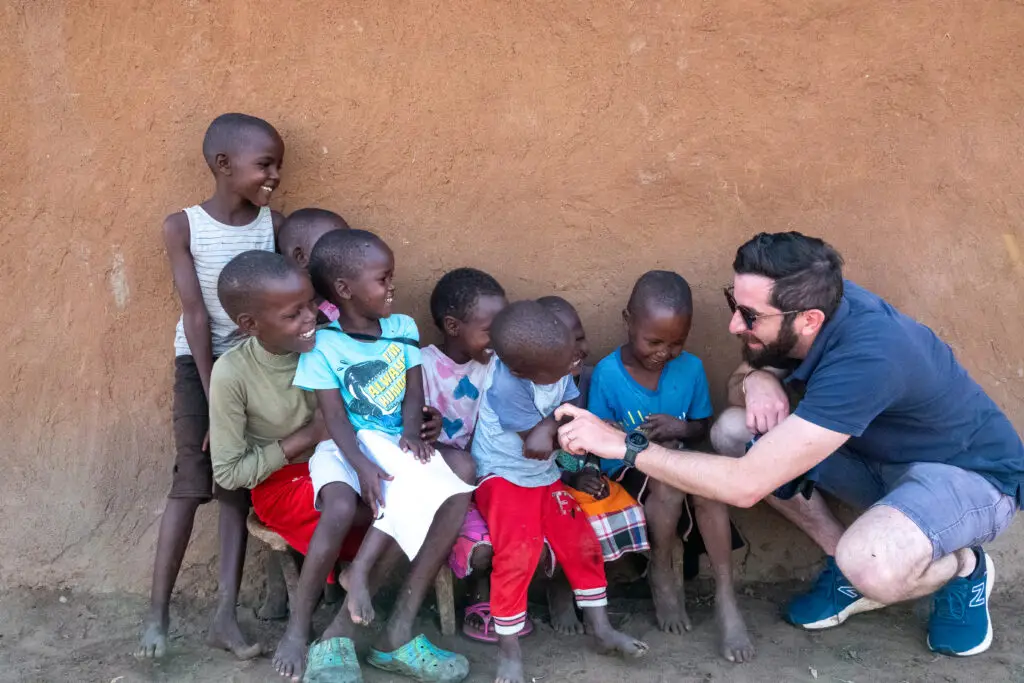
This is a scenario that almost every tourist visiting Tanzania, Kenya, East Africa, or Africa is faced with. I’ve seen it for 10 years yet driving past still makes me feel guilty. True, the food tourists give these children directly contributes to keeping them fed and maybe even to their survival. Unfortunately, longer-term, it also contributes to ensuring these children will never graduate school, never get a full-time job, and will always depend on tourist hand-outs to survive. This cycle creates a dependency that is difficult to break, and it stunts their opportunities for a better future. By providing direct handouts, we inadvertently reinforce a system that keeps them in poverty.
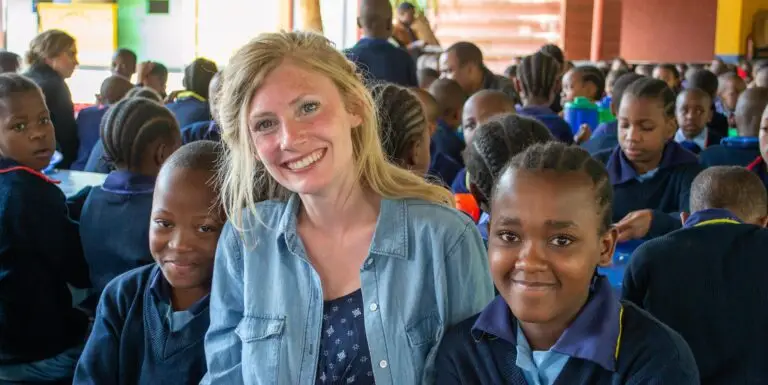
Think this is an extreme view? Survey 100 of these students and ask them why they are not in school. Most will say they need to beg to eat and survive the day and sadly in some cases, this is true. They prioritize immediate survival over education, which is a long-term investment that can change their lives. The lack of education not only affects them but also has a ripple effect on their families and communities.
In every national park around the world, we have signs saying, “don’t feed the animals.” Primarily, these signs exist to remind visitors that feeding wild animals conditions them to depend on humans for food. This behavior can lead to dangerous situations for both animals and humans, as animals lose their natural instincts and become reliant on human intervention.
Feeding children in disadvantaged countries teaches them to depend on tourists and begging for survival. Children eventually grow up, and with no education, they cannot find a job, and they’re left with a dangerous dependency that we’re no longer happy to feed. It’s a heartbreaking reality that we must face; we are perpetuating a system that hinders their growth and potential.
Next time you see a child begging, please consider the short and long-term implications of your decisions. Without a doubt, your heart is in the right place; how many times has your heart led you astray? Instead of giving food or money directly, consider donating to reputable organizations such as our charity partners that focus on education and sustainable development. Supporting local businesses, schools, and initiatives can have a far greater impact than a one-time handout. This approach can help break the cycle of dependency and empower communities to create their own solutions.