Practicing responsible tourism is easy when you know how. Your choices can empower local communities, protect ecosystems, and ensure travel benefits everyone, not just foreign corporations. Traveling to developing countries offers incredible experiences: pristine wildlife reserves, vibrant cultures, and untamed landscapes.
Whether you’re planning a safari in East or Southern Africa, A trek on Mt Kenya or Kilimanjaro or visit to any emerging destination, here are 7 practical ways to travel responsibly.
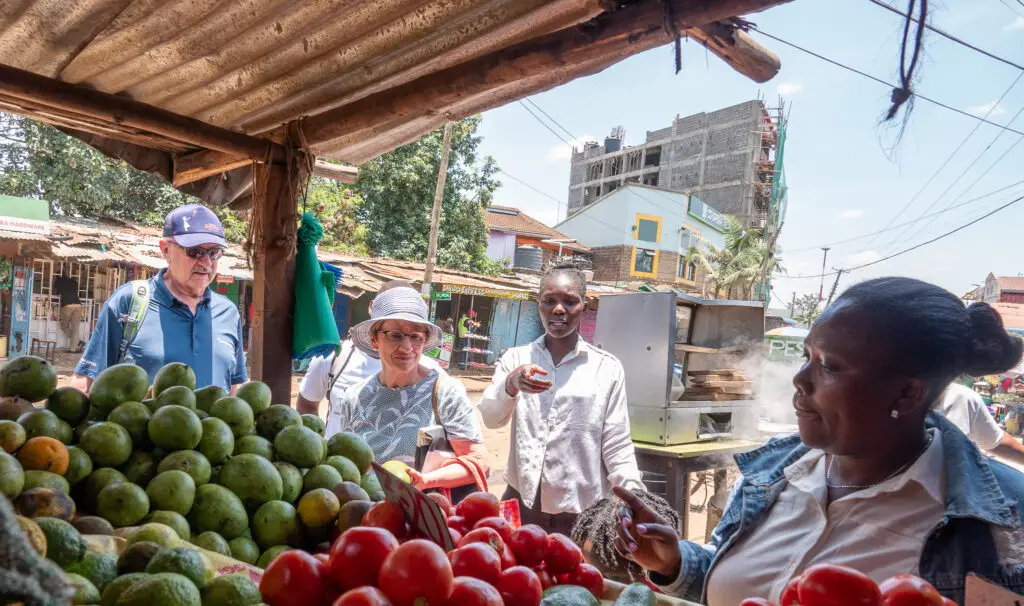
1. Support Local Businesses and Economies
Choose locally owned lodges, restaurants, transport providers, and tour operators. When you spend money with local businesses:
Tourism revenue stays in the community
Local families earn fair wages and share profits
Cultural traditions are preserved rather than exploited
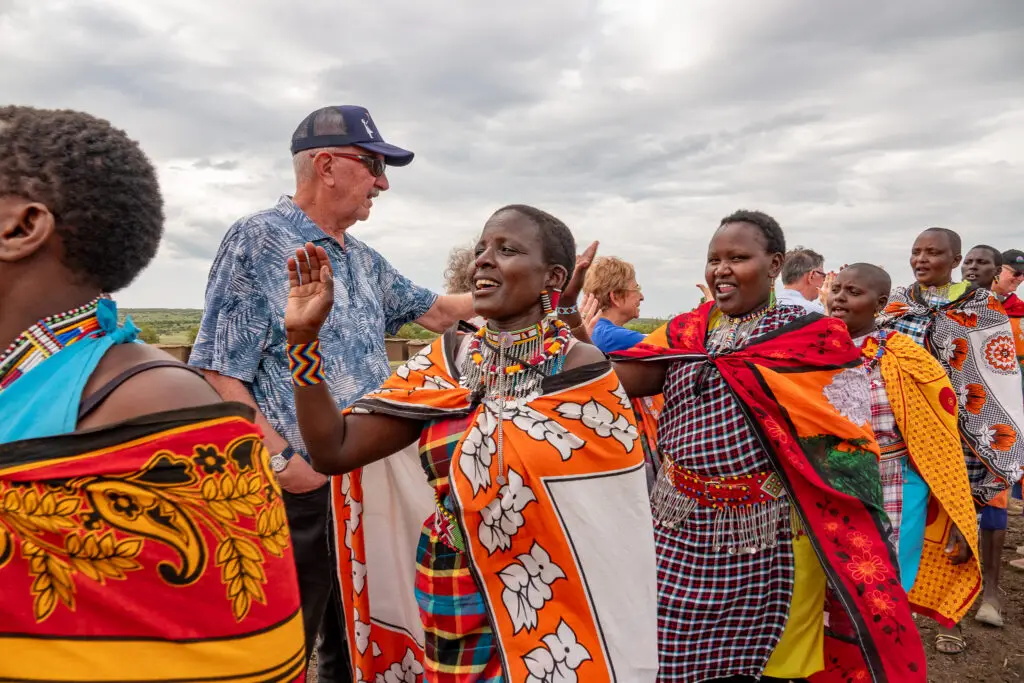
2. Responsible Tourism means Respecting Local Cultures and Traditions
Developing countries often have rich cultural heritage that can be easily misunderstood or commodified.
Learn basic greetings in the local language
Dress appropriately, especially in rural or religious areas
Ask permission before photographing people
Follow local customs around food, gestures, and behavior
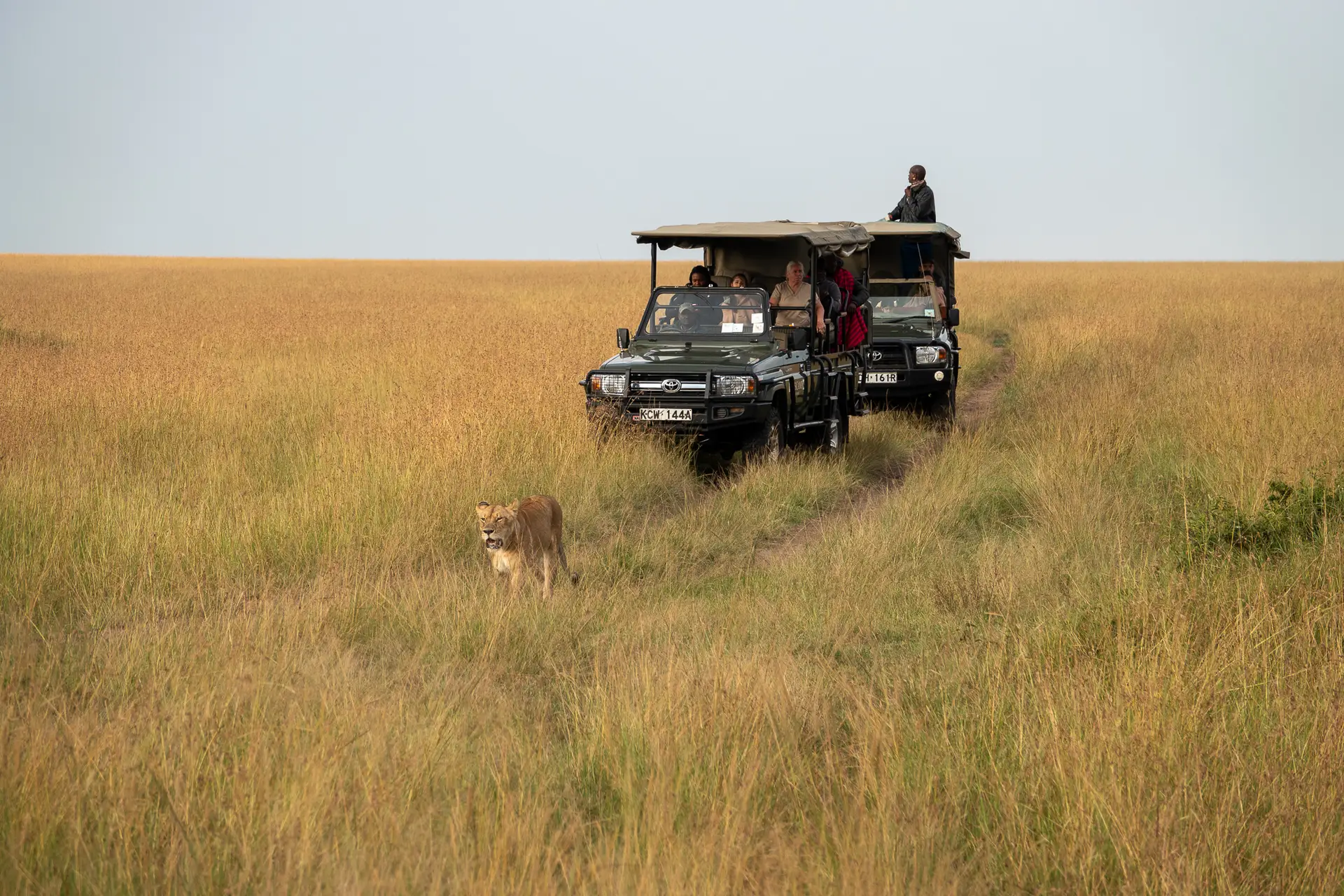
3. Protect Wildlife and Natural Ecosystems
Responsible tourists never feed, touch, or chase wildlife. On safaris:
Stay inside vehicles during game drives
Keep a safe distance from animals
Choose ethical operators who follow park guidelines
Avoid activities that exploit animals (e.g., elephant riding, lion cub petting)
4. Minimize Your Environmental Impact
Developing countries often lack infrastructure to handle tourism waste. Practice responsible tourism & reduce your footprint:
Bring reusable water bottles, bags, and toiletries
Avoid single-use plastics
Conserve water and energy at lodges
Use eco-friendly sunscreen and bug repellent
Action tip: Pack a reusable bottle and refuse plastic bags when shopping. Many parks in East Africa now ban single-use plastics entirely
5. Choose Ethical Tour Operators
Not all tour companies practice responsible tourism. Look for tour operators with a track record of responsible tourism, not just marketing.
Ethical operators:
Employ local staff fairly
Source materials locally
Participate in conservation efforts
Follow local bylaws and cultural guidelines
6. Reduce Over-Tourism Pressure By Traveling During Off-Peak Seasons
Over-tourism overwhelms communities and degrades ecosystems. Traveling during less crowded periods helps everyone.
Benefits of off-peak travel:
Reduces pressure on local infrastructure
Extends seasonal income for businesses year-round
You experience destinations more authentically without crowds
Action tip: For East African safaris, consider the green season (November–December or April–May). Parks are quieter, wildlife is still visible, and prices are lower. For Southern African safaris, consider the green season (October–November or April).
7. Give Back Meaningfully
Ask yourself: “Would this truly help after I walk away?”
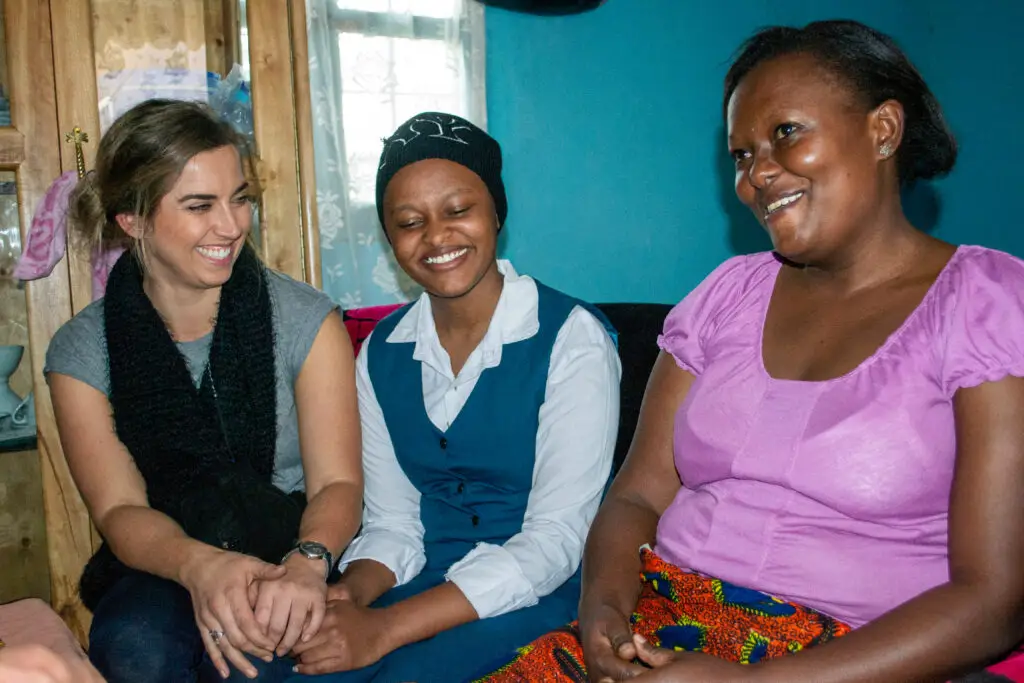
At Adventure Out Loud, we believe the most meaningful gift lasts far beyond your trip, which is why we partner with credible, verified charities to keep disadvantaged children in school. When you sponsor a child through our trusted partners like Root Cause Kwanza in Kenya or EMCS in Tanzania, you’re giving education that transforms lives for generations. AOL has vetted these organizations for transparency, community need, and long-term impact. When you sponsor a child through any of our partners charities, you receive transparent updates on their progress with academic reports, can visit their family in their village/slum, or even arrange a school visit with the charity to meet your sponsored student. AOL has partnered with Mwembe Foundation Australia to ensure every donation above $2 is tax deductible and all proceeds (except admin fee) go to the intended charities.