Best Time to Go on Safari in Africa: Month-by-Month Guide
Last updated: November 2026
The quick answer: the best time to go on safari in most of Africa is the dry season, roughly June to October. Grass is short, animals gather around water, and wildlife is easiest to spot. In East Africa, January to February is a second peak, thanks to the Great Migration’s calving season.
| Country | Best months | Why |
|---|---|---|
| Tanzania | June–October; January–February | Dry season and Mara River crossings; calving in the southern Serengeti |
| Kenya | July–October; January–February | Great Migration in the Masai Mara; short dry season |
| Botswana | June–October | Okavango Delta floods peak while the bush dries out |
| Zambia | June–October | Walking safari season; many camps close in the rains |
| Zimbabwe | July–October | Wildlife crowds Hwange’s and Mana Pools’ water sources |
| Namibia | July–October | Etosha’s waterholes are at their busiest |
| South Africa | May–October | Dry winter in Kruger and Sabi Sand; mild days |
If you’d rather avoid crowds and peak prices, the shoulder months either side of the dry season (such as June in East Africa, or May and November in southern Africa) are excellent value. Mornings and evenings on game drives can be cold in the dry season, often 10–15°C, so pack a warm jacket.
The time of year you go on safari shapes the animals you see, the crowds you share sightings with and what you’ll pay. Below is our country-by-country breakdown of the best time to visit the best safari parks in Africa.
Planning a wider trip, with gorilla trekking, Kilimanjaro or Zanzibar? See our guide to the best time to visit Africa. For month-by-month herd movements, see our Great Migration guide.
January – March
February marks the midway point of the Great Migration and is a great time to safari because it is when the wildebeest give birth – more babies equal more big cats.At this time of year, the Great Migration is in the southern Serengeti, an opportunity for prime viewing of one of the most spectacular wildlife events in the world.
While the Great Migration doesn’t occur on an exact timetable, we know that around January – February, the migration moves along the Serengeti’s eastern edge, where wildebeest will bear their young, amid grassy plains rich with nutrients. About 400,000 calves are born during this period, and they are easy prey for numerous predators, including big cats, hyenas and wild dogs, making for dramatic hunts right before your eyes! It’s the best time to go on safari and a great time of year to see all of the action while avoiding the massive crowds that descend during July – September peak season.
July – September is the best time of year to go on safari in Tanzania
The Great Migration herds begin to move north around June, and so begins the treacherous Masai River crossing in Kenya. If you’re wanting to witness the Great Migration at this time of year, the far northern Serengeti in Tanzania or the Masai Mara in Kenya are the best places to be. Waiting predators, like giant crocs, along with strong currents and steep banks that are forbidding enough to break legs, make viewing during this time chaotic and action-packed.
July to September is peak tourist season, coinciding with the European and North American summer, when most travellers can take longer trips. You can expect large crowds during this time of year and accommodation prices will also surge, often 2 – 4 times more expensive than in June. The extra cost is definitely worth it, as you witness one of the greatest natural spectacles on earth. Big cats are also easy to spot at this time of year.
Weather in Tanzania
In Tanzania, average temperatures vary from 15 – 27 from November – May and 10 – 25 from June – October. This makes for perfect safari weather.
July – September is the best time of year to go on safari in Kenya
For a different perspective of the Great Migration herds crossing the Mara River, a Kenyan safari at the beginning of July will provide a view of the daily action. Throughout August, herds begin to spread out across the Masai Mara, before crossing back over the Mara River around October before the short rains, which provide the best feeding. This is the high season, and you can expect large crowds. If you want to avoid the crowds and high prices, we recommend a late June safari.
January – March
You won’t see the Great Migration, but weather conditions for safari are great, and you can expect an abundance of wildlife in all of Kenya’s top safari parks. You can also expect crowds to be smaller than in July – September which makes for a more enjoyable experience. Prices may also be slightly lower.
Weather in Kenya
In Kenya, average daytime temperatures vary from tops of 27 in February and March to a top of 22 – 25 in July. Night temperatures vary from 8 – 12 degrees in June – October to 13 – 15 degrees for the rest of the year.
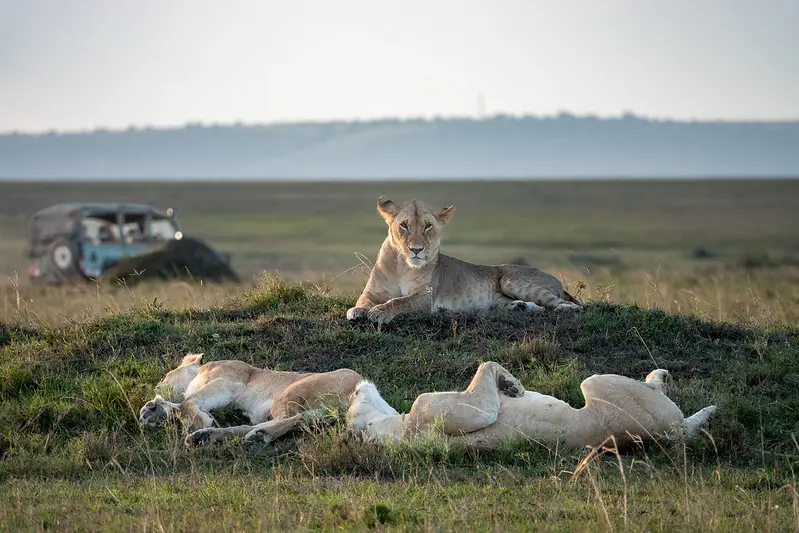
May – October is the best time of year to go on safari in Botswana
Wildlife viewing in Botswana is great year-round, but you’ll need to select the time of year you visit very carefully if you’re planning to visit the Okavango Delta. The Okavango floods from June to October, thanks to the long rains that end in April – May, so the best time to visit this area is May – October. Between May – October is Botswana’s dry season. It is also winter so you will enjoy cooler temperatures.
Weather in Botswana
Botswana weather can be very hot and humid in summer, while reaching almost 0 degrees celsius in some areas during winter. The average maximum temperature during Botswana’s hottest month, February, is 26, but the mercury often rises into the 30s.
Best Time To Go On Safari In Zimbabwe
July – October is the best time of year to go on safari in Zimbabwe
July to October is the dry season for Zimbabwe, and is peak tourist season as a result. Wildlife viewing is at its peak during this time, as many of the waterholes in the country’s game reserves dry up, driving the majority of the animals towards remaining water sources, where they congregate in massive numbers.
Weather in Zimbabwe
The weather is cooler in Zimbabwe than further north, with an average top of 23 degrees during the hottest month of November. But don’t let that fool you – humidity can make it feel a lot warmer, and it’s quite normal for daytime temperatures in summer to reach the high 20s.
Best Time To Go On Safari In Zambia
June – November is the best time of year to go on safari in Zambia
The time of year you travel to Zambia is particularly important if you’re planning to go on safari, as many safari lodges and camps only open for a six month period during June to November. Once the wet season sets in, many tour operators shut down as road conditions deteriorate. June to November is also the peak travel season across Zambia, as rainfall is very minimal, and is the most popular time to visit Victoria Falls, particulary if you want to swim in Devil’s Pool (August – January).
Weather in Zambia
Large areas of Zambia receive almost no rain between May – September. Temperatures are hottest between September – November, with maximums reaching into the low 30s and humidity building towards the onset of the rainy season. Temperatures usually range from 18 – 29 making Zambian weather magical.
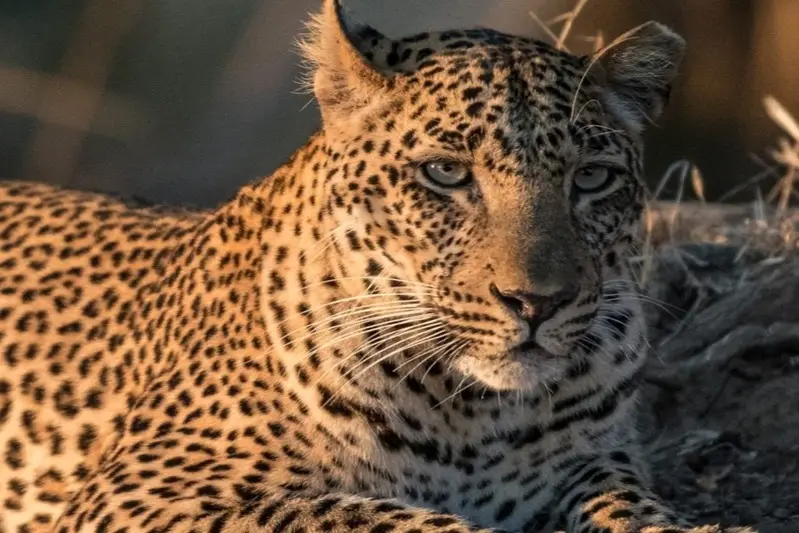
July – October is the best time of year to go on safari in Namibia
The best time of year to visit Namibia is during the dry season from July – October, although it is also the busiest for tourists. Game viewing is best during the dry season, as animals congregate around the limited waterholes that are available.
Weather in Namibia
The weather is usually mild during Namibia’s dry season, with little to no rainfall from June to August. Temperatures reach above 30 degrees celsius for much of the year and are hottest in October, when the mercury can rise above 35 degrees. Average annual temperatures range from 16 – 25 though so unless you are out in the sun in the middle of summer, you will love the weather in Namibia.
May to October is the best time to go on safari in South Africa
Game viewing in Kruger and the private reserves next door, such as Sabi Sand, is best in the dry winter. Wildlife gathers around waterholes and the bush thins out, so animals are easier to see. Days are mild and sunny, nights are cold, and malaria risk is lowest. July to September is the driest and most popular period.
The green summer, November to March, brings hotter days, afternoon storms, newborn animals and superb birdwatching, along with lower lodge rates. Malaria-free reserves in the Eastern Cape and Madikwe are good all year. Compare parks in our guide to the best safari parks in South Africa.
Weather in South Africa
July is the driest time of year in South Africa. Average temperatures in Kruger National Park usually range from 12 – 30.
Best time to go on safari: FAQs
What is the best month for an African safari?
For most of Africa, July to September. It’s the heart of the dry season, when animals gather at water and the bush is thin. In Kenya and Tanzania it’s also when the Great Migration is in the northern Serengeti and Masai Mara.
When is the best time to go on safari in South Africa?
May to October, the dry winter. Wildlife is easiest to see in Kruger and the private reserves, days are mild and malaria risk is lowest. November to March is greener and cheaper, with newborn animals.
What is the cheapest time to go on safari?
The green or rainy season, roughly November to May in East Africa (outside the Christmas and January–February peaks) and November to April in southern Africa. Many lodges drop their rates, and you’ll share sightings with fewer vehicles. Some remote camps close during the heaviest rains. See how much a safari costs.
Is the rainy season a bad time for safari?
Not necessarily. Rain usually falls in short afternoon storms, the landscapes are lush, birdlife is at its best and many animals give birth. Game is harder to spot in thick bush, and some roads become difficult, so it suits repeat visitors and photographers more than first-timers.
When can you see the Great Migration?
All year, in different places. January to March brings calving in the southern Serengeti, and July to October is river-crossing season in the northern Serengeti and Masai Mara. Our Great Migration guide tracks the herds month by month.
Ready to start planning your african safari?
Read our guide to planning an African safari, check how much a safari costs in your chosen season, or talk to one of our African safari experts. Our private, custom-built safaris are crafted around you, from secluded beach getaways and honeymoon surprises to unique lodges. Tell us your wildest adventure dreams and we’ll make them a reality.