Ultimate Guide To The Great Migration
People often ask when the Great Migration starts. Others want to know the exact day the river crossings happen.
The honest answer is simple. The migration does not follow a calendar. It follows rain, grass, and instinct.
Once that is understood, planning a Great Migration safari becomes far more enjoyable and far less stressful.
So what exactly is the Great Migration?
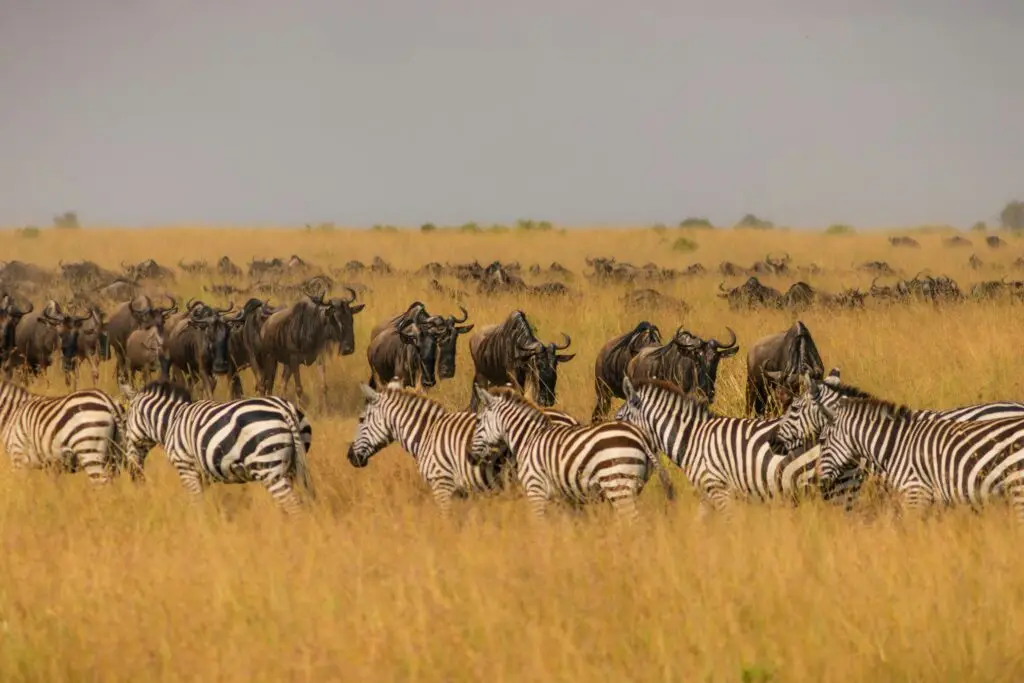
The Great Migration is a continuous movement of grazing animals across one shared ecosystem. It involves roughly one and a half million wildebeest, several hundred thousand zebras, and large numbers of gazelles.
They move in search of fresh pasture and water. Predators follow closely, which is why this journey supports one of the most complete wildlife systems left on the planet.
There is no starting line and no finish line. The animals are always moving somewhere.
Where does it take place?
The migration unfolds across northern Tanzania and south western Kenya, mainly within the Serengeti National Park and the Maasai Mara National Reserve.
Although these areas sit in different countries, they form one ecosystem. The animals move freely across the border, unaware of political boundaries.
Where are the herds during the year?
January to March | Southern Serengeti and Ndutu
This is calving season. Thousands of calves are born every day, which attracts predators and creates intense wildlife activity.
This period is excellent for seeing young animals, dramatic predator interactions, and wide open plains.
April to May | Central and Western Serengeti
The long rains begin and the herds start moving north and west. The landscape turns green and the parks are quieter.
This is a beautiful time for travellers who value atmosphere, space, and softer light.
June to July | Western Serengeti
The herds approach the Grumeti River. Some early river crossings happen here, although they receive less attention than the Mara River.
For many travellers, this is one of the most balanced times to visit.
August to October | Maasai Mara
This is when the herds usually reach Kenya. The Mara River crossings can be dramatic, but they are unpredictable.
Wildlife density is high and the open plains make for excellent game viewing.
November to December | Return south
Short rains trigger the movement back into Tanzania. The herds spread out again and the cycle continues.
This period often offers excellent value and fewer vehicles.
A word about river crossings
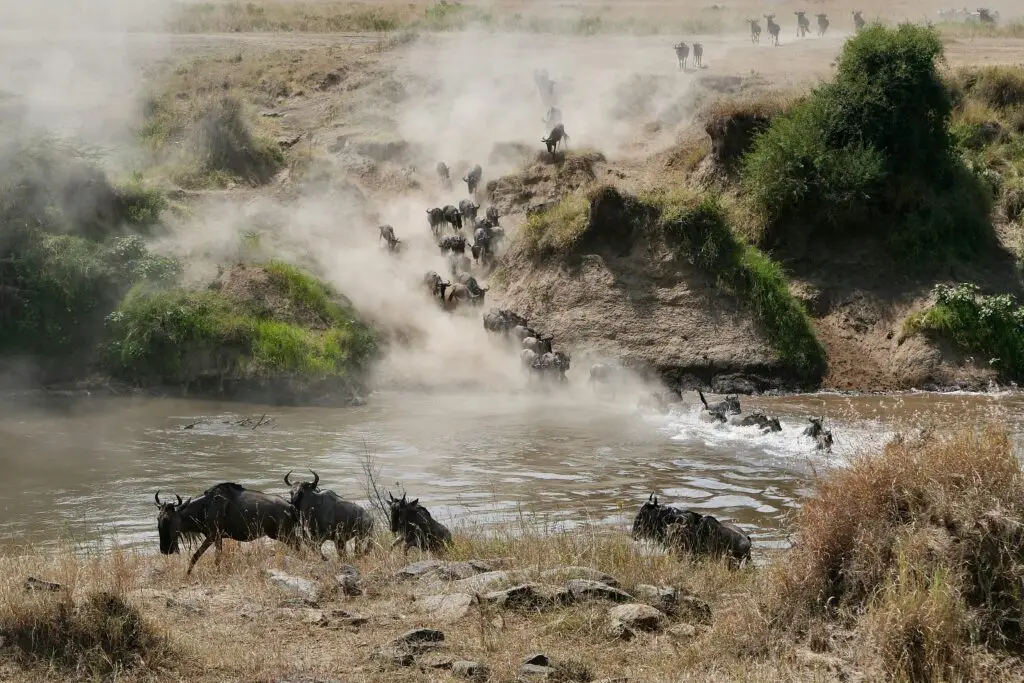
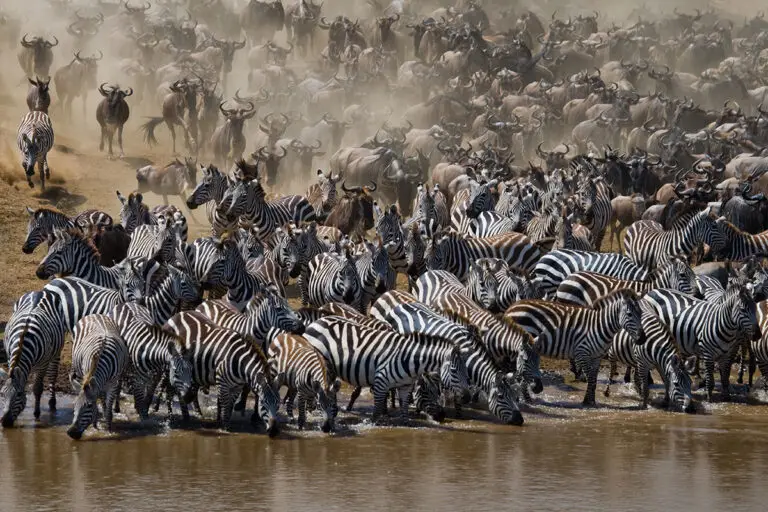
River crossings are powerful to witness, but they do not happen on command.
Animals can wait for hours or days. They may approach the river, turn back, and then suddenly cross without warning. Some days have multiple crossings. Other days have none.
The most important decision is choosing the right region and season, not chasing a specific date.
Serengeti or Maasai Mara. Which should you choose?
Serengeti
The Serengeti is vast and the migration spends more time here overall. Wildlife is more spread out, crowds are fewer, and safaris often feel slower and deeper.
This is ideal for travellers who want time and space.
Maasai Mara
The Maasai Mara is smaller, which concentrates both wildlife and visitors. The river crossings that happen here are famous for a reason, but peak months can feel busy.
This works well for shorter trips or travellers focused on peak action.
If time allows, visiting both offers the most complete understanding of the migration.
Is it still worth it without a river crossing?
Very much so.
Many travellers discover that their most memorable moments come from watching the herds move across open plains, observing predator behaviour, or simply sitting quietly as the landscape comes alive.
The scale of the migration is its true power, not just the crossings.
When is the best time to go?
- For calving and predator activity, January to March works well.
- For river crossings, August to September offers the best chance.
- For fewer crowds, April to May or November are good options.
- For flexibility, the Serengeti delivers almost year round.
Planning a meaningful Great Migration safari
At Adventure Out Loud, we believe the experience matters more than ticking boxes.
That means choosing camps based on animal movement rather than brand names, allowing enough time to slow down, and travelling with guides who understand behaviour rather than chasing moments.
It also means recognising that responsible travel and conservation go hand in hand.
Final thoughts
The Great Migration is not a performance. It is a living system shaped by rain, grass, and survival.
When experienced with patience and understanding, it changes how people see wildlife and wild places.
That is the kind of journey that stays with you.