

Africa's ancient kingdom
Ethiopia Tours
Rock-hewn churches in Lalibela, gelada monkeys in the Simien Mountains and the birthplace of coffee: Ethiopia is unlike anywhere else in Africa.
Ethiopia tours take you into 3,000 years of history and culture
Ethiopia has its own alphabet, its own calendar and a Christian tradition dating back to the 4th century. Explore churches carved from solid rock, trek through dramatic highlands and share a traditional coffee ceremony in the country where coffee began.
Our expert local guides bring Ethiopia’s history to life, from Axum’s obelisks to the castles of Gondar, and we plan every route with local partners. Every trip supports education and conservation projects across Africa.
Ethiopia fast facts
- Best time: October to March, after the rains
- Trip length: 8 to 12 days for the historic north, plus 4 to 5 days for the Simien Mountains or the south
- Festivals: Timkat in January and Meskel in late September
- Visa: Most visitors need an e-visa, applied for online before you travel. Check the rules for your passport
- Currency: Ethiopian birr
- Language: Amharic, with English spoken in tourist areas
Australian-owned · 50% of our profits fund education and conservation in Africa


Two ways to do Ethiopia
The historic north
8 to 10 days. Lalibela’s rock-hewn churches, the castles of Gondar, the monasteries of Lake Tana and the obelisks of Axum, ideally timed for the Timkat festival in January.
History and the highlands
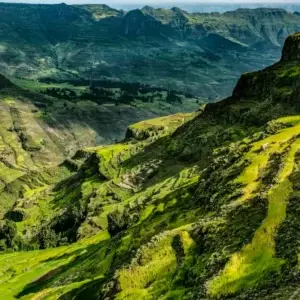
9 to 14 days. Add a trek in the Simien Mountains among gelada monkeys and sheer escarpments, or head south for coffee country and the Omo Valley.
Choose your Ethiopia trip
9 Day Timkat Festival in Gondar & Lalibela
- Addis Ababa, Gondar & Lalibela
- Best: January (Timkat)
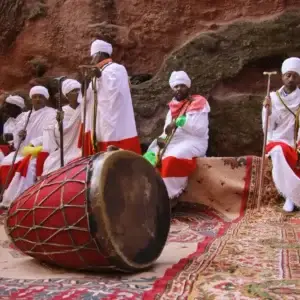
Join Ethiopia's most joyful celebration. Watch white-robed pilgrims, priests and colourful processions in Gondar and Lalibela as the country celebrates Epiphany, and explore castles and rock-hewn churches between festivities.
12 Day Ethiopia Historic North: Lalibela, Gondar & Axum
- Bahir Dar, Gondar, Axum & Lalibela
- Best: Oct - Mar
Ethiopia's classic historic circuit. Visit island monasteries on Lake Tana and the Blue Nile Falls, the castles of Gondar, the ancient stelae of Axum and the extraordinary rock-hewn churches of Lalibela.
14 Day Simien Mountains Trek & Lalibela
- Simien Mountains & Lalibela
- Best: Oct - Mar
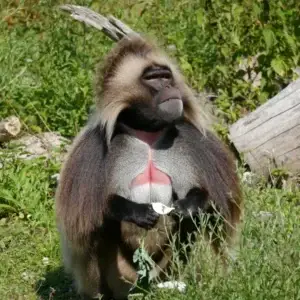
Trek for five days across the dramatic Simien escarpment among gelada monkeys and walia ibex, with local scouts and mule support, then finish among the rock-hewn churches of Lalibela.
Want different dates or a private trip? Tell us what you’re looking for and we’ll tailor an itinerary.
Where to go in Ethiopia
Ancient churches and castles in the north, mountains and volcanic landscapes in the north-east and traditional communities in the south. Here's where each region is and what it's best for.

1 Lalibela
Best for: Rock-hewn churches and Timkat celebrations
Time needed: 2 nights

2 Simien Mountains National Park
Best for: Trekking, gelada monkeys and Walia ibex
Time needed: 3 to 4 nights

3 Danakil Depression
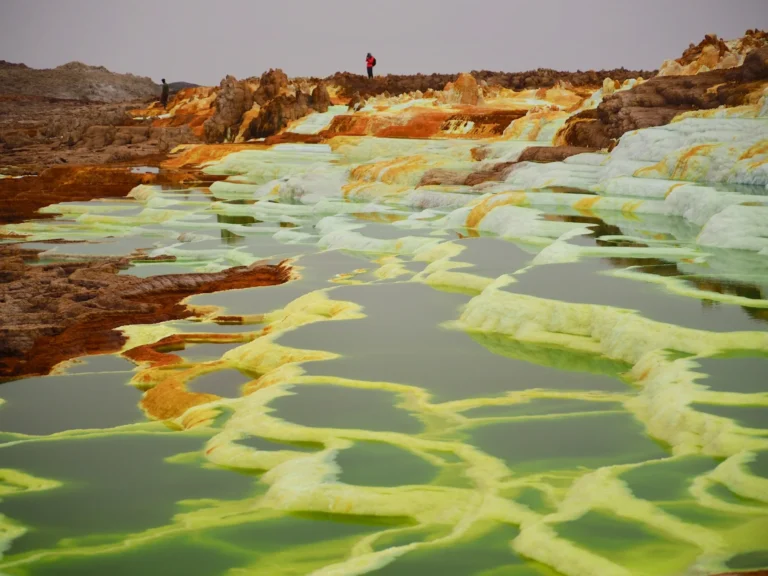
Best for: Dallol's colourful salt flats and the Erta Ale volcano
Time needed: 2 to 3 nights

4 Omo Valley
Best for: Meeting traditional communities with local guides
Time needed: 3 to 4 nights
What our travellers say
Ethiopia FAQs
What is the best time to visit Ethiopia?
October to March is the best time, after the rains when the highlands are green and the skies are clear. The main rainy season runs from June to September.
How many days do I need for an Ethiopia tour?
Allow 8 to 12 days for the historic northern circuit of Lalibela, Gondar, Axum and Lake Tana. Add four or five days for the Simien Mountains or southern Ethiopia.
Is Ethiopia safe to visit?
Safety varies by region, and some areas can be affected by unrest. We plan routes with local partners and follow current government travel advice, so please check your government's latest advice before booking.
What are Ethiopia's main festivals?
Timkat (Epiphany) in January and Meskel in late September are the most colourful festivals, with processions and celebrations across the country, especially in Lalibela and Gondar.
What is Ethiopian food like?
Ethiopian food is based on injera, a soft sourdough flatbread served with spicy stews. There are plenty of vegetarian dishes, especially on fasting days.
Talk to our team about Ethiopia
Tell us when you’d like to travel and what you’d love to see, and we’ll suggest the best way to do Ethiopia, free and with no obligation.