Kibale National Park: The Complete Guide to Chimpanzee Trekking
Why Visit Kibale National Park?
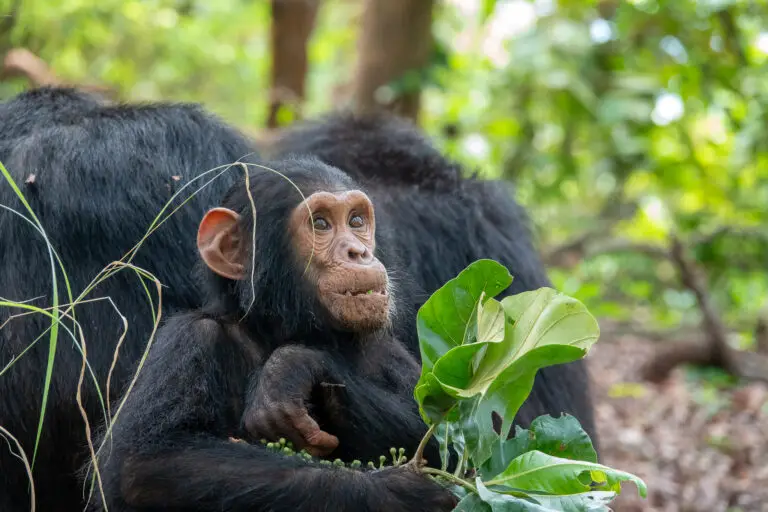
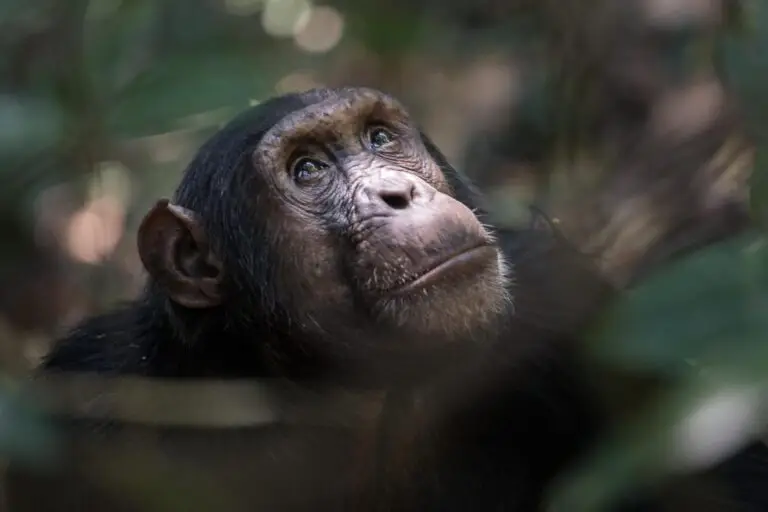
In short: Kibale National Park in western Uganda is the best place in East Africa to trek with wild chimpanzees. Its tropical forest is home to around 1,500 chimpanzees and 13 primate species, and chimp sightings on a guided trek are very likely. Most visitors spend one or two nights near Fort Portal, then continue to Queen Elizabeth National Park and Bwindi for gorillas.
Kibale protects around 795 km² of moist evergreen and semi-deciduous forest, with patches of grassland and swamp. As well as chimpanzees, look for red colobus, black-and-white colobus, L’Hoest’s monkeys and grey-cheeked mangabeys, plus more than 350 bird species. Forest elephants live here too, though they are rarely seen.
Chimpanzee Trekking in Kibale
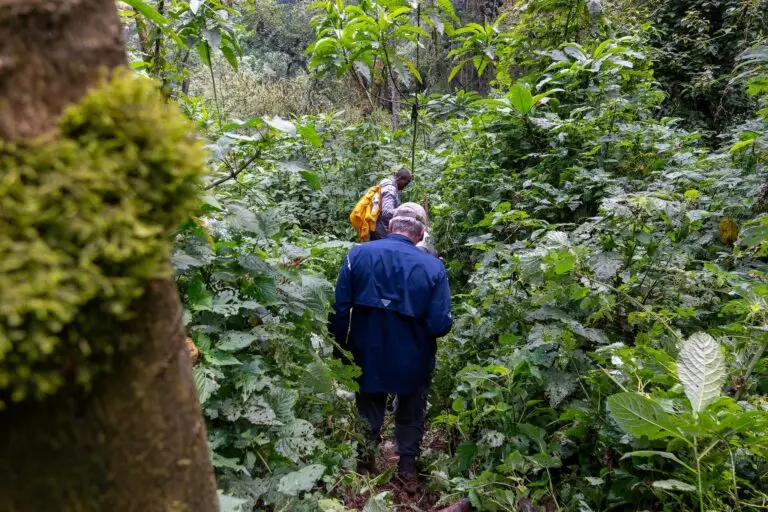
Treks leave from the Kanyanchu visitor centre in the morning and early afternoon. After a briefing, small groups of up to eight walk into the forest with a Uganda Wildlife Authority ranger, following trails and listening for the chimps’ pant-hoots and drumming on tree buttresses.
Finding the chimps can take anywhere from 30 minutes to a few hours. Once you find them, you spend one hour watching them feed, groom, play and call, sometimes on the ground and sometimes high in the fig trees. Expect the whole activity to take 2 to 5 hours. Trails are mostly flat but can be muddy, and the chimps move fast, so be ready to walk briskly off-trail at times.
The Chimpanzee Habituation Experience
For a deeper encounter, the Chimpanzee Habituation Experience lets you spend most of a day with a chimp community that is still getting used to people, alongside researchers and trackers. You head out at dawn to see the chimps leave their night nests, then follow them until late afternoon. Numbers are small and it’s ideal for photographers and anyone who wants to understand chimp behaviour, not just see it.
Kibale Chimpanzee Permit Costs
Permits are issued by the Uganda Wildlife Authority (UWA) and include park entry for the day. Under the current tariff, a chimpanzee trekking permit costs US$250 for foreign non-residents and the habituation experience costs US$300. UWA reviews its rates regularly, so we confirm the current price when you book. Permits are limited, so book early for June to September and December to February.
The minimum age for chimp trekking is 12. For more on how chimp and gorilla permits compare, read gorilla or chimp trekking: which is better?
Best Time to Visit Kibale
You can trek with chimpanzees in Kibale all year. The drier months, June to September and December to February, make the trails easier and are the most popular. The wetter months of March to May and October to November bring muddier trails but fewer visitors, lush forest and plenty of fruit, which can keep the chimps feeding in one area. See our guide to the best time for gorilla and chimp trekking.
What to Wear and Bring
- Long trousers and a long-sleeved shirt in muted colours, to protect against nettles and biting ants
- Waterproof hiking boots and gaiters, or socks tucked into trousers
- A light rain jacket, even in the dry season
- Gardening gloves for grabbing vines
- Insect repellent, water and a snack
- A camera with a fast lens; flash photography isn’t allowed
Our full gorilla and chimp trekking packing list has everything you need, and our chimp trekking tips cover the rules on the trail.
Other Things to Do Around Kibale
- Bigodi Wetland Sanctuary: a community-run swamp walk just outside the park, excellent for primates and birds, including the great blue turaco
- The crater lakes near Fort Portal: scenic walks and viewpoints over dozens of volcanic crater lakes
- Night forest walks: look for bushbabies, pottos and nocturnal insects
- Village and tea plantation visits: meet local communities around the forest edge
Other Places to See Chimpanzees in Uganda
Kibale has the most chimpanzees and the best sighting rates, but Uganda has several other chimp forests that fit neatly into a wider safari:
- Kyambura Gorge, Queen Elizabeth National Park: a sunken rainforest gorge cutting through the savannah, home to a small chimpanzee community. Sightings are less reliable than in Kibale, but the setting is spectacular and it’s easy to add to a Queen Elizabeth safari.
- Budongo Forest, Murchison Falls: a large mahogany forest on the southern edge of Murchison Falls National Park, with chimp trekking from Kaniyo Pabidi. A good choice if your trip heads north to the falls.
- Kalinzu Forest: a community-managed forest reserve close to Queen Elizabeth National Park, with good chimp sighting rates and fewer visitors.
Compare all of these with Rwanda and Tanzania in our guide to the best places to see chimps in the wild, or see our chimpanzee trekking tours.
Combine Kibale With Gorillas and a Safari
Kibale sits on the classic western Uganda circuit, a few hours from Queen Elizabeth National Park and around a day’s drive from Bwindi, so it’s easy to see chimps, gorillas and tree-climbing lions on one trip. These tours include chimp trekking in Kibale:
- 8 Day Uganda Gorilla, Chimp & Safari Adventure
- 17 Day Best of Uganda & Rwanda Adventure
- 16 Day Gorillas, Chimps, Safari & Whale Sharks Adventure
Comparing parks? Read about the best places to see chimps in the wild, or see our chimpanzee trekking tours.
Kibale National Park FAQs
Where is Kibale National Park?
Kibale is in western Uganda, about 25 km south-east of Fort Portal and roughly 5 to 6 hours’ drive from Kampala or Entebbe. The nearest airstrip for scheduled light-aircraft flights is at Kasese.
How likely am I to see chimpanzees in Kibale?
Very likely. Kibale’s habituated chimp communities are tracked daily, and success rates on a standard trek are well over 90%, though sightings in the wild are never guaranteed.
How much does chimp trekking in Kibale cost?
Under the current Uganda Wildlife Authority tariff, a chimpanzee trekking permit costs US$250 for foreign non-residents and the full-day habituation experience costs US$300. We confirm the latest rate when you book.
How fit do I need to be for chimp trekking?
A moderate level of fitness is enough. Trails are mostly flat, but they can be muddy and you may need to move quickly through undergrowth when the chimps travel. Treks usually last 2 to 5 hours in total.
Is Kibale or Gombe better for chimpanzee trekking?
Kibale is easier to reach and combines well with gorillas and a safari in Uganda. Gombe in Tanzania is more remote, reached by boat on Lake Tanganyika, and is famous for Jane Goodall’s research. Read our Gombe National Park guide to compare.
Plan Your Kibale Chimp Trek
Tell us when you’d like to travel and we’ll secure your chimp permits and build Kibale into a Uganda trip that suits you.