African Safari Packing List: What to Pack and Wear on Safari
Last updated: November 2026
Packing for an African safari is easier than you think. You need comfortable neutral clothes, layers for chilly early-morning game drives, good sun protection and a soft bag that fits light-aircraft limits. This list covers everything, with the essentials first.
The quick list:
- 4–6 neutral-coloured outfits (khaki, olive, tan), including long sleeves and long pants
- A warm fleece or down jacket, plus a beanie and gloves for June–August
- A light rain jacket in the green season
- Comfortable closed shoes and sandals
- Wide-brimmed hat, sunglasses, sunscreen and insect repellent
- Binoculars and a camera with a zoom lens
- A soft-sided duffel bag (no wheels or hard frames)
- Passport, visas, travel insurance and any malaria medication
Flying between camps? Light aircraft usually limit you to about 15–20 kg per person, including hand luggage, in a soft bag. Check your exact limit before you pack.
If you’re travelling with us, we can recommend reliable brands for any gear you need, and some of our suppliers offer discounts to our customers. Combining your safari with gorillas? See our gorilla trekking packing list too.
CLOTHING
- 4–6 safari outfits (pants, shirts, skirts and so on)
One of the great things about safari is that you don’t need to dress up. You can buy a stylish safari suit or new outdoor gear, but you probably already own most of what you need. Our favourite safari outfit is lightweight pants (or a long skirt) and a long-sleeved shirt.
Choose neutral colours like khaki, olive, tan and grey. Tsetse flies, found in some parks such as Tarangire, are attracted to dark blue and black, and bright colours and white stand out to wildlife and show the dust. Long sleeves protect you from the sun and insects.
Many parts of Africa are fairly conservative, so clothes that cover your shoulders and knees are respectful in towns, villages and at religious sites. Pack at least one long skirt, dress or pair of loose trousers for these visits. Your guide will tell you if a visit calls for anything specific.
- 1 – 2 pairs of smart casual dinner clothing
It’s nice to have something fresh and clean to change into at the end of the day and I recommend 1 – 2 smart casual dinner outfits. Remember that temperatures can drop quite significantly once the sun goes down during your safari, so plan your evening outfits accordingly. Long clothing is also advisable for insect protection.
COLD WEAR
- 1 – 2 sweaters, jackets or jumpers
Mornings can be chilly on safari, especially if you are leaving early for a dawn-safari. Something water and wind resistant is a great way to go, especially if you’re going at a time of year when you might experience some wet weather. My favourite is wearing a wind-breaker jacket over a small down jacket or fleece jumper, and then a scarf around my neck.
- Rain jacket, poncho or umbrella
A good quality, breathable rain jacket like a Goretex is a great investment for a trip to Africa, especially if you’re going at a time of year when it might rain. Ensure there is ventilation in your jacket, so that you don’t get too hot and sweaty while wearing it. An umbrella is a good addition, but should not be packed instead of a rain jacket as umbrellas have limited useability in off-the-beaten-track locations like Africa. They can be useful at your safari lodge, although most safari lodges will provide umbrellas.
- 1 thermal layer, gloves and beanie
If you know you’re the type of person that gets cold, a top and bottom thermal layer is the way to go! You may also want a pair of gloves and a beanie.
FOOTWEAR
- Shoes or boots
If you’re planning on doing a longer walking safari, you will want a pair of runners or may even want to invest in a pair of hiking boots. If you buy a pair of boots, make sure you get these professionally fitted. Also, if you’re adding a Kilijmanjaro trek to your safari, make sure that you purchase waterproof boots, especially for trekking purposes. There’s nothing worse than walking around with soggy feet, or knowing that your shoes haven’t dried overnight and that you’ll have to put them on wet in the morning!
- Sandals or flip flops
Sandals are good to accompany with your dinner outfit for something a little lighter. You may wish to wear flip flops when you’re taking a bucket shower while out on a mobile safari. If this is the case, rubber shoes are best.
- Socks
Make sure you try your walking shoes on with your socks before you depart for your trip. This will ensure that your socks aren’t so thick that your shoes become tight, and that your socks are not so thin that they fail to protect your feet from blisters. Some woollen socks for night time are a good addition to your luggage if you know you’ll be in locations that get cold in the evenings.
BAGS
- Hiking pack or a soft-shell suitcase to leave at the hotel with unnecessary gear
It is important that your bag is not too large, particularly if you are in a group or if you ar flying in or out of your safari destination. All baggage needs to fit into the boot of your jeep, so the bigger your group, the smaller your luggage needs to be. Best to have a soft-shell bag that can squeeze into smaller spaces and weighs no more than 15kg. Also, remember not to pack valuables like electronic equipment in the back, you should keep these on you, as the bumpy roads may cause them to malfunction.
If you are flying, it is a good idea to bring a larger suitcase that you can leave at your base hotel, and a smaller suitcase that you can pack your safari clothes in. The maximum you can take on smaller planes is 15kg per person.
If you’re planning to bring a backpack, make sure it is properly fitted to reduce the strain on your body when you’re carrying it around. Your guide can help you with this. You can also get your pack fitted for you when you buy it.
- Carry on duffel, backpack or suitcase for safari gear
A carry on size bag will come in handy for all those things you’ll need to take out in the field with you. This should include your camera, sunscreen, a jumper, water at a minimum.
SPENDING MONEY
- US$50/day per person cash to buy souvenirs, visas, drinks and tips
Remember that many local shops and markets across Africa prefer to be paid in US dollars, instead of local currency, and most will not accept credit card. We recommend having USD cash currency with you prior to arriving in Africa. If you are planning to shop in local shops or markets, your guide can help you exchange this in to local currency where needed. If you know you are a shopper, you might want to bring a little more.
If you are shopping in larger tourist shops, or paying for drinks and souvenirs from your safari lodge, you should be able to pay using a credit card, but you may incur additional fees.
- A card with no foreign transaction fees
Bring a credit or debit card that doesn’t charge foreign transaction or overseas ATM fees, plus a backup card kept separately. Visa and Mastercard are the most widely accepted; Amex is often not. Lodges and larger shops take cards, but you’ll want US dollars in cash for tips and small purchases. Let your bank know you’re travelling.
OTHER
- Passport
Ensure that your passport is valid for at least 6 months. Some countries state this as a requirement for entry.
- 1L re-usable water bottle
Nalgene bottles in particular are very handy, as they are light, durable and you can heat or cool them if you need to. Adventure Out Loud does not support the use of single-use bottles, and we provide large water bottles that you can refill from. Beware, if you bring single-use bottles on one of our trips, we will charge you a $5/day penalty per bottle. This fee goes to charity.
- Travel adapter
Different countries in Africa require different travel adapters. Depending on where you’re coming from, you may also need to bring a voltage adapter to protect your devices. See the helpful table below:
| Country | Plug types | Voltage |
|---|---|---|
| Tanzania | D, G | 230 V, 50 Hz |
| Kenya | G | 240 V, 50 Hz |
| Botswana | D, G, M | 230 V, 50 Hz |
| Zambia | C, D, G | 230 V, 50 Hz |
| Zimbabwe | D, G | 220 V, 50 Hz |
| Namibia | D, M | 220 V, 50 Hz |
| South Africa | C, D, M, N | 230 V, 50 Hz |
Many remote camps run on solar power with limited charging, often only in the main area. Bring a power bank.
- Swimmers and travel towel
If you are staying at a mid-range or luxury safari lodge, towels will be provided for use at the pool. If you are staying at a budget option, a portable, quick dry travel towel can pack down to a small size so that it doesn’t take up too much space in your luggage. Invest in a microfibre towel to ensure that it will dry quickly.
- Sun hat and fly protection hat
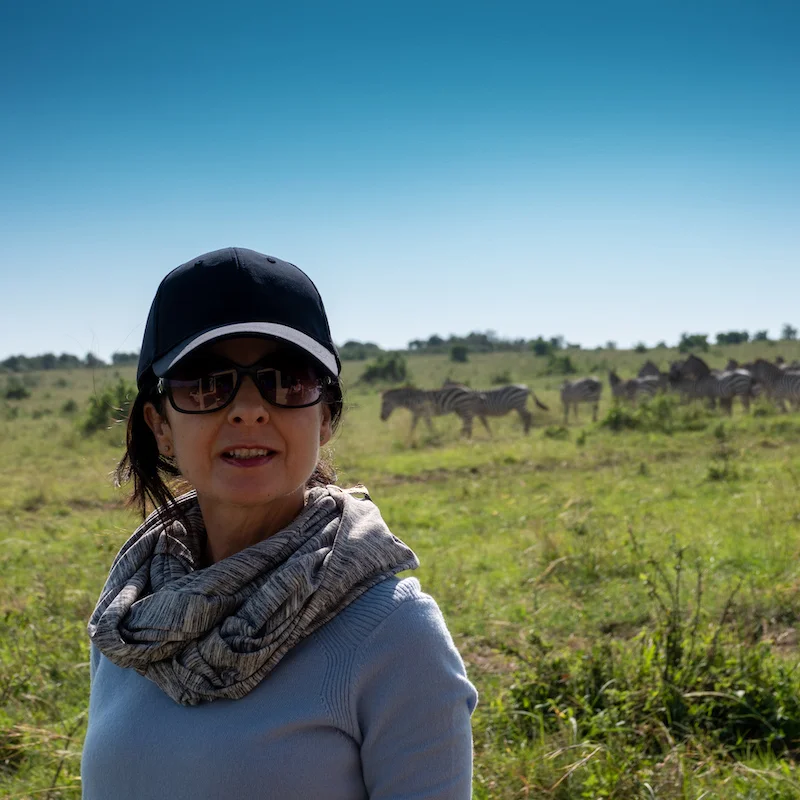
A hat is a must-have on safari, and bringing one with fly protection/netting is a wise addition to your safari kit, particularly if you are visiting during the Great Migration. You can find hats with easily removable fly barriers.
- Sunglasses, eyeglasses, contacts and solution
Eye protection is important, as the glare from the sun while you’re on safari can be extreme. If you wear glasses, make sure you bring a spare pair, just in case. Bring plenty of spare contact lenses if you wear them, too.
- Toilet paper
Just in case! You can add this to your “toilet kit”.
- Toiletries, medications, sanitary products, hand sanitiser and sunscreen
You will know what you personally need to bring for this section. Make sure you have more than enough of any medication you take on a regular basis, and speak with your doctor for any additional tips about how to store or pack medication whilst on safari. It is also a good idea to get a letter from your doctor outlining your medication so that it isn’t taken off you during a customs search.
- Energy bars, nuts and snacks
Some extra snacks never go astray, but make sure you check with your guide before packing them for your game walk or drive – they may need to be stored in a specific way so as not to attract curious and hungry wildlife!
- Insect repellent
Essential. You may wish to bring a repellent with deet. Chat to your doctor or pharmacist about this for safe recommendations.
OPTIONAL
- Ear plugs
This is recommended for anyone who is a light sleeper, especially if you’re planning to go on a mobile safari and sleep in tents. When nothing but the walls of a tent separate you from a snorer, you might be glad of your ear plugs! This is less of a concern if you are staying in mid-range and luxury accommodation, where luxury cottages, rooms or safari tents are well spaced for optimal privacy. Regardless, it is common to be woken up by a lion roaring or an elephant trumpeting.
- Portable battery to recharge your phone
Look for a portable battery that is light and has plenty of recharge capacity. Don’t forget to bring the cord to recharge your recharger! Power is available at all safari camps & lodges so this is only necessary during the day. If you are on a mid-range or luxury safari, most safari jeeps will have a charging station.
- Camera
When you take your camera on a game drive, best to bring a strap so that you can place it around your neck, or carry it on your lap. Large bumps on your drive may cause your devices to stop working! It is also a good idea to have at least a 300mm lense. You will get very close to the animals, but without a good zoom, your pictures will not look very impressive. Ideally, we recommend a 600mm lense.
- Reading book or playing cards
There is often enough time to relax by the pool or in a hammock with a good book. Alternatively, you can make friends with other travellers by bringing a game or a deck of cards.
Safari packing FAQs
What should you not wear on an African safari?
Avoid bright colours and white, which stand out to wildlife and show the dust, and dark blue and black in areas with tsetse flies. Camouflage clothing is best left at home, as it’s associated with the military and is restricted in some African countries.
What kind of bag should I take on safari?
A soft-sided duffel bag without wheels or a rigid frame. Light aircraft that fly between camps usually limit luggage to about 15–20 kg per person, and pilots need to squeeze bags into small holds. Bring a small daypack for game drives.
Do I need binoculars on safari?
Yes. A good pair (8×42 or 10×42 is ideal) makes a huge difference for spotting leopards in trees, birds and distant animals. Many guides carry a pair, but sharing gets frustrating. Bring one pair per person if you can.
How cold does it get on safari?
Colder than most people expect. On early-morning and evening game drives in open vehicles between June and August, temperatures can drop to around 5–10°C in southern Africa and the East African highlands. Pack a warm jacket, beanie and gloves.
Can I do laundry on safari?
Most lodges and camps offer laundry, often included in the rate, so you can pack lighter. Some camps don’t wash underwear for cultural reasons, so bring a little travel wash.
Ready to start planning your african safari?
See our African safari tours, read our guide to planning an African safari, or book a consultation with one of our Africa experts to start planning.