Food on Kilimanjaro: What to Eat, Drink & Expect on Africa’s Highest Peak
You’ve just arrived at camp after six hours on the trail. Your legs are tired, your lungs are working harder than usual, and the altitude has made everything feel just a little more difficult.
Then you smell it.
Something warm and savoury is coming from the kitchen tent. Maybe it’s pumpkin soup, freshly baked bread or a spicy stew. Suddenly, dinner is the best thing you’ve thought about all day.
For many climbers, food on Kilimanjaro is one of the biggest surprises of the entire experience.
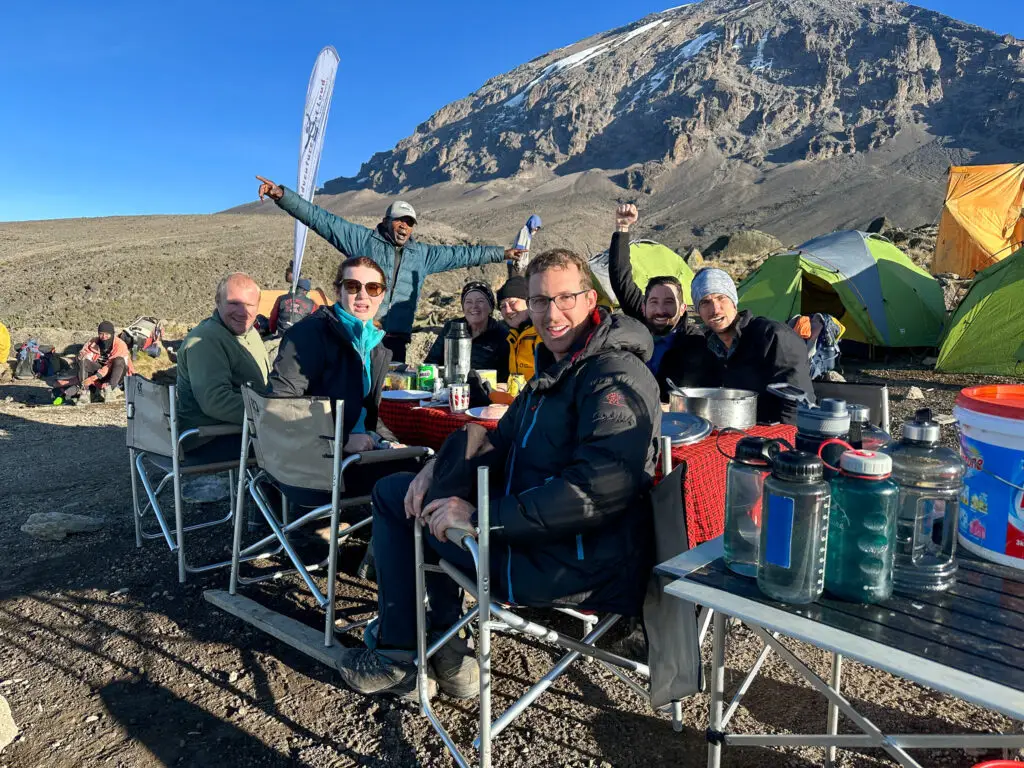
You might picture freeze-dried meals, protein bars and basic camping food. In reality, a well-run Kilimanjaro climb can involve three proper meals a day, afternoon tea, fresh fruit, hot drinks and even multi-course dinners, all prepared by a dedicated mountain chef.
Of course, eating at 4,000 metres is different from eating at home. Your appetite may change, your body is working harder, and summit night brings its own challenges.
So what do you actually eat on Kilimanjaro? How much should you drink? What snacks should you bring? And can your operator cater for vegetarian, vegan, gluten-free or halal diets?
Here’s everything you need to know about food, hydration and nutrition on Kilimanjaro.
What Food Is Served on Kilimanjaro?
On a typical guided Kilimanjaro climb, you’ll have three main meals each day, along with afternoon tea and snacks. The exact menu varies between operators and routes, but meals generally focus on carbohydrates, protein, fruit and vegetables.
Carbohydrates are particularly useful during long days of trekking because they provide readily available energy. That’s why rice, pasta, potatoes, bread and porridge feature heavily on many Kilimanjaro menus.
Breakfast
Breakfast is usually served hot in the mess tent before you start hiking.
Expect a hearty spread such as:
Porridge made from oats, millet or maize
Eggs, prepared scrambled, fried, boiled or as an omelette
Toast or bread with butter, jam, honey or peanut butter
Pancakes or French toast
Sausages or other breakfast proteins
Fresh fruit such as bananas, mango, pineapple or watermelon
Tea, coffee, hot chocolate, Milo or juice
Breakfast is an important opportunity to fuel up before a long day on the trail. Even if your appetite starts to decrease as you gain altitude, try to eat something before setting off.
Lunch
Lunch depends on the day’s itinerary.
On longer trekking days, you’ll usually have a packed lunch that you can eat along the trail. Depending on the operator, this might include:
Sandwiches
Boiled eggs
Chicken or other protein
Samosas
Fruit
Biscuits
Cake or a small sweet treat
Juice
On shorter days, you may return to camp for a hot lunch, which could include soup, rice or pasta, vegetables, chapati and a meat or vegetable stew.
Afternoon Tea
One of the great pleasures of a Kilimanjaro climb is arriving at camp and finding a hot drink waiting for you.
Afternoon tea often includes:
Tea, coffee or hot chocolate
Popcorn
Biscuits
Peanuts
Cake
Fresh fruit
After several hours of walking, something as simple as a cup of hot tea can feel like a luxury.
It also gives you an opportunity to replace some of the calories and fluids you’ve used during the day.
Dinner
Dinner is often the biggest meal of the day and can be surprisingly substantial.
A typical dinner might look something like:
Starter: Vegetable, pumpkin, tomato or lentil soup
Main course: Rice, pasta or potatoes with chicken, beef, fish or vegetables
Side dishes: Cooked vegetables, salad, chapati or another local accompaniment
Dessert: Fresh fruit, cake, pancakes, banana fritters or pudding
Some operators also incorporate Tanzanian dishes into the menu, giving you the chance to experience local flavours while you climb.
Mealtime is a highlight on the mountain, and the variety of food on Kilimanjaro can elevate your trekking experience.
What Do You Eat on Summit Night?
Summit night is different.
You’ll normally wake around 11 PM, get dressed in several layers and have a quick meal before beginning the climb towards Uhuru Peak around midnight.
This is not the time for an elaborate dinner. You want food that is familiar, easy to eat and relatively easy to digest.
Your pre-summit meal might include:
Porridge
Toast with honey or jam
Biscuits
Bananas or other fruit
Hot tea
Hot chocolate or coffee
You may not feel particularly hungry. That’s normal. But having something in your stomach before beginning the summit push can help give you energy for the hours ahead.
During the summit climb itself, personal snacks become particularly important.
Temperatures can drop well below freezing, and some foods become extremely difficult to eat when they turn rock hard. Chocolate and some protein bars, for example, can become difficult to bite.
Better summit-night options include:
Energy gels
Gummy sweets
Dried fruit
Soft biscuits
Chews
Peanut butter sachets
A thermos of warm, sweet tea
Keep snacks somewhere close to your body, such as an inside jacket pocket, to reduce the chance of them freezing.
Understanding the types of food on Kilimanjaro can help you better prepare for your adventure.
The energy you gain from food on Kilimanjaro is essential as you tackle the challenges of the trek.
The Mountain Chef: The Unsung Hero of Your Climb
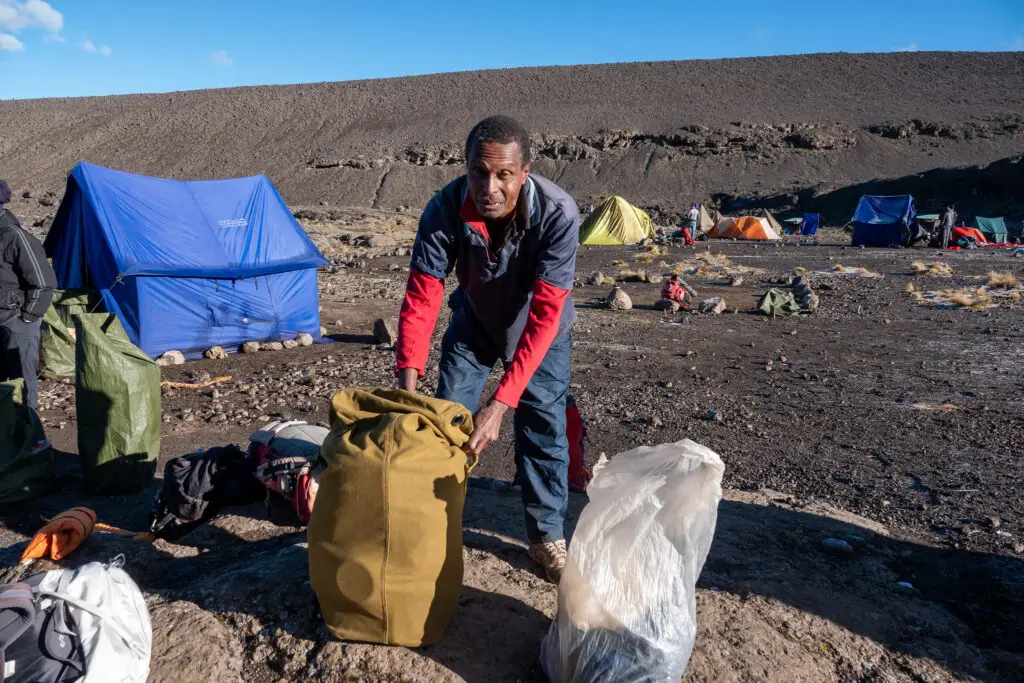
Your mountain chef may be one of the most important members of your Kilimanjaro crew, even though you’ll probably spend very little time thinking about them.
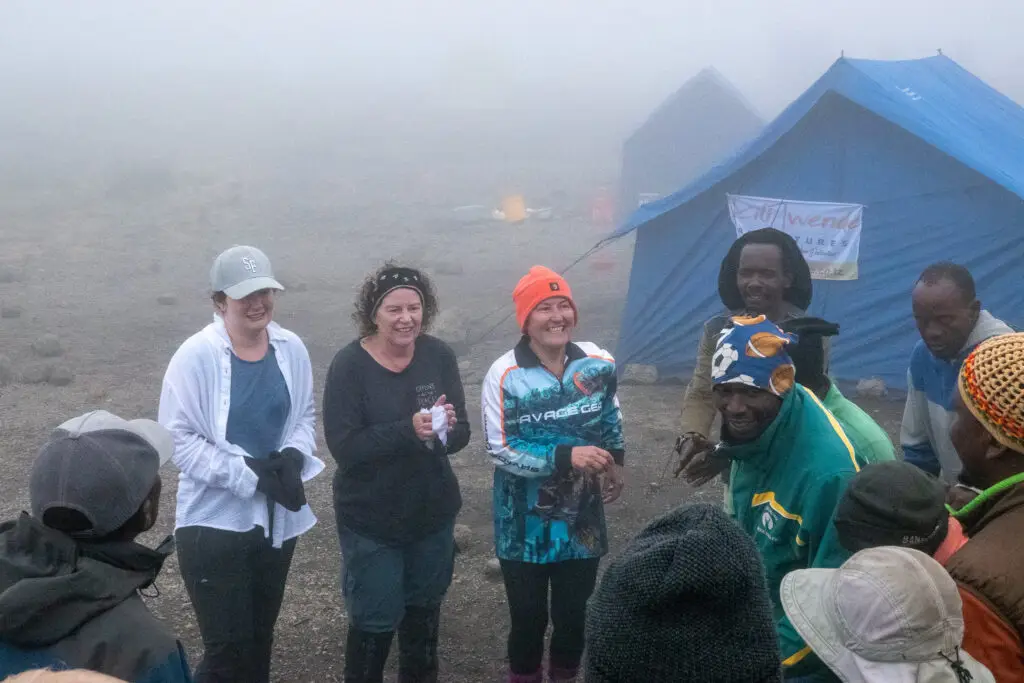
While you’re walking the trail, the kitchen team is working just as hard to make sure there is food waiting when you arrive.
A typical day can involve preparing breakfast before sunrise, organising packed lunches, getting ahead to the next camp and preparing afternoon tea and dinner.
And remember, the kitchen equipment and ingredients have to reach the mountain too.
A good mountain chef also understands how to cook in challenging conditions. At high altitude, water boils at a lower temperature than it does at sea level, which affects cooking times and requires some adaptation.
The result can be remarkably impressive: a hot, fresh meal served in a tent several thousand metres above sea level.
It’s one of those details that makes you appreciate just how much work goes into a Kilimanjaro expedition.
How Many Calories Do You Burn on Kilimanjaro?
A Kilimanjaro trek is physically demanding.
Long days of walking, steep terrain, cold temperatures and altitude all increase the demands placed on your body. Depending on your body size, pace, route and the day’s activity, your energy expenditure can be considerably higher than on a normal day.
That’s why Kilimanjaro meals tend to be filling and carbohydrate-rich.
Rice, pasta, potatoes, porridge, bread and fruit provide accessible sources of energy, while eggs, meat, beans and other proteins help support muscle recovery.
You shouldn’t become too focused on counting every calorie, however. Your main goal is to eat consistently and listen to your guide and body, particularly if altitude is affecting your appetite.
Why Does Altitude Affect Your Appetite?
One of the frustrating things about climbing Kilimanjaro is that your body can need plenty of energy at exactly the time you feel least interested in food.
As you ascend, altitude can affect digestion and appetite. Nausea, bloating and changes in taste are common among trekkers, particularly at higher elevations.
That creates a simple problem:
You need fuel, but you may not feel like eating.
This is why experienced guides often encourage climbers to eat small amounts regularly rather than waiting until they feel hungry.
If a full meal feels difficult, try smaller portions throughout the day. Soup, porridge, fruit, bread, tea and other easily tolerated foods can sometimes be easier to manage than a large meal.
And if you’re experiencing significant nausea, vomiting, severe headache, confusion or other symptoms of altitude illness, tell your guide. Don’t assume it is simply a lack of appetite.
Dietary Requirements on Kilimanjaro
Vegetarian? Vegan? Gluten-free? Halal?
In most cases, dietary requirements can be accommodated on Kilimanjaro, particularly when you tell your operator well in advance.
The important part is communication.
Tell your operator about your dietary requirements when you book and confirm them again during your pre-climb briefing.
Vegetarian and Vegan Food
Vegetarian meals are widely available, while vegan meals can also be arranged by experienced operators.
Tanzanian cuisine offers plenty of naturally plant-based foods, including:
Beans and lentils
Rice
Vegetables
Potatoes and sweet potatoes
Chapati
Ugali
Fruit
Vegetable curries
If you follow a vegan diet, it can also be useful to bring some of your favourite protein-rich snacks from home.
Gluten-Free Food
Gluten-free meals can generally be arranged with advance notice.
Rice, potatoes, sweet potatoes, maize-based ugali, eggs, meat, fruit and vegetables can all form part of a gluten-free menu.
If you have coeliac disease or a severe allergy, discuss cross-contamination and food preparation with your operator before booking rather than assuming a meal will be safe.
Halal and Other Dietary Requirements
Many reputable operators can cater for halal diets, as well as requirements such as dairy-free, nut-free and kosher diets.
For strict or highly specialised dietary requirements, speak directly with your operator before your climb so there is enough time to plan and source the right ingredients.
Being aware of dietary needs when planning for food on Kilimanjaro can ensure a more enjoyable trek.
Hydration on Kilimanjaro: How Much Water Should You Drink?
Staying hydrated is an important part of trekking at altitude.
You’ll lose fluids through breathing, especially in the cold, dry mountain air, and you may not always notice how much you’re drinking while hiking.
As a general guide, many climbers aim for around 3 to 5 litres of fluid per day, depending on conditions, exertion and individual needs. This includes water as well as fluids from soup, tea and other drinks.
Rather than waiting until you feel extremely thirsty, take regular small sips throughout the day.
Your guide can also help you judge how much you need based on the conditions and your activity level.
Where Does Kilimanjaro Drinking Water Come From?
Water used on the mountain is collected from appropriate sources and should be treated before you drink it.
Your operator may boil, filter or chemically treat water depending on their system.
Never drink directly from mountain streams or springs unless the water has been properly treated.
Single-use plastic bottles are also not permitted on Kilimanjaro, so bring reusable bottles or a hydration system.
What About Electrolytes?
Electrolyte tablets or powders can be useful, particularly if you’re sweating heavily or spending long days on the trail.
They are not a substitute for water, but they can help replace electrolytes lost through sweat.
Summit Night Hydration
There is another problem on summit night: freezing temperatures.
Hydration bladder tubes can freeze in extremely cold conditions, making it difficult to drink.
Carry a wide-mouth insulated bottle as a backup and keep it protected inside your pack. Some climbers also carry a thermos of warm tea, which can be especially welcome during the summit push.
Your hydration strategy plays a key role in how effectively you enjoy food on Kilimanjaro.
What Snacks Should You Bring on Kilimanjaro?
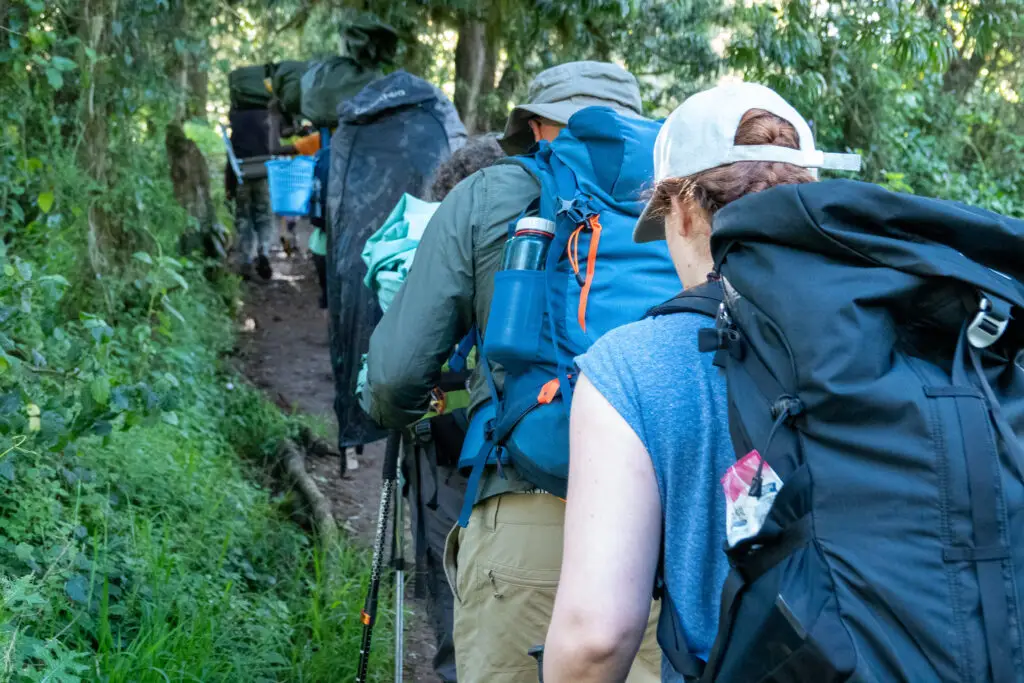
Your operator should provide your main meals, but bringing personal snacks is strongly recommended.
The best snacks are foods you already know you enjoy.
At altitude, your appetite can change, and something you normally love may suddenly become completely unappealing. Having several options gives you a better chance of finding something you actually want to eat.
Good choices include:
Energy bars
Soft protein bars
Trail mix
Nuts
Dried fruit
Gummy sweets
Energy gels
Biscuits
Jerky or biltong
Peanut butter sachets
Electrolyte tablets
For summit night, choose foods that remain reasonably easy to eat in freezing temperatures.
Snacks to Think Twice About
Some foods are less useful on summit night.
Hard chocolate bars and very firm protein bars can become difficult to eat when frozen. Heavy, greasy foods may also be uncomfortable if your stomach is already unsettled.
And summit night is not the time to experiment with a new supplement or unfamiliar food.
Bring foods you have tried before.
Bringing personal snacks enhances your experience with food on Kilimanjaro, as these provide comfort and energy.
What Tanzanian Food Might You Eat on Kilimanjaro?
One of the best things about eating on Kilimanjaro is that the menu can be a mix of international comfort food and local Tanzanian dishes.
Keep an eye out for:
Ugali: A firm maize-based staple commonly eaten with stews and vegetables.
Chapati: A soft, unleavened flatbread that is popular throughout Tanzania and East Africa.
Pilau: Fragrant spiced rice traditionally prepared with ingredients such as cardamom, cloves and cinnamon.
Mandazi: Lightly sweetened fried dough, often enjoyed with tea.
Samosas: Fried pastry parcels filled with vegetables or meat.
Matoke: A dish made from green bananas and commonly associated with East African cuisine.
Chai: Strong, milky tea that is a staple across Tanzania.
Food is more than fuel on Kilimanjaro. It can also be one of your connections to the people and culture of the mountain.
The Chagga communities who live around Kilimanjaro have a long history with the mountain and its surrounding landscape. Sharing local food is one small way to experience that culture beyond the trail.
Sampling local dishes is one of the joys of experiencing food on Kilimanjaro.
Food on Kilimanjaro is not only about sustenance but also about experiencing the rich culture of the region through its culinary offerings.
10 Tips for Eating Well on Kilimanjaro
1. Eat regularly.
Don’t wait until you’re starving. Small, regular meals and snacks can be easier at altitude.
2. Eat breakfast.
You have a long day ahead, so make the most of the morning meal.
3. Prioritise carbohydrates.
Rice, pasta, potatoes, bread and porridge are useful sources of trekking fuel.
4. Bring snacks you genuinely enjoy.
Familiar foods become particularly valuable when your appetite changes.
5. Keep summit snacks warm.
Use an inside jacket pocket to help prevent them from freezing.
6. Drink regularly.
Sip throughout the day rather than waiting until you’re very thirsty.
7. Bring electrolyte options.
They can be useful during long, demanding trekking days.
8. Tell your operator about dietary requirements early.
Don’t wait until you arrive in Tanzania.
9. Don’t ignore persistent nausea.
A loss of appetite can happen at altitude, but significant or worsening symptoms should be reported to your guide.
10. Keep eating on the descent.
The climb isn’t over when you reach Uhuru Peak. The descent can be physically demanding too, so keep fuelling your body.
Making smart choices about food on Kilimanjaro is essential to maintain your energy levels throughout the trek.
Frequently Asked Questions About Food on Kilimanjaro
Is the food good on Kilimanjaro?
For many climbers, yes. The food is often one of the pleasant surprises of the experience. Reputable operators provide fresh, cooked meals throughout the trek, with menus typically including porridge, eggs, rice, pasta, vegetables, meat, fruit, soup and local Tanzanian dishes.
Food quality does vary between operators, so it’s worth asking what meals are included when comparing Kilimanjaro packages.
What food do you eat on Kilimanjaro?
You can expect three main meals each day, plus afternoon tea and snacks. Breakfast might include porridge, eggs, toast and fruit. Lunch can be packed or hot, depending on the day’s itinerary. Dinner is usually the most substantial meal and often includes soup, rice, pasta or potatoes, protein, vegetables and dessert.
Can I eat vegetarian or vegan food on Kilimanjaro?
Yes. Most experienced Kilimanjaro operators can accommodate vegetarian and vegan diets with advance notice. Tell your operator about your dietary requirements when booking so the mountain kitchen can plan accordingly.
How much water should I drink on Kilimanjaro?
Many climbers aim for around 3 to 5 litres of total fluid per day, depending on the weather, activity level and individual needs. This includes water, soup, tea and other drinks. Your guide can help you adjust your intake during the climb.
How many calories do you burn climbing Kilimanjaro?
The number varies significantly depending on your body size, pace, route and activity. Trekking for several hours each day can substantially increase your energy needs, particularly during the summit push. Rather than obsessing over a calorie number, focus on eating regularly and staying hydrated.
What should I eat on summit night?
Your operator will normally provide a light hot meal before you leave camp, often consisting of porridge, toast, biscuits and hot tea. During the climb, carry easy-to-eat snacks such as energy gels, gummies, dried fruit and soft biscuits.
Is the water safe to drink on Kilimanjaro?
Water should only be consumed after it has been appropriately treated by your operator. Never drink directly from mountain streams or springs. Your operator should explain their water treatment process before and during the trek.
Can I bring my own food on Kilimanjaro?
Absolutely. While your operator provides the main meals, bringing personal snacks is a good idea. Choose familiar foods that you enjoy and include a mixture of sweet, salty and energy-rich options.
Do Kilimanjaro operators cater for halal diets?
Many reputable operators can accommodate halal diets when notified in advance. Always discuss your requirements with your operator before booking so they can confirm exactly how they will manage your meals.
What local Tanzanian food is served on Kilimanjaro?
Depending on your operator, you may encounter dishes such as ugali, chapati, pilau, mandazi, samosas, matoke and Tanzanian chai. Menus often combine local dishes with international meals to give climbers plenty of familiar options. Ultimately, the food on Kilimanjaro contributes significantly to the overall trekking experience, adding flavor to your adventure.
Curious about what meals are included? Local food on Kilimanjaro can vary widely depending on your provider.
Ready to Climb Kilimanjaro?
Food might not be the first thing you think about when you picture standing on the roof of Africa, but it plays a surprisingly important role in the experience.
There is something special about sitting down to a hot meal after hours on the trail, drinking tea in a mountain camp and knowing that someone has carried the ingredients, equipment and kitchen supplies up the mountain to make it happen.
And on summit night, a warm cup of tea or a few bites of food can feel like much more than a snack. It can be the little boost that keeps you moving towards Uhuru Peak.
Of course, good food is only one part of a successful Kilimanjaro climb. With proper preparation and the right mindset, food on Kilimanjaro can be an enjoyable and nourishing experience.
At Adventure Out Loud, we help travellers plan Kilimanjaro adventures with the right route, crew, preparation and support from start to summit.