
African Safaris & Tours
Popular African Safaris
These top 3 safari itineraries are consistently voted as our best safari tours. We run them privately, at any time of the year, and work with your budget, and preferences to give you an unforgettable safari.
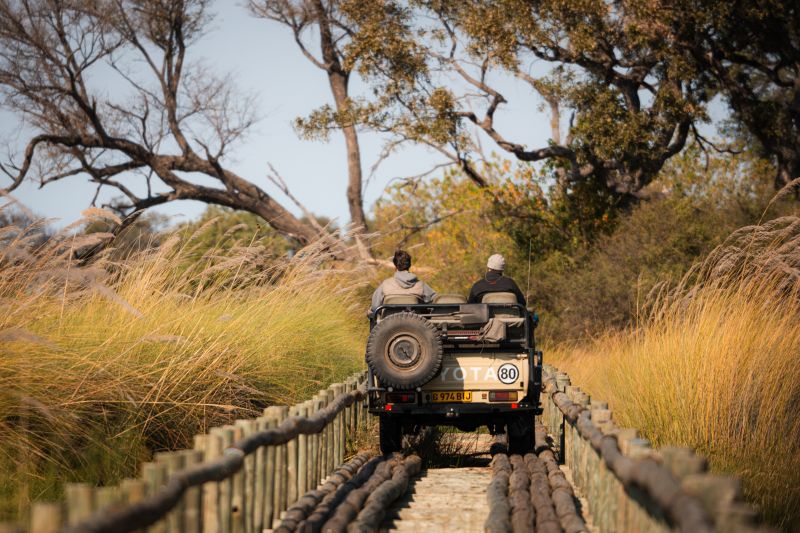
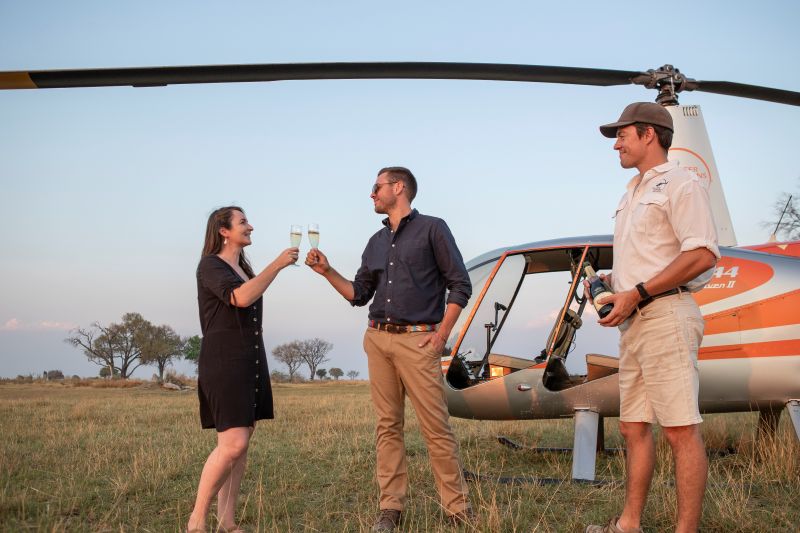
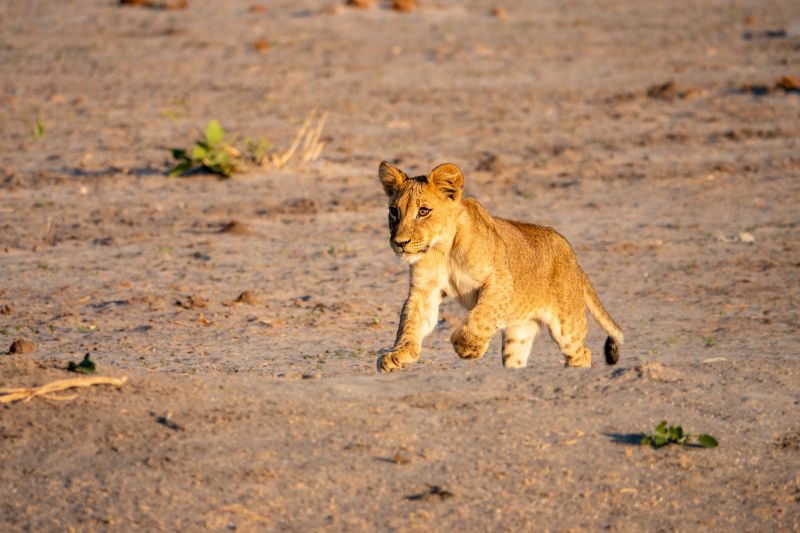
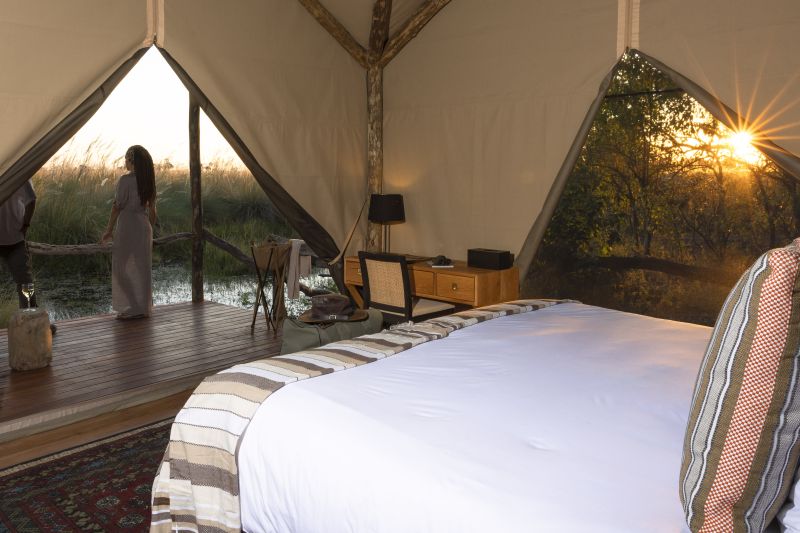
Botswana Luxury Safari
Botswana is our favorite safari destination for its incredible range of wildlife experiences and commitment to small-scale, high-end travel. This is where safari dreams come to life in comfort, privacy, and unspoiled beauty.
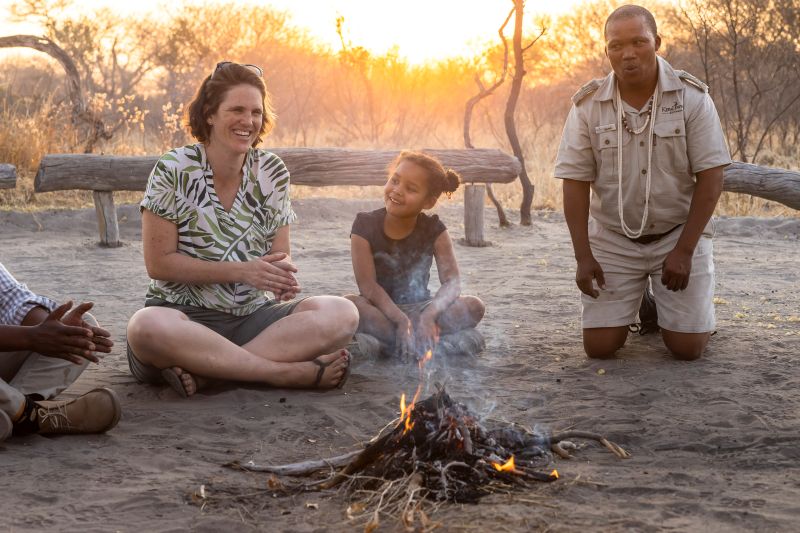
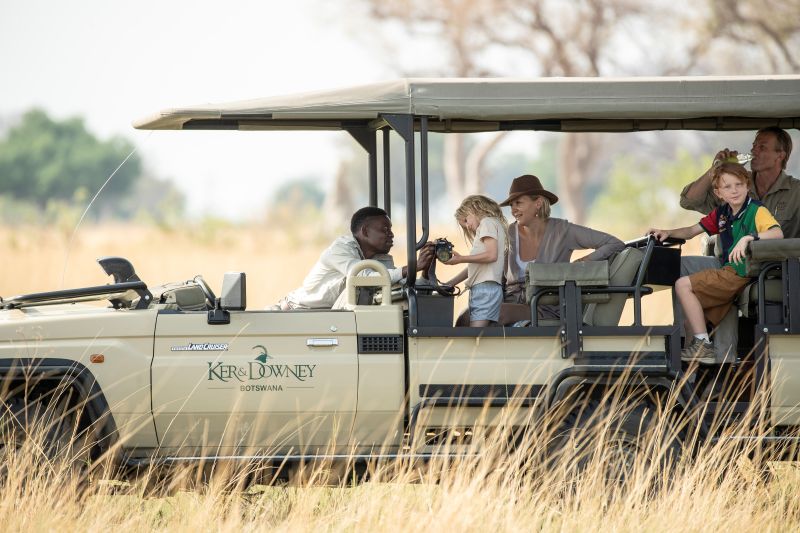
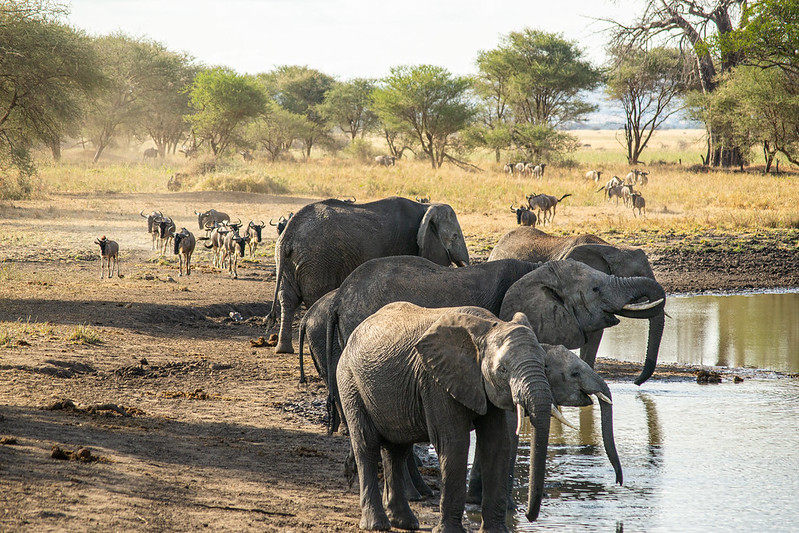
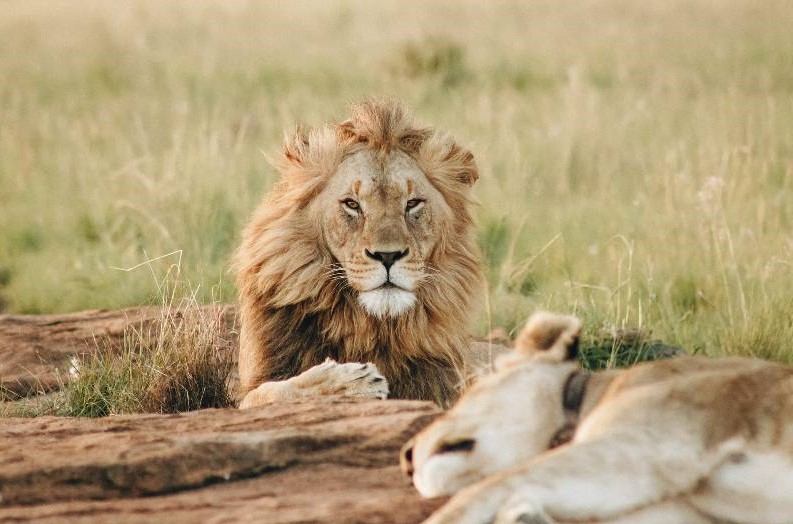
Kruger Family Safari
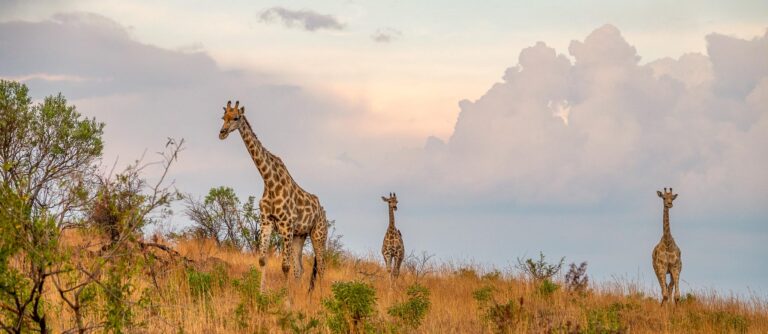
From breathtaking landscapes and iconic landmarks to rich cultural encounters, BIG 5 safaris and meaningful moments, this adventure is ideal for families wanting an adventure filled vacation.
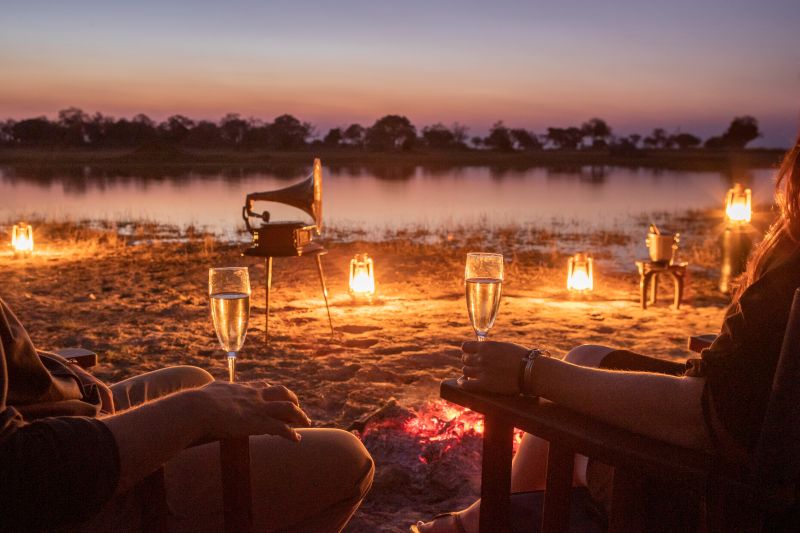
African Honeymoon Safari
This honeymoon safari offers a rich tapestry of wildlife encounters and meaningful cultural experiences. Each destination promises intimate game viewing and exclusive stays that will make your honeymoon truly special.
Choose Your African Safari
Discover the perfect African safari for any type of traveler, from once‑in‑a‑lifetime wildlife adventures to ultra‑luxurious private tours. Our African safari packages cater to families, honeymooners, and solo explorers, offering unforgettable journeys across Africa’s most iconic safari destinations.
Looking for a custom made safari? Enquire with one of our African Safari Experts today and we’ll design a tailor‑made African safari tour that turns your travel dreams into reality.
Filter By
Everything you need to know about going on safari
Have a question about going on an African Safari?
We're here to help!
Frequently Asked Questions About
Going On Safari In Africa
Where can I see the Great Migration?
The Great Migration can only be seen in the Masai Mara (Kenya) and the Serengeti (Tanzania). The Masai Mara is best from Jul – Sep when the wildebeest cross the Mara River. Calving season in the Southern Serengeti from Jan – Feb is also incredible and is much quieter, making the experience feel more intimate.
What is the best place for Safari in Africa?
The four best safari parks in Africa are:
- Okavango Delta, Botswana
- Serengeti, Tanzania
- Masai Mara, Kenya
- Kruger, South Africa.
These are also the busiest parks in Africa, and it is important to talk to an expert about what you are looking for from your safari to make sure you get the best experience.
A good example, if you are most interested in birds, Uganda has more than 1,000 species and may be a better destination for you. Or, if you want a cruise safari, Chobe Riverfront might be your best option.
Every safari park is different and offers a unique experience. Tanzania, Kenya, Botswana & South Africa are widely regarded as offering the best all-round safari and wildlife experiences though.
What is the best time of year to go on safari?
Africa is genuinely a year-round destination, and the best time to visit depends on your interests and the region you want to visit.
- East Africa (Jun – Oct or Jan – Mar)
- Southern Africa (May – Oct)
The dry season usually offers the best game viewing across most regions, as animals concentrate around water sources and vegetation thins out.
The shoulder season, is a great time to save up to 30% on your accommodation without compromising on experience.
The green season is the cheapest time to travel and brings lush landscapes, fewer crowds, and exceptional birdwatching.
For those with the Great Migration on their list, river crossings are best between Jun – Oct, while calving season is from Jan – Mar. Wildebeest and zebra can be spotted year-round though, and some do not migrate.
What is the Big Five, and will I see them?
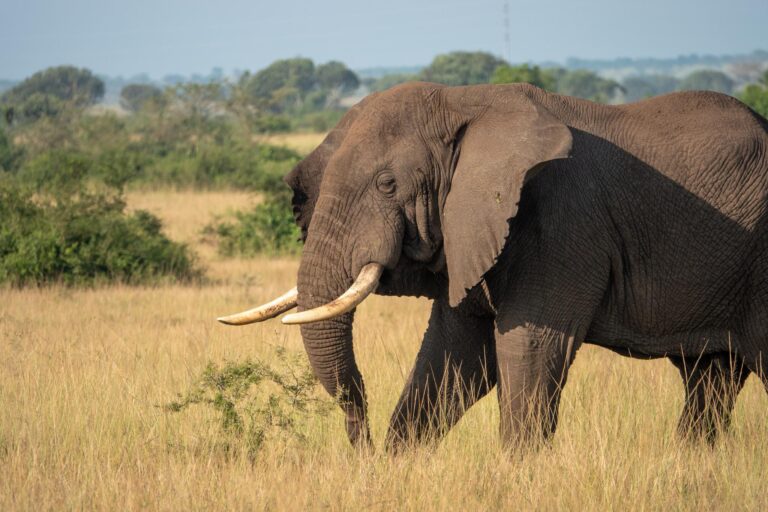
The Big Five — lion, elephant, leopard, rhino, and buffalo — were originally named for the animals considered most dangerous to hunt on foot. Today, seeing them remains a major highlight for safari visitors. Whether you see all five depends on your destination and the time of year, but your guide will work hard to maximize every opportunity. Tanzania, Kenya, Botswana & South Africa offer the best Big Five Safaris.
How long should a safari be?
The most popular duration is five to ten days, which allows you to explore multiple regions within a country, or combine two or more Safari parks, such as the Okavango Delta, Savute and Chobe or Serengeti & Ngorongoro without feeling rushed. Shorter trips of four to six days work well if you’re focused on one or two key parks.
What should I pack?
Comfortable clothes in neutral colors that can be layered are ideal. You’ll experience early morning cool, midday heat, and potentially rain, sometimes in the same day. Ensure you have ample spare batteries and charging cables for your phone and camera. A good pair of binoculars is strongly recommended, your guide will have a pair, but you won’t want to wait your turn when a leopard starts doing something interesting. Leave the bright colors and heavy luggage at home; many charter flights between camps have strict weight limits of around 15kg per person.
What is a typical day on safari like?
Most days begin with an early wake-up and a game drive that starts at sunrise, the best hours for wildlife activity. After roughly three hours in the bush, you’ll return to camp for breakfast and a midday rest. The afternoon game drive heads out toward the end of the day, often returning after dark. Far from being grueling, most guests find this rhythm deeply restorative, mornings alive with possibility, afternoons quiet and unhurried. Meals at camp are invariably a highlight, often enjoyed under open skies with the sounds of the bush all around you.
How much does an African safari cost, and what's included?
Safari pricing varies enormously depending on the destination, lodge type, and duration.
As a guide:
- Budget Safaris start at US$300 per person per night
- Mid-range Safaris start at US$450 per person per night
- Luxury Safaris start at US$1,000 per person per night
- Premium Safaris start at US$2,500 per person per night
What matters most is understanding exactly what’s included. Some operators appear less expensive but exclude internal flights, park fees, and meals, adding considerable hidden cost. A truly all-inclusive safari means from the moment you arrive to the moment you depart, there’s nothing to organize and very little to reach into your pocket for beyond tips and souvenirs.
How much should I tip, and what currency should I use?
USD cash is widely accepted for tips and tourist activities across East Africa, including Kenya, Tanzania, Rwanda, Uganda, Zimbabwe, and Zambia. USD is also preferred in Botswana. Tips cannot be paid by card in these countries.
In South Africa and Namibia, local currency is preferred and major credit cards are accepted at most lodges and camps.
When it comes to tipping, a general guideline for your safari guide is approximately US$10 to $15 per person per day.
Your guide is often the single most important part of your safari experience, their knowledge, patience, and skill in the bush will shape everything you see and feel out there. Tipping generously is a meaningful way to honor that.
What are the health and vaccination requirements?
Requirements vary by destination, so consult your doctor well in advance of travel. If you’re heading to a malaria zone, and many safari areas are, speak with your doctor about the right prophylactics. The best prevention is also avoiding mosquito bites: long sleeves at dusk, insect repellent on all exposed skin, and sleeping under nets when provided.
Yellow fever vaccination is only required if you’re arriving from or transiting through a yellow fever region, it’s unnecessary for travelers flying directly from Europe or the US.