Kilimanjaro Training Program: Your Key To Summit Success
Introduction: The Work Behind the Summit
Picture it: 4 am on summit night. Your headtorch illuminates the frozen trail, each breath comes a little harder, and the horizon is beginning to brighten behind Kibo’s crater rim. Uhuru Peak is somewhere ahead, and every step brings you closer.
The climbers who reach the summit are not necessarily the strongest athletes on the mountain. They are often the ones who have prepared consistently, paced themselves and given their bodies enough time to adjust to the altitude.
Mount Kilimanjaro requires no ropes or advanced technical climbing skills on its standard trekking routes. That can make it seem more straightforward than it is. At 5,895 metres above sea level, Africa’s highest mountain presents a different challenge: long days of walking, steep ascents, tiring descents, cold conditions and significantly less oxygen at altitude.
A good Kilimanjaro training program prepares you for all of this. You need the endurance to walk for hours, the strength to manage uneven terrain, and the discipline to keep a steady pace when the climb gets difficult.
Whether you have six months to prepare or just three, this guide will help you build a realistic training plan and arrive at the mountain ready for the challenge.
Engaging in a structured kilimanjaro training program can ensure you are well-prepared for the challenges ahead.
How Fit Do You Need to Be to Climb Kilimanjaro?
You do not need to run marathons, lift heavy weights or be an experienced mountaineer. You do, however, need a reasonable level of cardiovascular fitness, strong legs and the ability to spend several consecutive days walking.
Kilimanjaro is primarily an endurance challenge. Your training should reflect what you will actually do on the mountain: walk uphill, descend on uneven ground, carry a daypack and recover well enough to do it again the next day.
Useful preparation goals include:
Walking comfortably for four to eight hours on varied terrain.
Building the endurance to climb sustained hills without exhausting yourself.
Carrying a daypack containing your water, snacks, clothing and other essentials.
Managing long descents without excessive knee or ankle discomfort.
Recovering sufficiently to walk again the following day.
These are preparation goals rather than guarantees of summit success. Your exact demands will depend on your route, itinerary, pace and current fitness.
Before you begin: Speak to a healthcare professional if you have an existing medical condition, have been inactive for a long time or have concerns about your ability to undertake strenuous exercise.
A solid kilimanjaro training program focuses on endurance and strength to help you reach your goals.
How Long Should You Train for Kilimanjaro?
The right training period depends on your starting point. Someone who hikes regularly will need a different plan from someone who spends most of the day sitting and is new to exercise.
As a general guide:
Six months: Ideal if you are a beginner or returning to exercise after a long break.
Three to four months: A realistic target if you already exercise regularly and have a reasonable fitness base.
Eight weeks: A more demanding option for people who are already active and can comfortably handle long walks.
If you have six months, use the extra time to build gradually rather than making every workout harder. If you have less time, concentrate on consistency and hiking-specific endurance instead of trying to make up for lost time through excessive training.
Increase your training load progressively. A commonly used guideline is to make modest increases of around 5 to 10 per cent when your body is recovering well, but this is not a strict weekly rule. Reduce the workload if you develop persistent pain, unusual fatigue or other signs that you are not recovering.
Your kilimanjaro training program should cater to your fitness level and climbing experience.
The Four Phases of a Kilimanjaro Training Program
A structured plan helps you build fitness without doing too much too soon. Divide your preparation into four phases, adjusting the duration to fit your schedule.
Phase 1: Build Your Fitness Base
Suggested duration: Weeks 1 to 6
The first goal is consistency. You want to establish an exercise routine that you can maintain without feeling exhausted after every session.
Start with three moderate cardio sessions per week, lasting around 20 to 30 minutes each. Brisk walking, cycling, swimming and easy jogging are all useful options, depending on your current fitness.
Add two short full-body strength sessions and one progressively longer walk on the weekend.
Focus on:
Building a regular exercise habit.
Improving basic cardiovascular endurance.
Strengthening your legs and core.
Learning how your body responds to increasing activity.
Most sessions should feel manageable. You should generally be able to hold a conversation while exercising.
Phase 2: Develop Endurance
Suggested duration: Weeks 5 to 12
Once you have established a base, gradually increase the length and difficulty of your workouts.
Build towards three or four cardio sessions a week, with some lasting 45 to 60 minutes. Introduce hill walking, stair climbing and incline treadmill sessions. Begin carrying a light daypack on your longer walks.
Continue strength training twice a week, paying particular attention to the muscles used during uphill walking and downhill control.
Your weekend hikes should gradually become longer, with more elevation gain and more varied terrain.
The aim is not to make every session difficult. Most training should remain at a comfortable, sustainable intensity, with harder sessions introduced sparingly.
Phase 3: Train for the Mountain
Suggested duration: The final 6 to 8 weeks before tapering
This is where your preparation becomes more specific to Kilimanjaro.
Prioritise long hikes, sustained climbs and descents, and walking with the pack you expect to carry on the mountain. If your conditioning and joints tolerate it, gradually increase your pack weight towards approximately 5 to 8 kg, or the actual load you expect to carry.
You generally do not need to train with an extremely heavy pack. Many guided climbs involve porters carrying the main luggage, leaving trekkers with a smaller daypack.
Include occasional back-to-back hiking days. For example, complete a longer hike on Saturday followed by a shorter, easier walk on Sunday. This helps you practise moving on tired legs while learning how much recovery you need.
Where possible, train on uneven trails, gravel paths and sustained hills. If you live somewhere flat, use a stair machine or incline treadmill to recreate some of the climbing demands.
Phase 4: Taper Before Departure
Suggested duration: The final 7 to 14 days
Your last week or two should be about arriving fresh, not squeezing in extra fitness gains.
Reduce the length and intensity of your workouts while maintaining some easy movement. Avoid unfamiliar exercises, very long hikes and heavy strength sessions that could leave you sore.
Use this period to:
Prioritise sleep and recovery.
Check your boots, socks, clothing and daypack.
Rehearse your layering system.
Organise travel documents and trekking essentials.
Review your itinerary and follow your operator’s preparation advice.
Finish demanding training several days before departure, leaving enough time to recover from your final substantial hike.
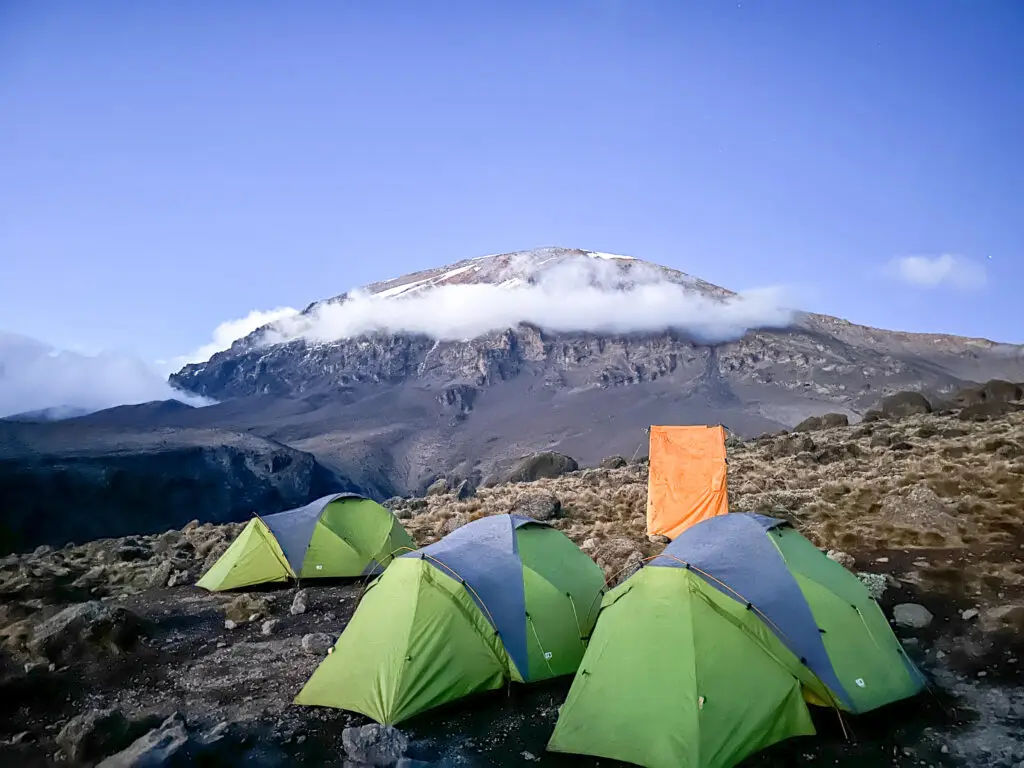
Consider following a kilimanjaro training program that breaks down your preparation into manageable phases.
Kilimanjaro Cardio and Strength Training
Hiking should form the foundation of your preparation, but cardiovascular exercise and strength training will help you handle the mountain more comfortably.
Cardio Exercises That Help
The most useful cardio activities are those that develop endurance while resembling the physical demands of trekking.
Incline treadmill walking: A practical way to build uphill endurance, particularly if you live in a flat area.
Stair climbing: Develops leg endurance and helps prepare you for sustained climbing. Begin with short sessions and increase gradually.
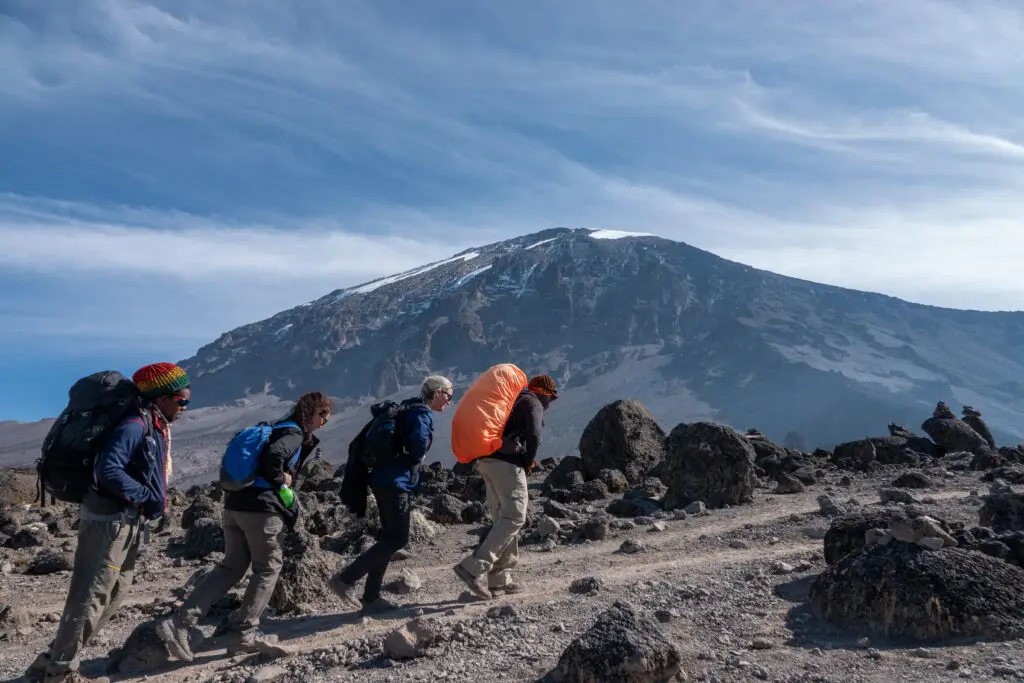
Hill walking: One of the best options because it combines elevation gain, time on your feet and outdoor conditions.
Trail hiking: Builds confidence on uneven ground and helps prepare your ankles, knees and stabilising muscles for variable terrain.
Cycling and swimming: Useful for improving cardiovascular fitness, especially during the early stages of training. As your climb approaches, give greater priority to weight-bearing activities such as hiking and incline walking.
Most cardio sessions should be performed at a conversational pace. You can include occasional harder efforts once you have built a solid base, but exhausting yourself regularly is unnecessary.
Strength Exercises for Kilimanjaro
Aim for two full-body strength sessions per week, usually lasting 30 to 45 minutes.
Concentrate on controlled movements that develop the strength and stability needed for climbing and descending.
| Exercise | Why it helps |
|---|---|
| Squats | Build strength in the thighs and glutes for climbing. |
| Lunges | Develop single-leg strength and balance. |
| Step-ups | Closely resemble the movement of climbing uphill. |
| Controlled step-downs | Help develop control for descents. |
| Deadlifts or hip hinges | Strengthen the glutes, hamstrings and hips. |
| Calf raises | Improve calf strength and endurance. |
| Rows | Strengthen the upper back for carrying a daypack. |
| Planks and other core exercises | Improve trunk stability and posture. |
Start with manageable resistance and focus on proper technique. Increase the challenge gradually as you become stronger.
Allow adequate recovery between demanding sessions. During the final weeks before your climb, maintain strength with lighter workouts rather than chasing personal records.
The right kilimanjaro training program will incorporate both cardio and strength training.
Hiking With a Pack: Your Most Important Workout
If there is one activity to prioritise, make it hiking.
Long walks help you develop the specific endurance required for Kilimanjaro while giving you the opportunity to test your footwear, socks, clothing, hydration system and daypack before the trip.
Start with a comfortable walk carrying a light pack of around 3 to 5 kg. As your fitness improves, increase the distance, elevation or pack weight gradually. You might eventually work towards 5 to 8 kg, depending on what you will carry during your climb.
Do not increase every variable at once. A longer hike with the same pack can be more productive than simultaneously adding distance, elevation and weight.
During your longer outings:
Wear the boots and socks you intend to use on Kilimanjaro.
Practise walking steadily rather than rushing uphill.
Drink regularly and practise eating snacks while moving.
Use trekking poles if you intend to take them on the climb.
Pay attention to how your knees, ankles and feet feel during descents.
If you live in a flat area, stairs, a stair machine and an incline treadmill can help. However, try to include some outdoor walking as well, since uneven terrain and changing surfaces require additional balance and coordination.
Incorporating a pack on a kilimanjaro training program is essential for long walks and testing your equipment.
Altitude Training for Kilimanjaro
Altitude is one of the biggest challenges on Kilimanjaro, and it is important to understand what fitness can and cannot do.
At high altitude, the reduced availability of oxygen places additional demands on your body. You may experience breathlessness, headaches, fatigue, nausea or disturbed sleep, even if you are physically fit.
You do not need to live at altitude or complete a high-altitude training expedition before climbing Kilimanjaro. If you have access to higher mountains, hiking at altitude may give you some useful experience, but it does not guarantee that you will acclimatise successfully on Kilimanjaro.
The most important preparation is choosing a suitable itinerary that allows adequate time for acclimatisation.
Once on the mountain, follow your guide’s instructions, maintain a slow and steady pace, and communicate any symptoms promptly. The Swahili phrase pole pole, meaning slowly or little by little, captures the approach many climbers need to adopt.
Drink regularly to replace fluid losses, but do not force excessive amounts of water. Fitness improves your ability to sustain the physical effort; it does not prevent altitude sickness or replace proper acclimatisation.
Consider how altitude training fits into your overall kilimanjaro training program.
Sample Kilimanjaro Training Week
Example: Approximately one month before departure
By this stage, an experienced and well-conditioned trekker may be ready for a week that includes several moderate sessions and a longer weekend hike. Beginners should use a lighter version and build towards this workload gradually.
| Day | Training session |
|---|---|
| Monday | Easy cardio for 30 to 45 minutes, followed by mobility work. |
| Tuesday | Full-body strength training for 30 to 45 minutes. |
| Wednesday | Incline treadmill or hill walking for 45 to 60 minutes. |
| Thursday | Easy cardio for 30 minutes, plus a short core session. |
| Friday | Rest or gentle walking and stretching. |
| Saturday | Long hike with a daypack, ideally on varied terrain. |
| Sunday | Shorter, easier hike or recovery walk, depending on fatigue. |
Keep at least one full rest day and adjust the second weekend session according to how well you recover from Saturday.
For a well-conditioned trekker, the longer hike might eventually last several hours, with substantial elevation gain. There is no universal distance or elevation target that everyone must reach. Your training should reflect your route, experience, health and current ability.
The goal is to finish your training sessions feeling that you could have continued a little longer, rather than repeatedly pushing yourself to exhaustion.
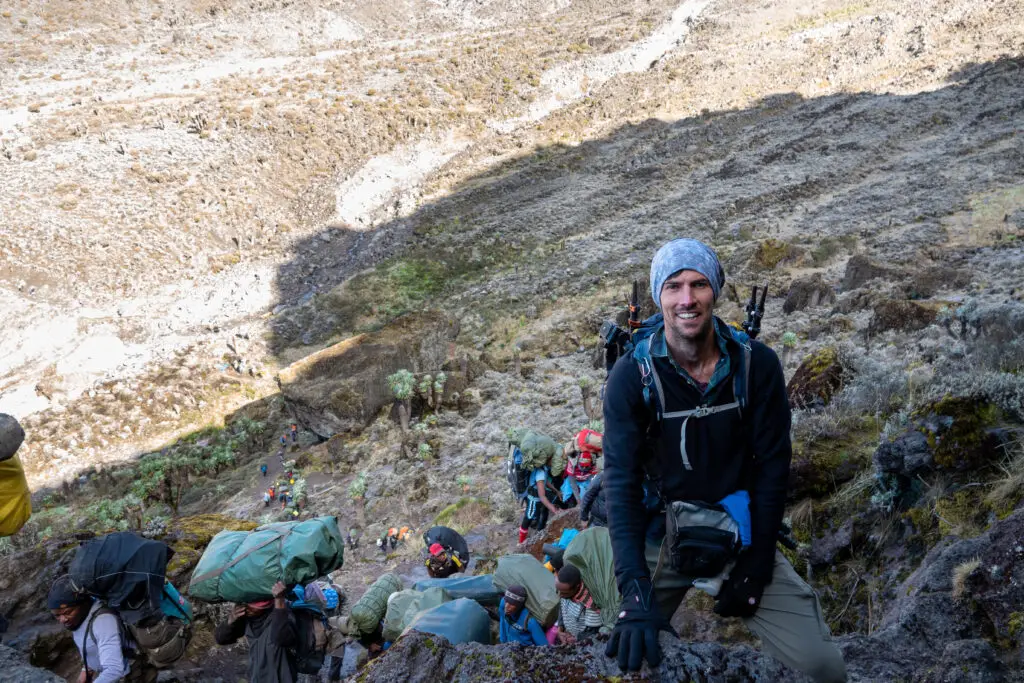
Your kilimanjaro training program should evolve as your fitness improves and you get closer to departure.
An 8-Week Kilimanjaro Training Plan
Short on time? An eight-week plan can help if you are already active and reasonably comfortable with longer walks. It is less suitable for someone starting from a very low fitness base.
Aim for around five training days per week, combining three walking or cardio sessions with two strength sessions. You can combine a short strength workout with an easy cardio session when necessary.
Weeks 1 and 2: Establish a consistent routine with moderate walks, two strength sessions and one longer weekend walk.
Weeks 3 and 4: Increase the duration of your walks, introduce hills or stairs, and begin carrying a light pack.
Weeks 5 and 6: Prioritise longer hikes, sustained uphill walking and controlled descents. If recovery is good, include an easier walk the day after your long hike.
Week 7: Complete your final substantial hike early in the week, then reduce the overall training load.
Week 8: Taper, recover and prepare for departure. Avoid hard workouts close to the climb.
Do not try to compensate for limited preparation by suddenly doubling your training volume. If you cannot comfortably manage progressively longer walks by the time your trip approaches, discuss your readiness with a healthcare professional and your trekking operator.
Having an 8-week kilimanjaro training program can be a great way to prepare effectively.
Practical Tips for Preparing for Kilimanjaro
Training is about more than improving your fitness. The habits you develop before the climb can make your days on the mountain more manageable.
Break in your boots. Wear them on progressively longer walks so you can identify pressure points and reduce the risk of blisters.
Test your clothing and pack. Practise with the layers, socks, rain protection and daypack you intend to use.
Learn to use trekking poles. They can help with balance and reduce some of the load on your legs, particularly on descents.
Practise eating and drinking. Find snacks and meals you tolerate well during exercise, and develop a regular hydration routine.
Train for consecutive days. Occasional back-to-back hikes help you learn how your body responds to accumulated fatigue.
Respect recovery. Rest, sleep and adequate nutrition are part of the training plan, not obstacles to it.
Prepare mentally. Long walks teach patience and pacing. You will learn to keep moving steadily, manage discomfort and focus on the next step rather than the entire mountain.
Choose your route carefully. A longer itinerary generally provides more opportunity for acclimatisation than a rushed ascent. Discuss route choice, safety arrangements and summit expectations with your trekking operator.
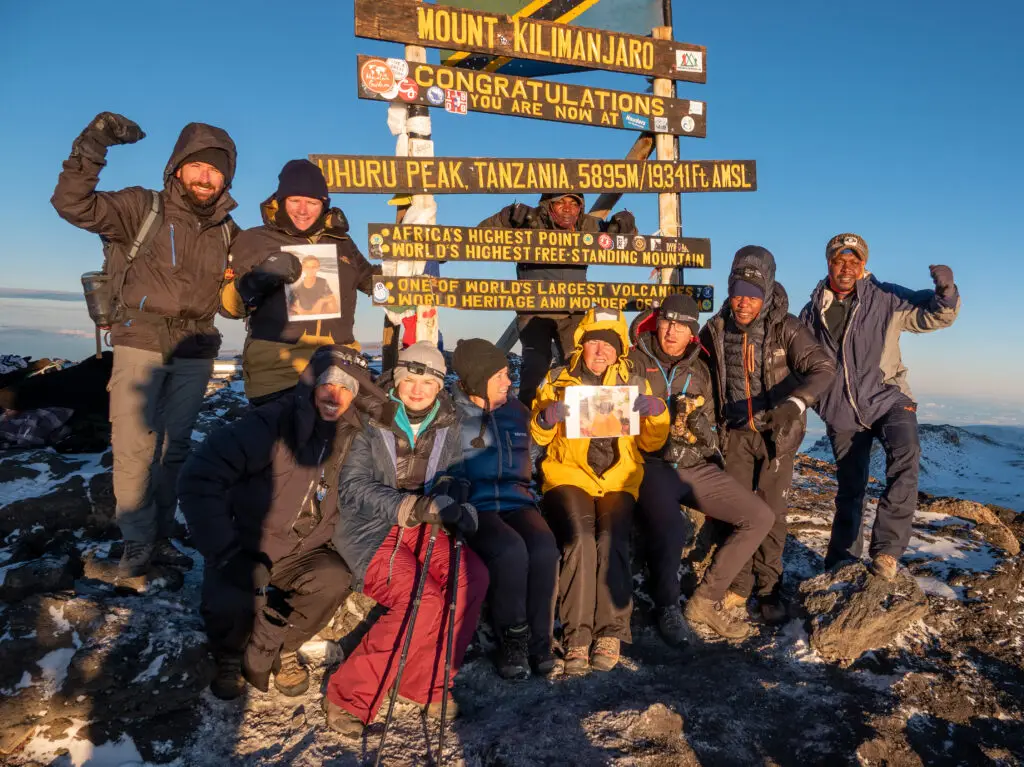
Practical tips for your kilimanjaro training program can help you prepare mentally and physically.
Ready to Prepare for Kilimanjaro?
Reaching Uhuru Peak begins long before you arrive in Tanzania. It starts with the walks you take this week, the strength you build over the coming months and the decision to prepare patiently rather than rush the process.
You do not need to become an elite athlete. You need to build the right kind of fitness, practise consistently and give yourself enough time to prepare.
If Kilimanjaro is on your bucket list, start where you are. Build gradually, listen to your body and remember that the goal is not simply to reach the summit, but to give yourself the best possible chance of completing the climb safely and enjoying the experience.
Planning your Kilimanjaro adventure? Continue preparing with our guides such as:
Mt. Kilimanjaro vs Mt. Kenya, among others.