Everything You Need to Know About Etosha National Park
Where Is Etosha National Park?
Etosha National Park lies in northern Namibia and is one of Africa’s most accessible and rewarding safari destinations.
At its heart is the vast Etosha Pan, a massive salt flat so large it can be seen from space. It stretches for over 100 km and covers a significant portion of the park, shaping everything from the scenery to the way wildlife moves.
Interestingly, the name “Etosha” comes from the Ovambo language and means “Great White Place.”
Why Visit Etosha National Park?
Etosha stands out because it simplifies the safari experience in the best possible way.
Wildlife Comes to You
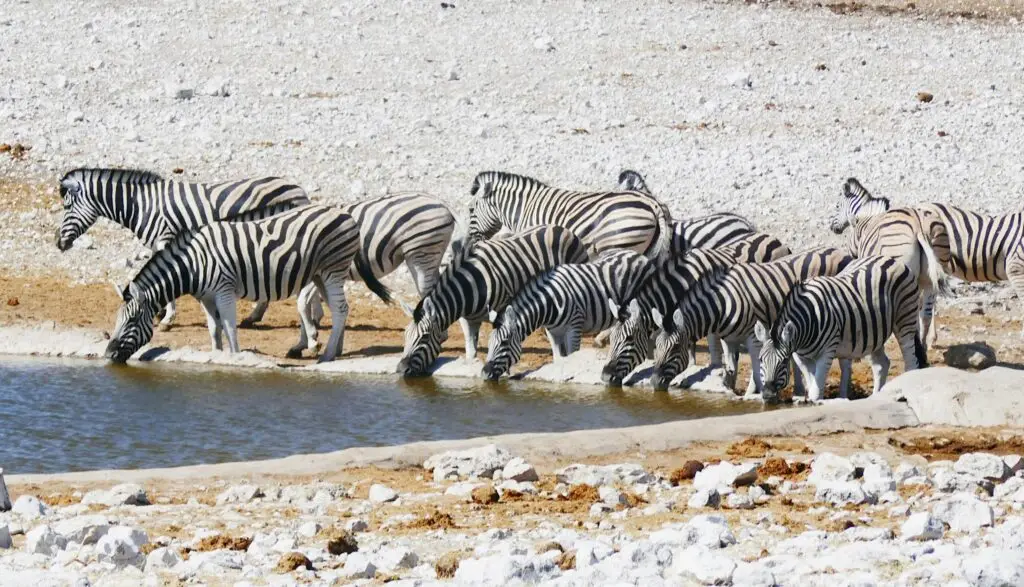
Etosha is built around a network of over 50 waterholes, both natural and man-made. These are the lifeline of the park. During the dry season, animals gather here in large numbers, creating incredibly consistent sightings.
Instead of searching endlessly, you often just wait and watch.
Easy and Accessible Safari
Unlike many safari destinations, Etosha is:
- Malaria-free
- Accessible by regular vehicles
- Ideal for self-drive adventures
This makes it one of the easiest parks in Africa to explore without sacrificing the quality of the experience.
A Unique Viewing Experience
The open, flat landscapes and sparse vegetation make wildlife easier to spot. Add the dramatic backdrop of the pan, and every sighting feels cinematic.
What Wildlife Can You See in Etosha?
Etosha is home to over 100 mammal species and more than 300 bird species, making it one of southern Africa’s richest ecosystems.
You can expect to see:
- Elephants, often among the largest in Africa due to mineral-rich soils
- Lions, frequently seen near waterholes
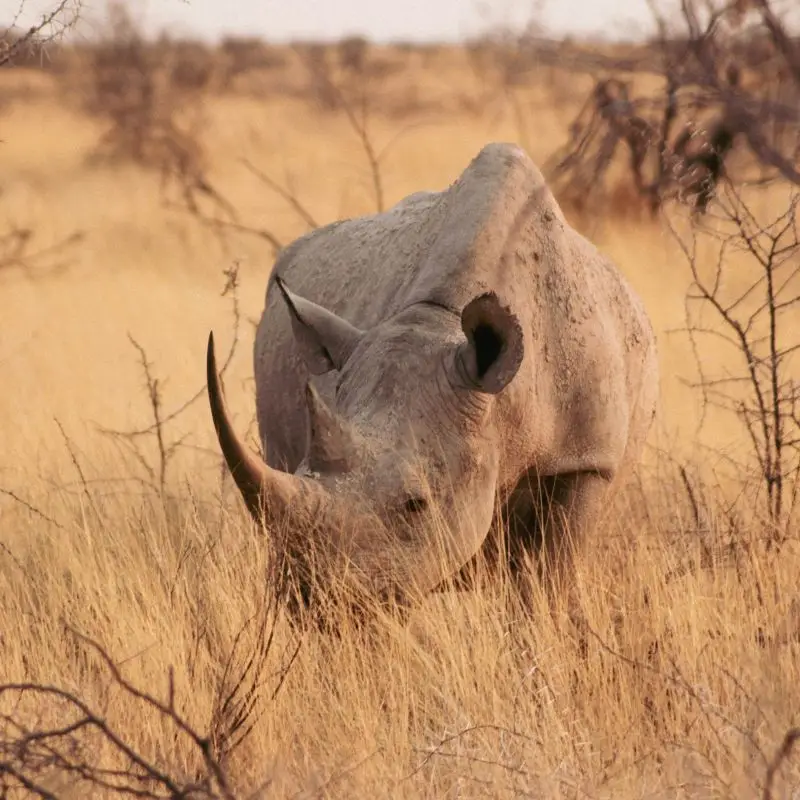
- Black rhinos, with Etosha being one of the best places in the world to spot them
- Leopards, though more elusive
- Cheetahs across open plains
And then there are the numbers. Herds of zebra and springbok can gather in the hundreds at waterholes, especially in the dry season.
The Power of Waterholes
If there’s one thing that defines Etosha, it’s this.
Water dictates everything.
Different waterholes attract different animals at different times. Some are known for lions, others for elephants or even elusive species like leopard.
Places like Okaukuejo Camp are famous for floodlit waterholes where you can watch wildlife at night. It’s one of the few places in Africa where you might see elephant, lion, and rhino drinking together after dark.
And the biggest tip? Stay still. Turn off the engine. Let the moment come to you.
Best Time to Visit Etosha National Park
Dry Season (May to October)
This is peak safari time.
- Wildlife concentrates around waterholes
- Vegetation is sparse
- Sightings are frequent and clear
It’s also when Etosha feels most dramatic, with dry white dust covering the landscape.
Wet Season (November to April)
The park transforms completely.
- The pan can fill with water
- Flamingos and migratory birds arrive in large numbers
- The landscape turns green and full of life
It’s a quieter, more photographic experience, though animals are more spread out.
Top Things to Do in Etosha
Self-Drive Safari
Etosha is one of Africa’s best self-drive parks. Roads are well maintained, and the open terrain makes navigation simple.
Waterhole Watching
This is the essence of Etosha. Find a good spot, wait, and watch wildlife come to you.
Night Viewing at Camps
Stay inside the park to experience floodlit waterholes after dark, where some of the most memorable sightings happen.
Birdwatching
With over 300 species, including flamingos during the wet season, Etosha is a rewarding destination for bird lovers.
Photography
From silhouettes crossing the pan to close-up waterhole encounters, Etosha offers some of the most distinctive photography opportunities in Africa.
Where to Stay in Etosha National Park
Inside the park, camps are well equipped with:
- Restaurants
- Shops
- Fuel stations
- Viewing decks
Key camps include:
- Okaukuejo Camp
- Halali Camp
- Namutoni Camp
More exclusive lodges are located deeper in the park or just outside its boundaries.
What Makes Etosha Special?
Etosha doesn’t try to overwhelm you.
It simplifies the safari.
- You don’t chase wildlife, you wait for it
- You don’t rush, you observe
- You don’t compete with crowds, you share space with nature
It’s one of the few places where doing less actually gives you more.
Travel Tips for Etosha
- Be patient at waterholes. That’s where the magic happens
- Start early and end late for the best sightings
- Book accommodation in advance. The park is popular
- Respect park rules and timings, which follow sunrise and sunset