Complete Guide To Skeleton Coast NP, Namibia
Where Is Skeleton Coast National Park?
Skeleton Coast National Park lies along the remote northwest coastline of Namibia, where the vast Namib Desert meets the icy Atlantic Ocean. Stretching for hundreds of kilometers, this protected area is one of Africa’s most isolated and least-visited national parks, making it ideal for travelers seeking raw, untouched wilderness.
Why Visit Skeleton Coast National Park?
The Skeleton Coast is not your typical safari destination. It offers something far rarer-a sense of complete isolation and dramatic contrast.
1. Shipwrecks and a Legendary Coastline
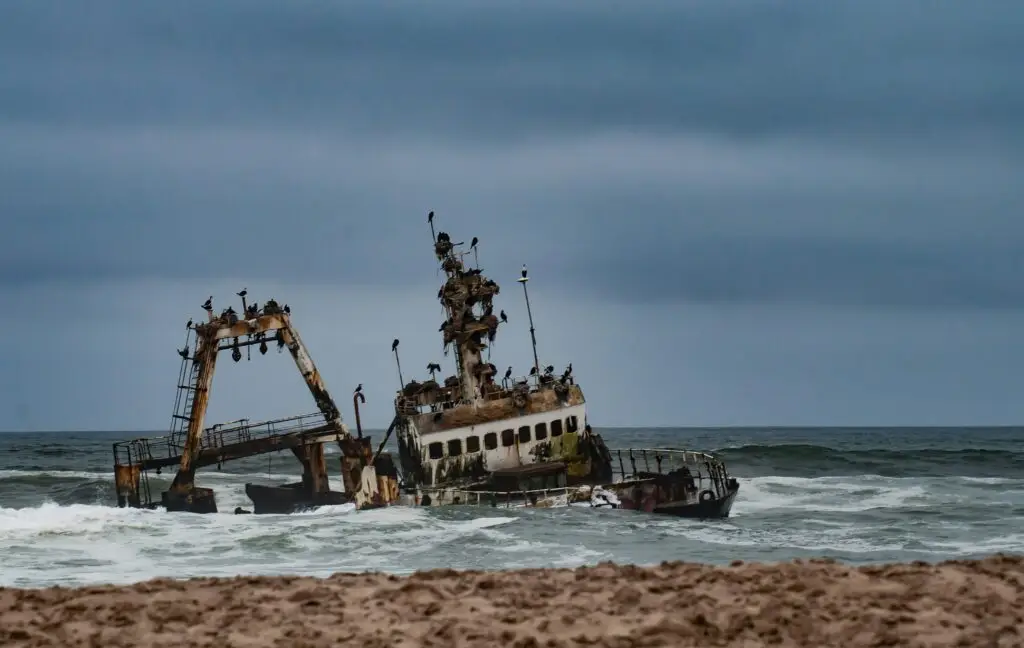
The coastline is famous for its haunting shipwrecks, caused by dense fog and powerful ocean currents. Rusting vessels scattered along the shore create one of Africa’s most photogenic and eerie landscapes.
2. Desert Meets Ocean
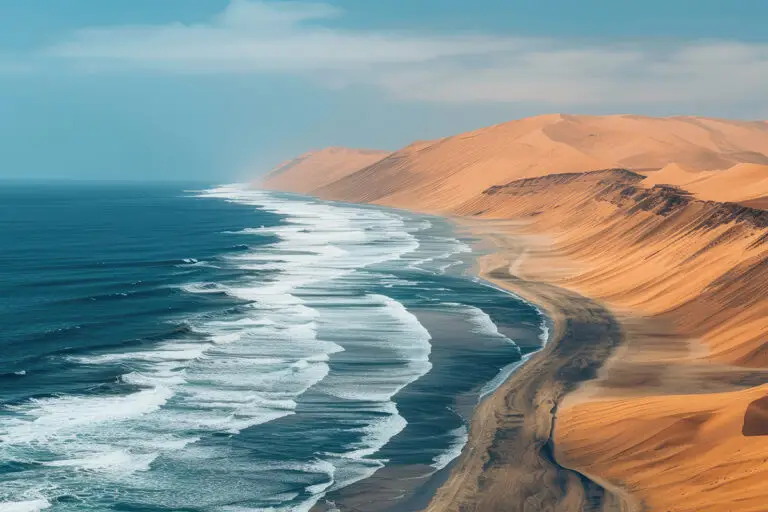
Few places in the world offer such a striking collision of environments. Towering dunes roll straight into the Atlantic, creating surreal scenery that feels almost otherworldly.
3. Unique Desert-Adapted Wildlife
Despite its harsh conditions, the park is home to:
- Desert-adapted elephants
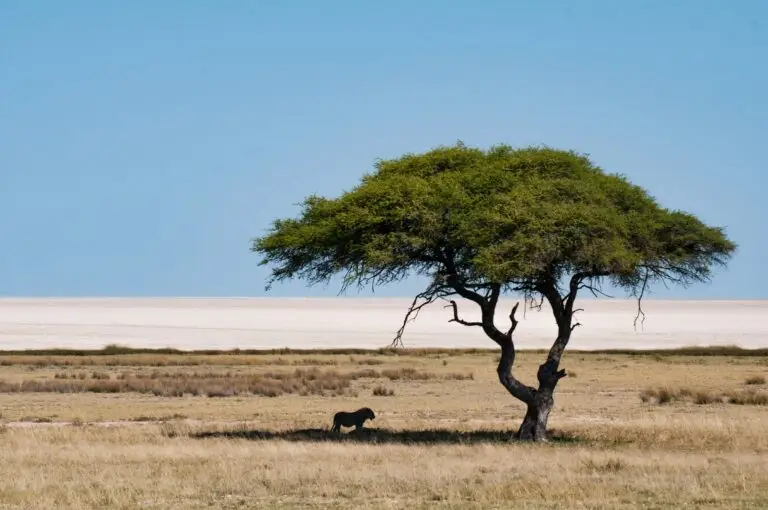
- Lions that survive along the coastline
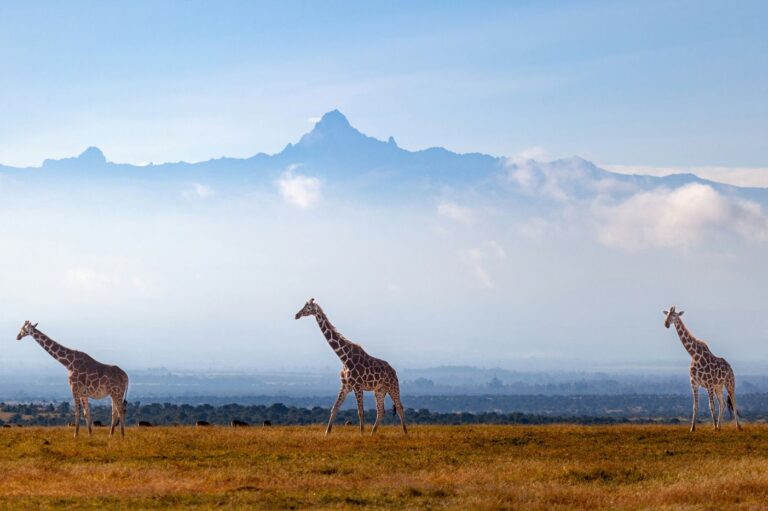
- Giraffe, springbok, and gemsbok
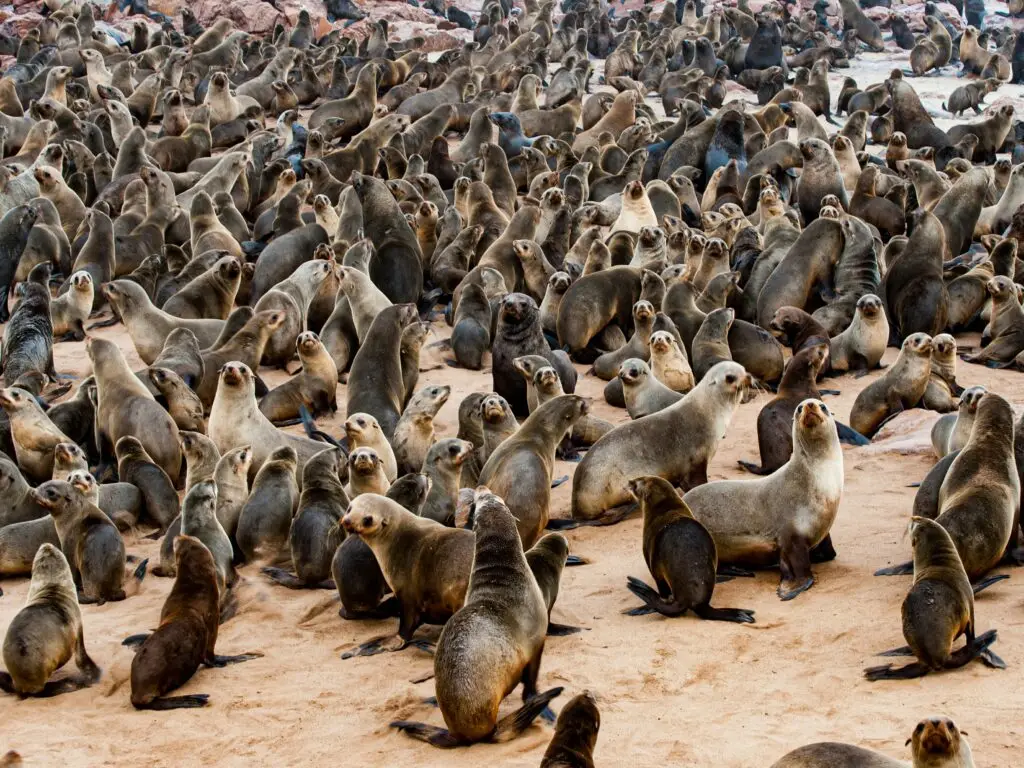
- Large colonies of Cape fur seals
Wildlife here doesn’t just survive. It adapts in extraordinary ways.
4. True Remoteness
With limited access and strict conservation controls, much of the park remains untouched. You won’t find crowds here- just vast landscapes and silence.
Top Things to Do in Skeleton Coast
Game Drives in Remote Wilderness
Explore dry riverbeds and desert plains in search of rare wildlife uniquely adapted to this environment. Guided 4×4 excursions take you deep into uncharted territory, where desert-adapted lions, elephants, and giraffe roam freely. Your experienced tracker will point out subtle signs of animal movement—tracks in the sand, browsing marks on vegetation, and droppings that reveal recent passage. These game drives offer an intimate connection with one of Africa’s last true wildernesses, where every sighting feels like a discovery.
Scenic Flights Over the Coast
One of the best ways to experience the Skeleton Coast is from the air—revealing shipwrecks, dunes, and coastline stretching endlessly below. Small aircraft provide breathtaking aerial views of the dramatic landscape where golden sand dunes meet the cold Atlantic surf. From above, you’ll spot seal colonies appearing as dark patches against the pale beach, rivers cutting through the desert like veins, and the skeletal remains of ships that fell victim to the treacherous coastline. This perspective transforms the vastness of the region into something tangible and awe-inspiring.
Visit Seal Colonies
Witness thousands of Cape fur seals along the coast, especially near areas like<br>Cape Cross Seal Reserve<br>. This massive colony houses up to 80,000 seals during breeding season, creating an unforgettable sensory experience with their barking calls and pungent odor. Watch pups playing in the surf, males defending their territories, and females nursing their young. The reserve offers boardwalks that let you observe this incredible spectacle while respecting the animals’ space. It’s one of Africa’s most accessible wildlife encounters and a testament to the region’s rich marine ecosystem.
Explore Shipwreck Sites
Walk among the remains of vessels stranded decades ago—each one telling a story of survival and loss. The foggy coastline and powerful currents have claimed countless ships over the centuries, leaving rusting hulls scattered along remote beaches. The most famous wrecks include the Eduard Bohlen, a cargo ship stranded 300 meters inland after the coastline shifted, and the Dunedin Star, which ran aground during World War II. These haunting remnants serve as memorials to the dangers of this treacherous coast and provide eerie photo opportunities against the stark desert backdrop.
Cultural Encounters
Engage with the Himba people, known for their resilience and deep connection to the land. These semi-nomadic pastoralists have thrived in the harsh Namib environment for centuries, maintaining traditional customs and lifestyles largely unchanged. Visit Himba villages to learn about their distinctive red ochre body paint, intricate hairstyles that signify social status, and sustainable grazing practices. Share stories with elders who can explain the spiritual significance of the landscape, taste traditional foods, and witness daily activities like cattle herding and pottery making. These authentic interactions offer profound insight into human adaptation and cultural preservation.
When Is the Best Time to Visit Skeleton Coast?
The Skeleton Coast can be visited year-round, but the best time is typically during the dry season (May to October) when:
- Wildlife is easier to spot
- Temperatures are more moderate
- Travel conditions are more predictable
Fog is common throughout the year and is part of what defines the region’s unique ecosystem.
How to Get to Skeleton Coast National Park
Due to its remote nature, access is limited:
- Fly-in safaris are the most popular and efficient option
- Self-drive access is restricted to certain southern areas
- Northern regions require permits and guided experiences
Most travelers combine Skeleton Coast with:
- Etosha National Park for classic safari experiences
- Sossusvlei for iconic red dunes
Where to Stay
Accommodation in Skeleton Coast is exclusive and limited, often in the form of:
- Remote luxury lodges
- Fly-in safari camps
- Eco-conscious wilderness stays
This exclusivity is part of what preserves the park’s untouched feel.
What Makes Skeleton Coast Unique?
Skeleton Coast stands apart from other African destinations because it offers:
- A rare mix of desert, ocean, and fog ecosystems
- Some of the most remote safari experiences in Africa
- A powerful sense of solitude and scale
- Landscapes that feel raw, dramatic, and untouched
Travel Tips for Skeleton Coast
- Plan well in advance due to limited accommodation
- Travel with experienced guides or operators
- Pack for temperature changes (cool foggy mornings, warmer afternoons)
- Expect limited connectivity- this is a true digital detox
Experience the Extraordinary with Adventure Out Loud
At Adventure Out Loud, we believe in going beyond the expected.
Skeleton Coast is not just a destination. it’s a reminder that the most powerful travel experiences often come from the most unexpected places.
From shipwrecks in the mist to wildlife thriving against the odds, this is Africa at its most raw and unforgettable.