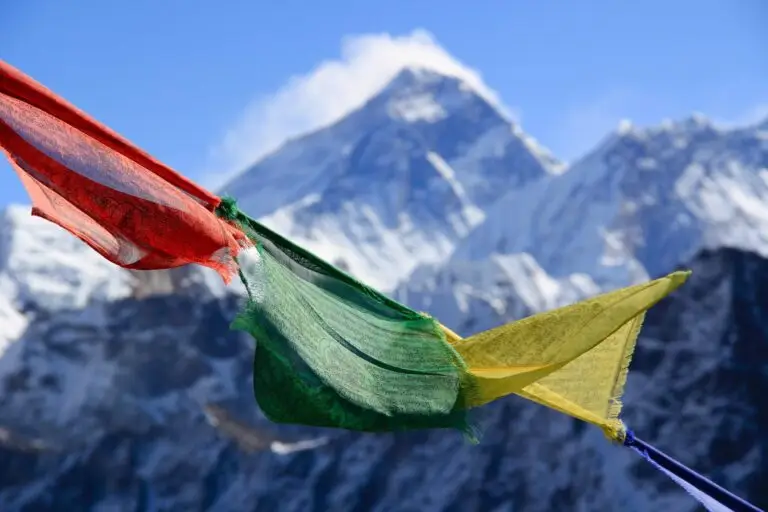
Annapurna Sanctuary Trek: The Complete Guide to Annapurna Base Camp
What Is the Annapurna Sanctuary Trek?
The Annapurna Sanctuary is a high-altitude glacial basin located in the heart of Nepal‘s Annapurna Massif. At its centre sits Annapurna Base Camp (ABC), at 4,130 metres (13,550 feet).
The sanctuary is surrounded by a dramatic collection of Himalayan peaks, creating a natural amphitheatre that makes this trek particularly special.
The route follows the Modi Khola river valley deep into the mountains, passing through traditional Gurung and Magar villages, bamboo forests, rhododendron woodlands and alpine landscapes before opening into the rugged terrain of the base camp.
Unlike some Himalayan expeditions that require technical climbing skills, the Annapurna Base Camp trek is primarily a walking adventure. This makes it an excellent option for travellers looking for a rewarding high-altitude experience without having to be experienced mountaineers.
Annapurna Base Camp Trek at a Glance
Maximum altitude: 4,130 m (13,550 ft)
Total distance: Approximately 80 km (50 miles) round trip
Duration: 10 to 14 days, depending on the route
Difficulty: Moderate
Starting point: Nayapul or Ghandruk, depending on the itinerary
Nearest major town: Pokhara
Best seasons: Spring (March to May) and autumn (September to November)
Annapurna Base Camp Trek Route Overview
The classic Annapurna Base Camp trek begins with a journey from Pokhara to the trailhead, followed by several days of walking through increasingly dramatic landscapes.
One of the most popular variations includes a detour to Poon Hill, adding an unforgettable sunrise experience and an opportunity to explore more of the Annapurna region.
The Classic Route via Poon Hill
Pokhara → Nayapul → Tikhedhunga → Ghorepani → Poon Hill → Tadapani → Chhomrong → Dovan → Deurali → Machhapuchhre Base Camp → Annapurna Base Camp
The return journey usually follows a different route, descending through Bamboo and Jhinu Danda, where natural hot springs provide a welcome opportunity to relax after several days on the trail.
Key Stops Along the Way
Ghorepani (2,840 m)
Ghorepani is a charming mountain village and the gateway to Poon Hill. Surrounded by beautiful rhododendron forests, it is particularly spectacular during spring when the hillsides burst into colour.
Poon Hill (3,210 m)
An early morning climb takes you to one of Nepal’s most celebrated sunrise viewpoints. Set off before dawn and watch as the first rays of sunlight illuminate the Annapurna and Dhaulagiri ranges in shades of gold and pink.
The climb takes approximately 45 minutes from Ghorepani, and the views make every step worthwhile.
Chhomrong (2,170 m)
This beautiful Gurung village sits on a hillside overlooking Annapurna South. It is one of the last major settlements before entering the deeper reaches of the sanctuary. It is also a great place to rest, enjoy local hospitality and prepare for the days ahead.
Dovan (2,600 m) and Deurali (3,230 m)
As you move further into the mountains, the landscape becomes increasingly rugged. The trail winds through forests, alongside waterfalls and across dramatic mountain terrain. The air gets cooler, vegetation becomes thinner, and the towering cliffs begin to dominate the landscape.
Machhapuchhre Base Camp (3,700 m)
Named after the sacred Fishtail Mountain, Machhapuchhre Base Camp offers some of the most impressive views along the trek. From here, the Annapurna Sanctuary begins to open up, revealing the enormous peaks that surround the basin.
Annapurna Base Camp is only a little further ahead.
Annapurna Base Camp (4,130 m)
This is the moment you have been working towards. Standing at the centre of a natural amphitheatre of towering mountains, surrounded by ice, rock and snow, is an experience unlike any other.
If conditions and your itinerary allow, spending a night at base camp gives you the opportunity to experience both sunset and sunrise in this remarkable setting.
Annapurna Base Camp Trek Itinerary: 14 Days
The following itinerary combines the Annapurna Base Camp trek with the popular Poon Hill extension. It allows time to experience the different landscapes and communities along the route.
| Day | Route | Approximate altitude |
|---|---|---|
| 1 | Arrive in Kathmandu | 1,400 m |
| 2 | Travel to Pokhara by road or air | 950 m |
| 3 | Drive to Nayapul and trek to Tikhedhunga | 1,570 m |
| 4 | Trek to Ghorepani | 2,840 m |
| 5 | Sunrise at Poon Hill, then trek to Tadapani | 2,610 m |
| 6 | Trek to Chhomrong | 2,170 m |
| 7 | Trek to Dovan | 2,600 m |
| 8 | Trek to Deurali | 3,230 m |
| 9 | Trek to Annapurna Base Camp via Machhapuchhre Base Camp | 4,130 m |
| 10 | Descend to Bamboo | 2,310 m |
| 11 | Trek to Jhinu Danda and enjoy the hot springs | 1,780 m |
| 12 | Trek towards Nayapul and drive to Pokhara | 950 m |
| 13 | Travel back to Kathmandu | 1,400 m |
Can you complete the trek in less time?
Yes. Shorter itineraries of around seven days are possible for experienced and well-prepared trekkers, particularly when starting from Ghandruk or Chhomrong. A 10-day option that skips Poon Hill is also popular.
However, it is worth remembering that the mountains are not a race. Allowing enough time to acclimatise, enjoy the scenery and experience the communities along the trail makes the journey considerably more rewarding.
How Difficult Is the Annapurna Base Camp Trek?
The Annapurna Base Camp trek is generally considered moderate in difficulty. It is achievable for people with reasonable fitness levels, including first-time high-altitude trekkers, but it should not be mistaken for an easy walk.
You will spend several consecutive days walking, often for five to seven hours, across changing terrain and at increasingly high altitudes.
Here is what to expect:
Daily walking time: Approximately 5 to 7 hours.
Terrain: Stone-paved paths, forest trails, steep staircases, suspension bridges and rocky mountain tracks.
Altitude: The highest point is 4,130 metres, where reduced oxygen levels can affect even physically fit trekkers.
Fitness requirements: Previous trekking experience is helpful but not essential. Regular hiking, running, cycling or other cardiovascular exercise before departure is strongly recommended.
One of the biggest challenges is the combination of steep ascents, long walking days and altitude. The final approach from Deurali through Machhapuchhre Base Camp to Annapurna Base Camp can be particularly demanding.
The secret is to maintain a comfortable pace, take regular breaks and avoid rushing.
You do not need to be an elite athlete to enjoy this trek. You do, however, need to prepare your body and respect the mountain environment.
Best Time for the Annapurna Sanctuary Trek
Timing can make a significant difference to your Annapurna experience. While the trek is possible during different parts of the year, spring and autumn generally offer the most favourable conditions.
Spring (March to May): A Season of Colour
Spring is one of the most beautiful times to explore the Annapurna region.
The rhododendron forests burst into bloom, covering the lower trails in shades of red, pink and white. Temperatures are generally pleasant, and the mountains offer excellent opportunities for photography.
If you enjoy colourful landscapes and relatively comfortable trekking conditions, spring is an excellent choice.
Autumn (September to November): The Best Mountain Views
Autumn is widely regarded as one of the best seasons for trekking in Nepal.
Following the monsoon rains, the skies often clear, revealing spectacular views of the Himalayan peaks. The trails are generally in good condition, temperatures are comfortable, and the atmosphere along the trekking routes is lively.
October and November are particularly popular, so expect more trekkers along the way.
Winter (December to February): Cold, Quiet and Beautiful
Winter offers a different kind of mountain experience.
The trails are quieter, the air can be exceptionally clear, and snow-covered landscapes create beautiful scenery. However, temperatures at higher elevations can drop significantly, and heavy snowfall may make sections of the trail difficult or temporarily inaccessible.
Winter trekking is best suited to those with appropriate equipment, preparation and experienced local support.
Monsoon (June to August): A Challenging Season
The monsoon brings heavy rainfall to much of Nepal. Trails can become muddy and slippery, leeches are common in the lower forests, and clouds frequently obscure mountain views.
Landslides and difficult trail conditions can also affect access.
Although the region remains beautiful during the rains, this is generally the least favourable season for first-time trekkers.
Permits Required for the Annapurna Base Camp Trek
Before setting off, you will need to arrange the appropriate trekking permits.
The two permits traditionally associated with the Annapurna region are:
1. Annapurna Conservation Area Permit (ACAP)
This permit allows access to the Annapurna Conservation Area, which protects the region’s unique landscapes, wildlife and communities.
It can be obtained through the relevant Nepal Tourism Board or authorised permit offices.
2. Trekkers’ Information Management System (TIMS) Card
The TIMS system helps authorities maintain records of trekkers in Nepal and supports trekking safety and management.
Requirements can vary depending on current regulations and your trekking arrangements, so check the latest guidance before travelling.
Important: Nepal introduced mandatory licensed-guide requirements for foreign trekkers in many trekking areas from April 2023. Confirm the current rules for the Annapurna region before departure and arrange your trek through an appropriately registered operator.
Accommodation on the Annapurna Sanctuary Trek
One of the advantages of the Annapurna Base Camp route is the availability of teahouses along much of the trail.
These family-run mountain guesthouses provide simple accommodation, warm meals and opportunities to interact with local communities.
Do not expect luxury hotels. Instead, think of comfortable, practical places where you can rest, share stories with fellow trekkers and enjoy a hot meal after a long day outdoors.
What to Expect
Simple twin-bed rooms, usually with basic furnishings.
Shared bathrooms, with hot showers available at many stops for an additional fee.
Communal dining areas, sometimes with wood-burning stoves.
Menus featuring dal bhat, noodles, pasta, soups, eggs, pancakes and other familiar meals.
Wi-Fi and phone charging at many teahouses, often at an additional cost.
During peak trekking seasons, particularly October and April, accommodation can fill up quickly. Booking ahead or arranging accommodation through your trekking operator is advisable.
What to Pack for the Annapurna Base Camp Trek
Packing for the Himalayas requires a little thought. You will experience different temperatures and weather conditions as you move from the warmer foothills to the freezing environment around base camp.
The goal is to stay warm, dry and comfortable without carrying unnecessary weight.
Clothing
Moisture-wicking base layers.
A warm insulating mid-layer, such as fleece or a down jacket.
Waterproof outer jacket and trousers.
Warm hat, gloves and a neck gaiter.
Comfortable trekking trousers and shorts.
Several pairs of wool or synthetic hiking socks.
Trekking Gear
Sturdy, broken-in hiking boots with good ankle support.
Trekking poles for steep ascents and descents.
A 20 to 30-litre daypack.
Headlamp with spare batteries.
Sleeping bag liner for additional warmth.
UV-protective sunglasses.
Sunscreen and SPF 50+ lip balm.
Health and Safety Essentials
Basic first-aid kit, including blister treatment.
Water purification tablets or a water filter.
Hand sanitiser and wet wipes.
Personal medication.
Altitude sickness medication, such as Diamox, following medical advice.
Travel insurance that specifically covers high-altitude trekking and emergency helicopter evacuation.
A good packing strategy is to focus on layers. This allows you to adjust your clothing as temperatures change throughout the day.
Altitude Sickness on the Annapurna Sanctuary Trek
Altitude sickness, also known as Acute Mountain Sickness (AMS), is one of the most important safety considerations when trekking to Annapurna Base Camp.
At 4,130 metres, the amount of oxygen available is considerably lower than at sea level. Even people who are physically fit can experience altitude-related symptoms.
Symptoms to Watch For
Common symptoms of altitude sickness include:
Persistent headaches.
Nausea or vomiting.
Dizziness or unusual fatigue.
Loss of appetite.
Difficulty sleeping.
More serious warning signs include confusion, loss of coordination and breathlessness at rest. These require urgent medical attention.
How to Reduce the Risk
Ascend gradually and allow enough time for acclimatisation.
Avoid pushing yourself when you begin experiencing altitude-related symptoms.
Stay adequately hydrated.
Avoid alcohol and sedatives.
Discuss altitude sickness medication with your doctor before travelling.
If symptoms worsen, stop ascending and descend. Severe symptoms require immediate descent and medical assistance.
The most important thing to remember is that altitude sickness does not discriminate. Being young, physically fit or an experienced athlete does not make you immune.
Listen to your body, follow your guide’s advice and never let reaching base camp become more important than your safety.
How Much Does the Annapurna Base Camp Trek Cost?
The cost of the Annapurna Base Camp trek depends on the season, trek length, group size, and whether you book a guided package or arrange logistics independently.
| Expense | Estimated cost (USD) |
|---|---|
| Annapurna Conservation Area Permit (ACAP) | $22–25 |
| TIMS card | $8–20 |
| Licensed guide | $25–40 per day |
| Porter, optional | $15–25 per day |
| Teahouse accommodation | $5–15 per night |
| Meals | $20–35 per day |
| Full guided package, 10–14 days | $600–1,500+ |
Why do guided packages vary so much in price? Budget local packages usually cover just the trek itself. Our 12 Day Annapurna Base Camp Trek costs from US$4,900 per person (for 5 to 10 trekkers) and includes 11 nights’ accommodation in hotels and teahouses, all meals on the trek, a licensed English-speaking guide and porters, your ACAP and TIMS permits, return flights between Kathmandu and Pokhara, Kathmandu sightseeing and all transfers.
International flights, travel insurance, personal equipment, and transport to Nepal are additional. A licensed guide and TIMS card are required for the Annapurna Base Camp route, so independent trekkers should budget for both.
Why the Annapurna Sanctuary Is Unlike Any Other Trek
There are plenty of beautiful mountain trails around the world. So what makes the Annapurna Sanctuary particularly special?
It is the combination of landscapes, culture, accessibility and the extraordinary experience of walking into one of the world’s most impressive natural amphitheatres.
The Mountain Amphitheatre
Arriving at Annapurna Base Camp is unlike most mountain viewpoints.
Instead of looking at the mountains from a distance, you find yourself standing right in the middle of them. Towering peaks surround the sanctuary, creating a landscape that feels almost unreal.
It is a humbling reminder of just how small we are in the grand scheme of things.
The People and Culture
The trail passes through traditional Gurung and Magar communities, offering opportunities to experience Nepalese hospitality and mountain life.
From village architecture and local traditions to conversations over a warm teahouse meal, the cultural experience is an important part of the journey.
The mountains may draw you to Nepal, but the people you meet along the way often become some of your most memorable experiences.
An Incredible Variety of Landscapes
Few treks offer such a dramatic change in scenery over a relatively short distance.
You begin among green hills and subtropical forests, continue through bamboo groves and rhododendron woodlands, and eventually reach the stark beauty of alpine terrain and glacial landscapes.
Every few hours, the scenery seems to tell a different story.
The Jhinu Danda Hot Springs
After days of walking, there are few better ways to end your trek than a visit to the natural hot springs at Jhinu Danda.
Located near the Modi Khola river, the springs offer a welcome opportunity to relax tired muscles, enjoy the surrounding scenery and reflect on the journey you have just completed.
Sometimes, the best part of an adventure is simply taking a moment to appreciate how far you have come.
Frequently Asked Questions About the Annapurna Base Camp Trek
1. How long does the Annapurna Base Camp trek take?
The trek typically takes 10 to 14 days, depending on your starting point, route and travel arrangements. The classic itinerary includes the Poon Hill extension, while shorter itineraries can be completed in approximately seven to ten days.
2. Is the Annapurna Base Camp trek suitable for beginners?
Yes. The trek is considered moderate and does not require technical climbing skills. However, beginners should have reasonable fitness levels and prepare for several consecutive days of walking, steep climbs and high-altitude conditions.
3. Do I need a guide for the Annapurna Sanctuary trek?
Foreign trekkers should check the current Nepal trekking regulations, as licensed-guide requirements apply to many trekking areas. Hiring a qualified local guide is also strongly recommended for safety, navigation and a better understanding of the region’s culture.
4. What is the maximum altitude of the Annapurna Base Camp trek?
The highest point is Annapurna Base Camp at 4,130 metres (13,550 feet). Machhapuchhre Base Camp, which is reached shortly before ABC, sits at approximately 3,700 metres.
5. What permits do I need for the Annapurna Base Camp trek?
The main permit is the Annapurna Conservation Area Permit (ACAP). TIMS requirements should be checked against the latest regulations before departure.
6. What is the best time of year to trek to Annapurna Base Camp?
Spring (March to May) and autumn (September to November) are generally the best seasons. Spring offers beautiful rhododendron blooms, while autumn is particularly popular for clear mountain views and favourable trekking conditions.
7. How much does the Annapurna Base Camp trek cost?
A guided package typically costs approximately $600 to $1,500+ USD for 10 to 14 days. Budget travellers may spend around $50 to $70 USD per day on the ground, depending on their arrangements. These estimates should be checked against current rates and may exclude permits and guide fees.
8. Can I complete the Annapurna Base Camp trek without previous trekking experience?
Yes. Previous trekking experience is helpful but not essential. Start preparing six to eight weeks before departure with regular hiking, walking, running or cycling. Allow enough time for acclimatisation and choose an itinerary that matches your fitness and experience.
Ready to Explore the Annapurna Sanctuary?
Some adventures are about reaching a destination. Others are about everything that happens along the way.
The Annapurna Base Camp trek offers both.
It is about the early morning climbs, the changing landscapes, the friendships formed along the trail and the quiet moments when you stop walking simply to take in the mountains around you.
It is about discovering traditional communities, challenging yourself physically and experiencing the Himalayas in a way that few other journeys can offer.
And when you finally arrive at the sanctuary, surrounded by some of the tallest mountains on Earth, you will understand why people travel from every corner of the world to experience it.
If Nepal has been on your adventure list, perhaps this is the trek to start with.
Ready to make it happen? Start planning your Annapurna Base Camp adventure, explore your route options and give yourself enough time to experience everything this remarkable part of Nepal has to offer.
Have questions about the Annapurna Base Camp trek? Get in touch with our team. We would love to help you plan your next adventure.