Sheldrick Wildlife Trust: A Beacon of Hope for Kenya's Wildlife
How does the Sheldrick Wildlife Trust Make A Difference?
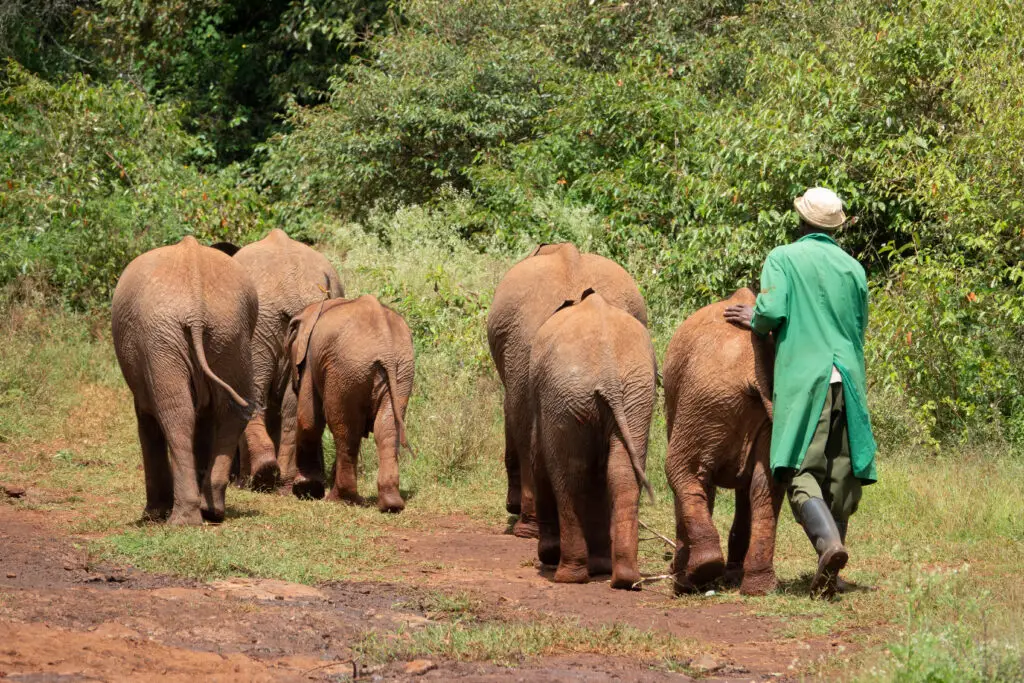
The Sheldrick Wildlife Trust is one of Africa’s most established and respected conservation organisations. It is best known for its pioneering Orphans’ Project, the world’s first and most successful elephant orphan rescue and rehabilitation programme. This initiative has raised more than 320 orphaned elephants and rewilded them back into protected habitats.
Beyond elephants, the Trust also rescues and rehabilitates endangered black rhinos. It protects a wide range of wildlife through anti-poaching units, veterinary care, and habitat conservation across Kenya. Through their tireless efforts, the Trust has become a model for similar initiatives worldwide, inspiring conservationists and animal lovers alike.
The Trust operates in various ecosystems across Kenya, adapting its strategies to address the unique challenges faced by wildlife in different regions. For instance, in the Amboseli region, the Trust collaborates with local communities to implement conservation strategies. These strategies not only protect wildlife but also promote sustainable tourism, benefiting both the animals and the people living in the area.
This holistic approach has proven essential in reducing human-wildlife conflict. It ensures that communities see the value in protecting their natural heritage.
Additionally, the Trust has been instrumental in raising awareness about the plight of Kenya’s wildlife through educational programs. These initiatives aim to teach children and adults alike about the importance of conservation and biodiversity.
By fostering a sense of responsibility and stewardship, the Trust is cultivating a new generation of conservation leaders who will continue the fight to protect Kenya’s wildlife.
AOL partners with the Sheldrick Wildlife Trust because it embodies the conservation pillar of the AOL 50% Impact Model. It offers customers a powerful way to connect with Kenya’s wildlife and wild spaces.
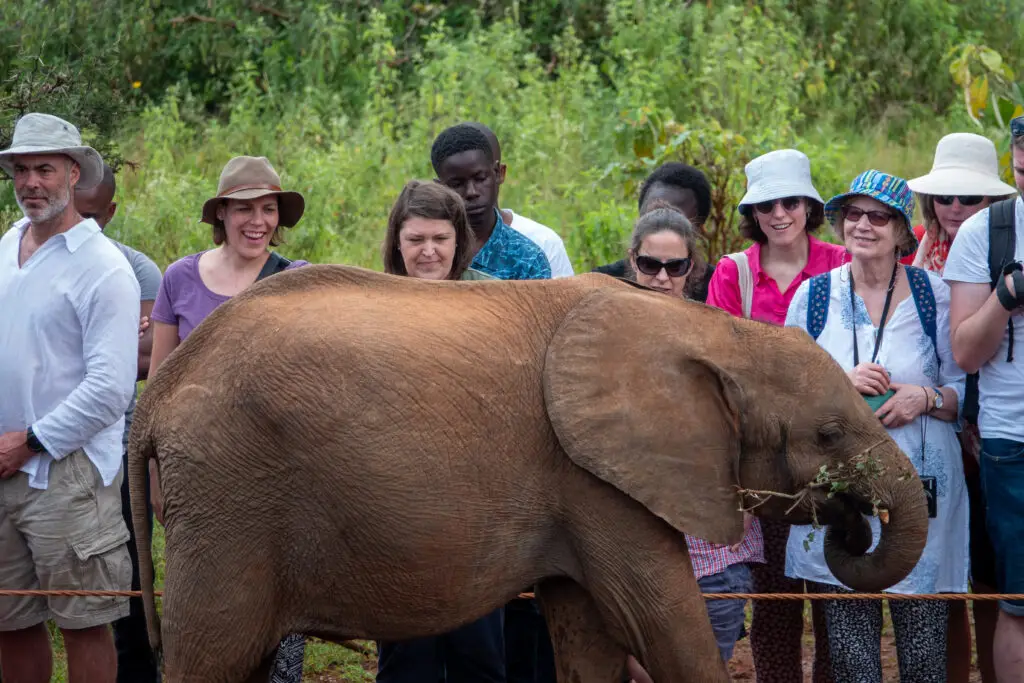
Through this partnership, AOL supports the rescue and rehabilitation of orphaned elephants and rhinos, anti-poaching efforts, and the protection of critical habitats. This collaboration not only provides essential funding but also amplifies awareness about the threats faced by these magnificent creatures.
For customers, it is an opportunity to experience Kenya not only through its landscapes and safaris but through the people and programmes working every day to ensure that elephants, rhinos, and other wildlife have a future.
The impact of this partnership has reached far beyond the immediate benefits to wildlife, as it has also fostered community engagement and support for conservation efforts.
Through various campaigns and social media outreach, AOL and the Sheldrick Wildlife Trust have successfully engaged a global audience. They have raised funds and awareness to support ongoing conservation projects.
Events like the annual ‘Elephant Orphanage Gala’ have drawn international attention, showcasing stories of individual elephants and the challenges they face. These events not only raise crucial funds but also create a sense of community among supporters, inspiring them to contribute to the cause.
The Trust was founded in 1977 by Dr Dame Daphne Sheldrick DBE in memory of her late husband, David Sheldrick MBE, the founding warden of Tsavo East National Park. For decades, Daphne and David lived and worked in Kenya’s wilderness.
They raised and rehabilitated orphaned wildlife and protected ecosystems. Daphne became the first person in the world to successfully hand-rear a milk-dependent elephant and rhino, developing the knowledge and techniques that now underpin the Trust’s life-saving work.
After David’s death, Daphne continued their shared vision, building the Trust into a global leader in wildlife conservation. Her dedication and innovative approaches have reshaped wildlife rehabilitation practices worldwide, earning her numerous accolades and respect from conservationists.
Daphne Sheldrick’s impact extends beyond her immediate work with elephants and rhinos. She has also been a pivotal figure in international conservation discussions, advocating for policies that protect wildlife habitats.
Her efforts ensure that local communities benefit from conservation. Her legacy is not only in the countless animals she has saved but also in the systemic changes she has championed to ensure a sustainable future for Kenya’s wildlife.