Climb Mount Kilimanjaro
Climbing to the top of Kilimanjaro is a challenge that should not be underestimated. To be successful, you need a team that knows how to safely push you to your absolute limit. With a summit success rate of 98%, a 100% safety record, and a team of experienced local & western guides, we can’t wait to stand on the Roof of Africa with you.
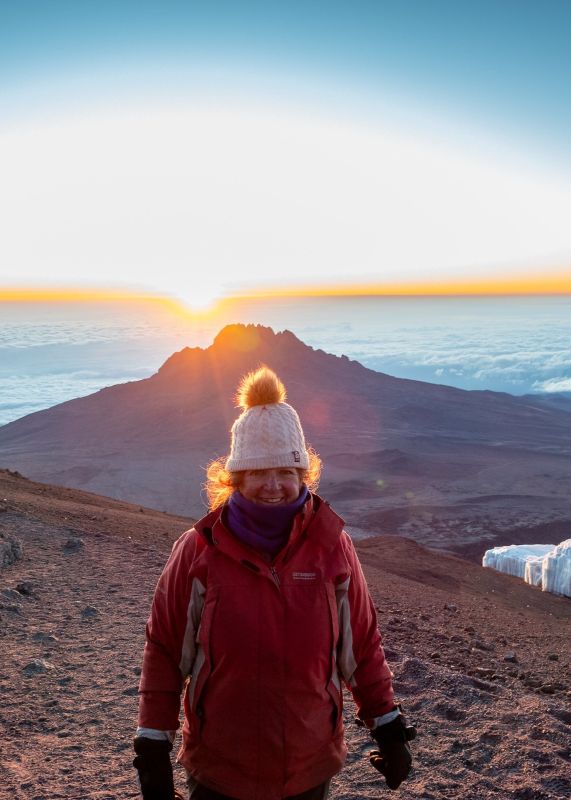
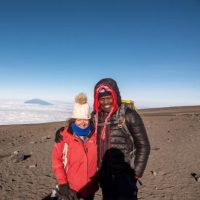
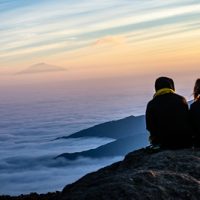
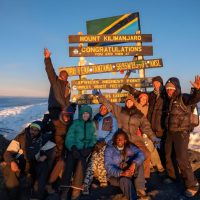
Feel the crunch of fresh snow under your boots as you slowly approach the summit of Africa’s highest peak – Mt Kilimanjaro! A little breathless, you take a break to look down at the endless African Savanah below. Lit by the soft glow of the best sunrise you’ve ever seen, you stand in awe, a little overwhelmed by the cold, the stunning views, and the sense of achievement of having just summited the highest free-standing mountain in the world.
Are you ready for a journey of self-discovery, to push your limits, achieve great feats, and make new friends from around the world? Join one of our unforgettable Kilimanjaro treks today.
Mt Kilimanjaro - Trekking Routes
We can run Kilimanjaro Treks any day of the year. No matter when you want to start your Kili trek, we’ll make it happen for you.
- 98% summit success rate!
- Sleep on comfortable thick sleeping mats
- Fresh, delicious and healthy meals
- Expert guides & premium gear
- Local porters employed to support the community
- Acclimatization days included for success
All of our Kilimanjaro treks come with an experienced support crew, deluxe meals, comfortable mattresses, 4-season tents, a waterproof duffel bag, and all the pre-trek support you need to make sure you’re ready to tackle the highest free standing mountain in the world.
Upcoming Mt Kilimanjaro Group Treks
Group treks are a great way to meet new people, and share an unforgettable experience. You’ll make new friends, challenge yourself, and be awed by the wildlife, and natural beauty of the region, the people, and the mountain itself.
January 2027
June 2027
Machame Route (Cheapest)
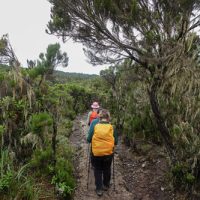
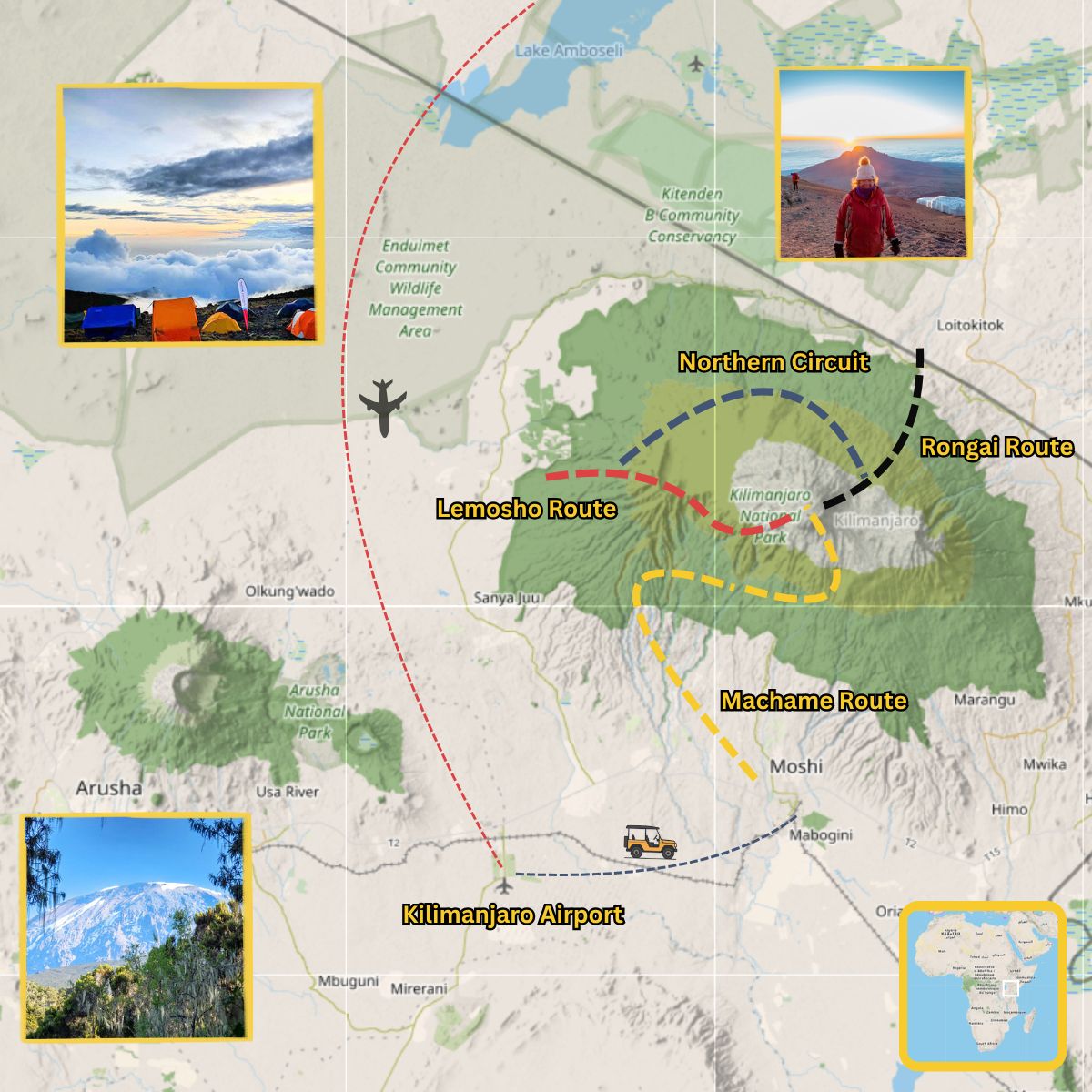
Our Machame Route climb is the most popular and successful way to summit Mount Kilimanjaro, and it has been our go-to itinerary for over 15 years. Known as the “Whiskey Route,” Machame offers the perfect balance of scenery, acclimisation, and summit success, taking you through five distinct ecosystems over seven incredible days.
With a success rate of over 95%, the Machame Route is widely regarded as the best Kilimanjaro route for both beginners and experienced trekkers. It is a non-technical climb with a steady, well-paced ascent profile that maximises your chances of reaching Uhuru Peak while still delivering a true sense of adventure. Descent is via the Mweka Route.
Not ready to book? Make a no obligation enquiry
Lemosho Route (Good All-Rounder)
The Lemosho Route offers a quieter and more gradual way to climb Mount Kilimanjaro, starting on the remote western slopes before joining the Machame Route around day four. The 8 day itinerary includes an extra acclimatisation day, helping to maximise summit success while giving you more time to adjust to the altitude. Like Machame, it follows a proven ascent profile and consistently achieves a success rate of over 95%, making it an excellent option for those wanting a longer, better-paced climb.
The 9 day Lemosho Route builds on this with an even more immersive high-altitude experience, adding two additional acclimatisation days and the rare opportunity to overnight in the crater before reaching the summit. This allows time to explore the glaciers, ash pit and surrounding landscapes, offering a side of Kilimanjaro that few climbers see. Summit day also begins later, around daylight rather than in the dark, creating a completely different and unforgettable ascent. Descent is via the Mweka Route.
Not ready to book? Make a no obligation enquiry
Northern Circuit (Longest & Quietest)
The Northern Circuit Route is the longest and most remote way to climb Mount Kilimanjaro, following the Lemosho approach before circling around the rarely visited northern slopes of Kibo. This trek offers a far more isolated experience before reaching the summit via School Hut and Gilman’s Point. The result is a climb that delivers constant variety, with each day revealing completely different landscapes, from dense rainforest to alpine desert and wide-open high-altitude plains.
This route stands out for its combination of low traffic, diverse scenery and excellent acclimatisation. You will cross the Shira Plateau, take in sweeping views toward Kenya and even pass above the fringes of Amboseli, where there is a small chance of spotting wildlife such as elephant, buffalo or antelope moving along the lower slopes. With a strong “climb high, sleep low” profile, the Northern Circuit offers one of the highest summit success rates on Kilimanjaro, while avoiding the crowded camps and busy trails found on more popular routes. Descent is via the Mweka Route, making the summit push on the Northern Circuit longer & harder than Lemosho or Machame.
Not ready to book? Make a no obligation enquiry
Rongai Route (Most Difficult)
The Rongai Route approaches Mount Kilimanjaro from the quieter northern side near the town of Loitokitok, offering a more remote and less crowded climbing experience. It is the only route that starts from this side of the mountain, with a steady and relatively gradual ascent through drier landscapes. For the final push to the summit, trekkers join the Kibo Hut route, either at the huts themselves or just below Hans Meyer Cave at around 5,000 metres.
The standard trek can be completed in 5 – 6 days, offers poor acclimatisation opportunities and low success rates. Our itineraries include a detour to Mawenzi Tarn, camping beneath the dramatic Mawenzi peak, which extends the climb to 7 – 8 days. Descent is typically via the Marangu Route, giving you a varied experience of Kilimanjaro’s different landscapes on both ascent and descent.
Not ready to book? Make a no obligation enquiry
Have a question about trekking Mt. Kilimanjaro?
We're here to help!
Climbing Mt Kilimanjaro pairs well with these other activities:
Mt. Kilimanjaro Trekking FAQs
Route Information
What is the Marangu route?
The Marangu route is the only route with huts. We do not sell this route because:
- Treks are shorter than 7 days.
- The acclimatisation profile is inferior to Machame, Lemosho, Rongai & Northern Circuit.
- The huts are less comfortable than camping.
What is the Umbwe route?
The Umbwe route is the shortest route, mostly used by professional mountaineers wanting to break the ascent record.
What is the Western Breach route?
The Western Breach represents exactly the kind of raw, untamed Kilimanjaro experience that speaks to our spirit. Unfortunately, the volcanic headwall is in a constant state of instability due to thawing glaciers. As a result, large rocks often come hurtling down without notice, and even experienced mountaineers have died on this route. No helmet, pre-dawn start time, or amount of experience can fully protect a person from a mountain that sheds its own walls. Our commitment to bringing you home safely means we unfortunately cannot sell this route.
What is the Shira route?
The Shira Route on Mount Kilimanjaro begins unusually high at around 3,500 meters, which increases the risk of altitude sickness before climbers even have a chance to acclimatize properly. While it offers breathtaking views across the Shira Plateau, these same views can be seen on the Lemosho route without the rapid gain in elevation.
What is the Mweka route?
The Mweka route is used exclusively as a descent and re-stocking route due to poor acclimatization opportunities. It is a steep and direct route down Mt Kilimanjaro, on your way to a hot shower and warm bed.
General & Medical Questions
What do I pack for my Kilimanjaro trek?
Download our comprehensive Kilimanjaro packing list or watch our Kilimanjaro packing video for everything you need to know about packing for Kilimanjaro.
Will a guide check my Kilimanjaro gear before I start my trek?
When you trek Kilimanjaro with us, our team of experienced guides will personally check your gear the day before your trek. We do this to make sure you have the right gear to ensure you will be comfortable, warm and safe during your trek. If you need extra gear, we will take you to a hire shop.
Can I hire my gear for Kilimanjaro to save money?
Hiring gear in Tanzania is cheap and easy and it is a good way to cut costs. There are a few essential items you should not hire which are clearly highlighted in our packing list and in our blog: Essential Kilimanjaro gear you must buy. To find out more about hiring your Kilimanjaro gear, read our blog: Everything you need to know about hiring your Kilimanjaro gear.
How fit do I need to be to trek Kilimanjaro?
At a minimum, you should be able to complete 1 hour of high-intensity exercise before your trek (i.e. a 1 hour run or gym class). Alternatively, make sure you can comfortably trek for 4 – 5 hours on consecutive days by attempting a smaller multi-day hike before your trek.
When should I start training for Kilimanjaro?
You should start training at least 6 months prior to climbing Kilimanjaro.
How do I train for Kilimanjaro?
The best way to train for Kilimanjaro is to focus on conditioning the muscles you will be using during your Kilimanjaro trek. The best way to do this is by doing multi-day treks, walking up and down stairs and building your leg, glute, core and back muscles. It is important to avoid injury by not pushing too hard, gradually increasing your training sessions, and regularly stretching or doing yoga to stay flexible.
Does fitness guarantee success on Kilimanjaro?
No! Fitness will help ensure you are less sore during and after your trek but it does not guarantee success. Kilimanjaro is more about effectively acclimatising to altitude than fitness.
What causes altitude sickness?
Altitude sickness is a result of the air getting thinner as you ascend, making it harder to absorb as much oxygen as you easily do at sea level. As your oxygen levels decrease, your body starts to prioritise essential functions, by shutting down other functions, in order to survive. To find out more, read our blog: What is altitude sickness?
What are the common symptoms of altitude sickness?
The Marangu route is the only route with huts. We do not sell this route because:
- Treks are shorter than 7 days.
- The acclimatisation profile is inferior to Machame, Lemosho, Rongai & Northern Circuit.
- The huts are less comfortable than camping.
How can I prevent altitude sickness?
The best way to prevent altitude sickness is to purchase a 7 or more-day Kilimanjaro trek. Adding extra days gives your body time to acclimatise by producing more red blood cells. To find out more, read our blog: Everything you need to know to manage altitude sickness on Kilimanjaro.
Can I take drugs to prevent altitude sickness?
Acetazolamide (Diamox) can be used to reduce the effects of altitude sickness and periodically help breathing. We recommend you consult a doctor before taking Diamox as some people are allergic. Painkillers can also be effective in easing your headache, but they won’t treat the condition.
What are the treatments for altitude sickness?
It is better to prevent altitude sickness than to try to treat it. Therefore, you should always follow these golden rules:
- If you feel unwell, you have altitude sickness until proven otherwise.
- Do not ascend further if you have symptoms of altitude sickness.
- If you are getting worse then descend immediately.”
How do I train for altitude on Kilimanjaro?
Unless you live somewhere that is above 2,500m, you can’t effectively train for altitude. The best way to increase your chances of successfully summiting Kilimanjaro is to give your body time to acclimatise. This means buying a 7 or more-day trek. Altitude gyms and masks may help but they are expensive and there is no scientific evidence to prove they work.
Do I need to tip on Kilimanjaro?
There is a tipping culture on Kilimanjaro and your support crew will expect that you tip. To find out more, read our blog: How much do I tip on Kilimanjaro. We will provide a tipping guide which clearly outline how much you should tip when you join one of our treks.
How does Adventure Out Loud keep me safe on Kilimanjaro?
Here are a few of the ways we keep you safe on Kilimanjaro:
- We only offer 7 – 10 day treks that include additional acclimatisation days, anything shorter is dangerous and should be avoided.
- Our head guide, Robert Woiso (Bobby) has been climbing Kilimanjaro since 2005.
- We have a safety over summit policy and we will not risk your safety, or the safety of our team, to summit. We will turn you around before it becomes dangerous and uncontrollable.
- Our team inspect every participant’s equipment before we begin our trek. Where required, we will find and hire additional equipment to ensure you’re safe.
- Our guide and porter team is experienced at managing altitude risks and keeping you safe.
- Our team has a direct line to the Intensive Care Air Ambulance and they carry oxygen that is easily accessible in case of an emergency.
- We complete twice daily vital health recordings to monitor your symptoms.
- At the start and end of each day we discuss the following day and what is required of you so you are well informed.
What is the best hospital around Kilimanjaro?
Kilimanjaro Christian Medical Centre has a team of highly qualified doctors who are experienced with treating patients suffering from altitude sickness. Equally important, the hospital is clean, modern and safe. Visiting a hospital is a back-up plan though, when you travel with us, our goal is to ensure we manage your alittude symptoms so that you don’t need to go to hospital.