Budget Safaris in Africa: What to Look Out For Before You Book
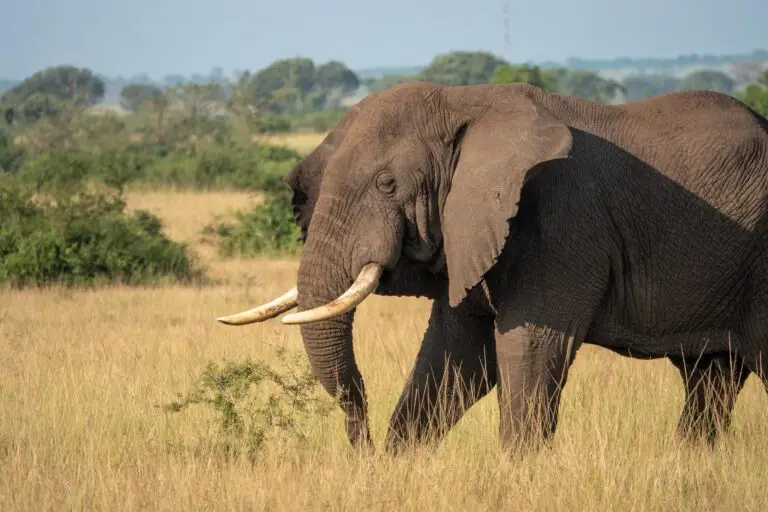
You are scrolling through photographs of elephants crossing the Serengeti at golden hour, a leopard resting on an acacia branch and lions moving through the grass as the sun sets. Then you check the prices of some of the lodges and camps, and suddenly that dream budget safari in Africa feels a little further away. But budget safaris in Africa do not have to come with a luxury price tag.
But a budget safari in Africa does not have to come with a luxury price tag. Budget safaris in Africa can provide amazing wildlife experiences. The wildlife does not discriminate between a five-star lodge and a tent under the stars. The elephants still cross the road, the lions still roar at night, and the African sky is just as spectacular when you are watching it from a campsite. There is, however, an important distinction between an affordable budget safari in Africa and a cheap deal that compromises the experience. A lower price might mean simpler accommodation, shared transport, or fewer extras. Those are perfectly reasonable trade-offs. It becomes a problem when savings come at the expense of safety, responsible wildlife viewing, or the time you actually spend in the national parks. Knowing what to look for before you book a budget safari in Africa can help you avoid disappointment and get far more from your money.
How Much Does a Budget Safari in Africa Cost?
The first thing to understand is that safari prices vary considerably by destination, season, accommodation, group size and itinerary.
As a broad planning guide, a budget guided safari may cost approximately US$150 to US$350 per person per day in some destinations. Some simpler camping trips can cost less, while safaris in expensive destinations or during peak season can cost considerably more.
These figures are indicative rather than guaranteed rates. Always compare current quotations for similar itineraries and check whether park fees, meals, accommodation and transport are included.
For context, mid range safaris often cost several hundred dollars per person per day, while luxury experiences can run into thousands.
If you find a package advertised for US$50 per day, do not automatically assume it is a scam. It might be a short excursion, a self drive arrangement or a price that excludes major expenses. However, if it claims to cover a fully guided, multi day safari with accommodation, meals, transport and park fees, ask for a detailed breakdown before paying.
Understanding the costs associated with budget safaris in Africa is crucial for planning your adventure.
For those considering budget safaris in Africa, understanding the costs associated with them is crucial for planning your adventure. This guide to budget safari in Africa tips covers the costs, hidden expenses, warning signs, and practical decisions that can make the difference between an ordinary trip and an unforgettable wildlife adventure.
The costs of budget safaris in Africa can vary greatly depending on factors such as destination, group size, and time of year.
The costs of budget safaris in Africa can vary greatly depending on factors such as destination, group size, and time of year. However, budget safaris in Africa should always be approached with careful planning.
Budget safari costs by country
When it comes to budget safaris in Africa, your destination can make as much difference to your budget as your accommodation choice.
Your destination can make as much difference to your budget as your accommodation choice.
South Africa
South Africa is one of the strongest options for travellers seeking affordable wildlife experiences. Excellent road infrastructure, a wide choice of accommodation and accessible self drive parks make it possible to manage costs independently. Private game reserves and guided luxury safaris can still be expensive, but you have considerable flexibility.
Namibia
Namibia is particularly attractive for self drive travellers. You can combine camping, independent road travel and visits to national parks such as Etosha. However, long distances, vehicle hire and the cost of a suitable four wheel drive vehicle can add up.
Kenya
Kenya offers outstanding wildlife viewing, from the Maasai Mara to Amboseli and Tsavo. Budget group camping safaris can be more accessible than luxury lodge itineraries, but conservation fees, transport distances and accommodation choices all influence the final price.
Tanzania
Tanzania offers iconic experiences in the Serengeti and Ngorongoro Crater. However, park and conservation fees can make even a relatively simple itinerary expensive. A lower advertised price deserves particular scrutiny if these fees are excluded.
Botswana
Botswana is renowned for exceptional wildlife and wilderness experiences, but it is generally a more expensive safari destination. Remote camps, transport logistics and accommodation costs can make keeping to a tight budget challenging.
The important lesson is that the cheapest destination is not necessarily the one with the lowest advertised package. Compare the total cost of the experience you want, including flights, transport, park fees and accommodation.
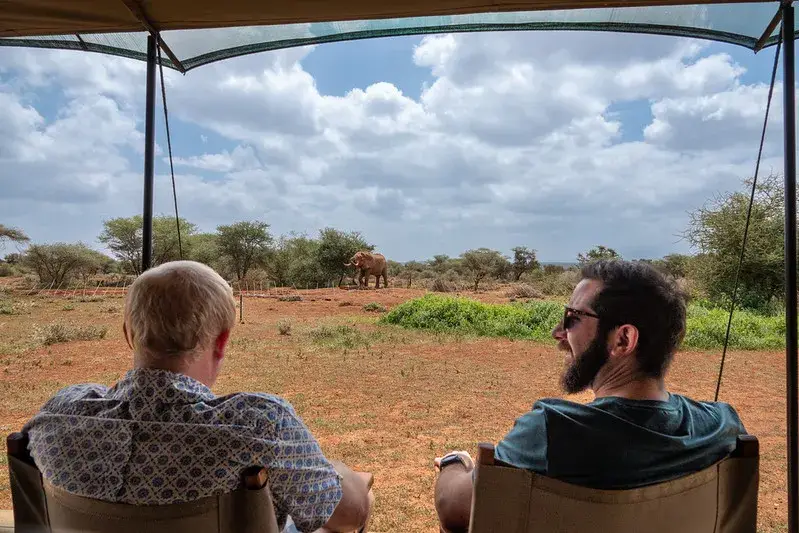
Researching different countries can help you find the best budget safaris in Africa that fit your needs and expectations.
Whether you choose South Africa or Kenya, budget safaris in Africa offer diverse options for wildlife experiences that won’t break the bank.
What Is Included in a Budget Safari Package?
One of the most useful budget safari Africa tips is to look beyond the headline price. Two packages can appear similar online but deliver very different experiences once you account for what is included.
What is commonly included?
Depending on the itinerary, a budget safari package may cover:
Transport in a safari vehicle or tour vehicle.
A driver guide or professional safari guide.
Camping or budget accommodation.
Some or all meals.
Scheduled game drives.
Selected activities and excursions.
Park entry and conservation fees, where expressly stated.
Never assume that all these items are included simply because the package is advertised as all inclusive.
What is commonly excluded?
The following expenses often fall outside the advertised price:
International flights and applicable airport transfers.
Visas and travel documentation.
Travel insurance and medical preparations.
Tips for guides, drivers and camp staff.
Drinks, snacks and meals not covered by the itinerary.
Optional activities, such as hot air balloon safaris.
Domestic flights or transfers between destinations.
Accommodation before or after the tour.
Single supplements for travellers who cannot share a room or tent.
Personal expenses and some equipment rentals.
A reputable operator should provide a clear written breakdown of inclusions and exclusions before you pay a deposit.
If you have to keep asking what the price covers, or the answers keep changing, consider looking elsewhere.
Be aware of what is included in your budget safari in Africa package to avoid unexpected costs.
Being aware of what is included in your budget safari in Africa package is essential to avoid unexpected costs and ensure a fulfilling experience.
The Hidden Costs of an African Safari
Even a well priced safari can stretch your budget if you have not planned for the additional expenses.
Tips. Tipping practices vary by country, operator and level of service. As a planning allowance, you might set aside US$10 to US$25 per person per day for tips, depending on the trip and how many staff members you are tipping. Ask your operator for local guidance and clarify whether any service charges are already included.
Gorilla trekking permits. If you are combining a safari with gorilla trekking in Uganda or Rwanda, permits can add substantially to your costs. Government rates and eligibility rules can change, so confirm the current fee directly with the relevant wildlife authority before booking.
Peak season surcharges. July to October is a popular period for many East African safari itineraries. Demand for accommodation and vehicles can push prices up, particularly around the Great Migration. Rates also vary according to the specific location and wildlife season.
Park and conservation fees. These can represent a substantial part of your budget, particularly in Tanzania. Confirm the fees for every park on your itinerary and whether they are included in your quotation.
Domestic flights and transfers. Flying between safari destinations can save hours of driving, but the convenience comes at a cost. Road transfers may be cheaper, although they can involve long journeys and less time for game viewing.
Currency and payment charges. Foreign transaction fees, card surcharges and exchange rate differences can add up. Check which currencies are accepted and whether the operator charges extra for particular payment methods.
Travel insurance and medical preparation. Insurance, vaccinations and other health preparations depend on your home country, destinations and individual circumstances. Choose insurance that covers the activities on your itinerary and emergency medical evacuation where appropriate.
A useful rule is to prepare a complete trip budget before comparing operators. The advertised package price is only one part of the cost.
Even the best budget safaris in Africa come with considerations on timing and planning for optimal experiences.
Planning for the hidden costs of budget safaris in Africa will help ensure a smooth trip and a satisfying adventure.
Budget Safari Red Flags and Green Flags
The operator you choose can have a greater influence on your experience than the accommodation category.
Here is what to look out for when comparing cheap safari Africa packages.
Red flags to avoid
1. Prices that cannot be explained. A low price is not automatically suspicious, but the operator should be able to explain how the itinerary works at that rate. Ask whether the price includes park fees, accommodation, meals, fuel and guiding.
2. Vague inclusions. Phrases such as “meals included” or “game drives provided” leave too much room for interpretation. Ask for a day by day itinerary and a written list of what you will pay for separately.
3. Unverifiable reviews. Look for recent reviews on independent platforms, including SafariBookings and TripAdvisor. Read the actual comments rather than relying on star ratings alone. Pay attention to recurring complaints about vehicles, guides, communication or unexpected charges.
4. Overcrowded vehicles. Ask how many guests will share the vehicle, whether everyone has a proper seat and whether a pop up roof or suitable viewing windows are available. Six passengers may work well in one vehicle, while a different vehicle design may make the same group size uncomfortable.
5. Unclear accommodation arrangements. Staying outside a park can be a sensible way to save money. The problem is when the operator does not disclose the location or the additional travel time needed to reach wildlife viewing areas.
6. No evidence of professional accountability. Depending on the destination, look for relevant industry memberships, licences and business registration. Examples include the Kenya Association of Tour Operators (KATO), Tanzania Association of Tour Operators (TATO), and Southern Africa Tourism Services Association (SATSA). Membership alone does not guarantee quality, so verify credentials and ask about safety procedures.
7. Pressure to pay immediately. Be cautious if an operator refuses to answer reasonable questions, pushes you to transfer money urgently or provides no clear booking terms, cancellation policy or receipt.
8. Park fees missing from the headline price. A package may appear much cheaper because major government fees have been left out. Ask for the full amount payable, including applicable taxes and levies.
Green flags that inspire confidence
A trustworthy safari operator should be willing to provide:
A detailed itinerary and transparent pricing.
Clear terms for deposits, cancellations and refunds.
Recent, independently verifiable customer reviews.
Appropriate licences and relevant professional credentials.
Experienced guides who know the destinations.
Information about vehicle condition, group size and accommodation.
A written safety policy and emergency procedures.
A responsible wildlife viewing policy.
A good operator will also ask questions about your interests, budget, travel dates and expectations before recommending an itinerary. They should help you understand the trade offs rather than simply sell you the cheapest package.
Look for reputable operators who specialize in budget safaris in Africa to enhance your experience.
Look for reputable operators who specialize in budget safaris in Africa to enhance your experience and investment.
Beyond the Price Tag: Eight Things That Shape Your Safari Experience
A price comparison only tells part of the story. Before booking, consider these eight factors that can significantly influence your experience.
1. Where will you actually go?
Some itineraries spend considerable time travelling to and from park entrances or focus on areas that are convenient for the accommodation. This does not automatically mean poor wildlife viewing, but it can affect how much time you spend exploring.
Ask your operator which parks and areas you will visit, how long the transfers will take and how many hours are allocated to game drives.
2. How many people share the vehicle?
Shared safaris reduce costs by spreading transport and guide expenses across several travellers. However, a full vehicle can mean less flexibility when viewing wildlife.
Ask about the maximum group size, seating arrangements and whether you are guaranteed a window seat.
3. What condition is the vehicle in?
Your safari vehicle is your transport, viewing platform and, in remote areas, an important part of your safety arrangements.
Ask whether the operator uses purpose built safari vehicles, how they maintain them and what happens if a vehicle breaks down. Recent photographs of the actual vehicles can help you assess the setup.
4. Who is guiding you?
An experienced guide does much more than drive between sightings. They interpret animal behaviour, identify species, understand local ecosystems and help you appreciate what is happening around you.
Ask about the guide’s experience in the parks you will visit, their qualifications where applicable, and whether guiding is included throughout the itinerary.
5. What is the accommodation really like?
Budget accommodation ranges from well run campsites and simple guesthouses to comfortable tented camps. Lower prices do not necessarily mean poor facilities.
Check recent photographs and reviews, bathroom arrangements, access to clean water, mosquito protection and security procedures. In unfenced camps, ask how guests are kept safe when wildlife moves through the area.
6. Are meals and drinking water covered?
Food quality and water arrangements can affect both your comfort and your budget.
Ask which meals are provided, whether drinking water is supplied, and whether dietary requirements can be accommodated. If meals are not included, establish realistic daily costs before travelling.
7. What happens in an emergency?
Remote wildlife areas can have limited mobile coverage and long distances to medical facilities.
Ask about communication equipment, vehicle recovery, emergency contacts and evacuation arrangements. Make sure your travel insurance covers the activities you intend to undertake and any required medical evacuation.
8. How does the operator treat wildlife?
Responsible wildlife viewing should be part of the experience, not an optional extra.
Ask how guides respond when several vehicles gather around an animal, whether they follow park rules and how they avoid disturbing wildlife. Be wary of operators who promise guaranteed sightings or encourage unsafe approaches, off road driving where prohibited, or persistent animal chasing.
Affordable wildlife tours in Africa can offer excellent value while supporting local employment and conservation. The goal is to save money on unnecessary extras, not on the standards that make a safari safe, rewarding and responsible.
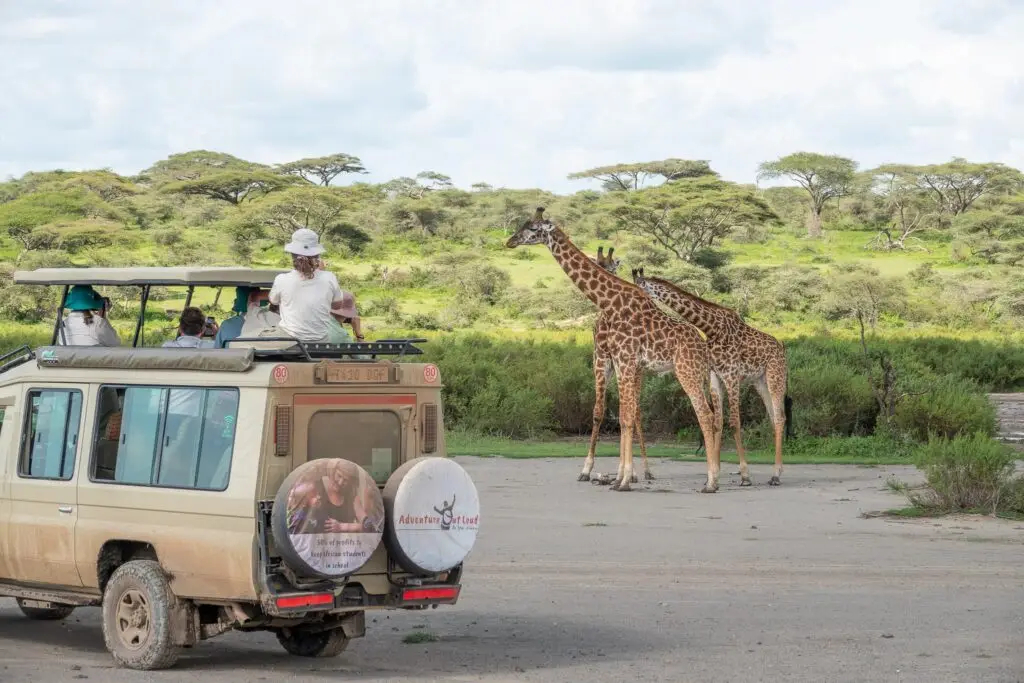
Understanding the factors influencing budget safaris in Africa can enhance your planning process and lead to a better experience.
Group Safari vs Private Safari: Which Offers Better Value?
The answer depends largely on how many people are travelling together and how much flexibility you want.
Group safaris spread vehicle, guide and transport costs across several travellers. They are often the most affordable option for solo travellers and couples, although you will share the itinerary and game viewing time with other guests.
Private safaris give your party exclusive use of a vehicle and guide. They generally cost more for one or two people, but the difference can narrow when three to six people share the costs.
As a starting point:
One or two travellers: Compare group departures first.
Three or four travellers: Request both group and private quotations.
Five or six travellers: A private safari may offer competitive per person pricing.
Families and groups of friends: Private travel can provide greater flexibility around stops, interests and pace.
These are guidelines rather than fixed rules. Vehicle rates, accommodation, park fees and group departure schedules can change the calculation.
It is also worth remembering that private does not mean luxury. You can book a private safari with budget accommodation and road transfers. The distinction is who shares the vehicle, not necessarily where you sleep.
How to save money on a private safari
Travel with friends or family to share fixed costs.
Compare shoulder season and off peak rates.
Choose road transfers where they make financial and practical sense.
Combine affordable camps with one special accommodation experience.
Spend longer in fewer destinations instead of paying for frequent transfers.
Avoid unnecessary one night stops.
Ask whether a private departure is cheaper than joining a scheduled group for your particular dates.
Group size and flexibility will impact your choice between group and private budget safaris in Africa.
When to Go for the Best Budget Safari Deals
When to go for budget safaris in Africa can significantly affect pricing and your wildlife viewing opportunities.
East Africa: Kenya and Tanzania
July to October is a popular period for many northern Tanzania and Maasai Mara itineraries, partly because of the dry season and Great Migration viewing opportunities.
November to June offers a broader range of experiences, with potentially lower rates in some periods. The long rains, generally around March to May in much of the region, can bring lush landscapes and fewer visitors, but heavy rain may affect road conditions and travel plans.
November and parts of March and June can offer attractive combinations of scenery, wildlife and pricing, depending on the destination and year.
Remember that the Great Migration is a moving wildlife event, not a fixed spectacle scheduled for one date. The best location depends on the herds’ movements and seasonal rainfall.
Southern Africa: South Africa, Namibia and Botswana
June to October is a popular dry season for wildlife viewing in many Southern African parks, when animals often congregate around remaining water sources.
November to April is generally warmer and wetter in many areas. Landscapes become greener, birdlife can be excellent, and some operators offer lower rates. However, rain, vegetation and seasonal road conditions can affect sightings and accessibility.
Booking tips
Compare rates across different travel months.
Book early if you have fixed dates or want a popular camp during peak season.
Confirm availability before purchasing non refundable flights.
Check school holidays in both your home country and destination.
Compare the total cost of flights and accommodation, not just the safari package.
Ask about cancellation terms and what happens if seasonal conditions affect the itinerary.
The best value comes from matching the season to the experience you want, rather than chasing the lowest price at any cost.
Consider the value of private budget safaris in Africa for a more tailored experience.
Timing your budget safari in Africa can lead to significant savings and better wildlife visibility.
Can You Do a Self Drive Safari on a Budget?
Absolutely. In the right destination, self driving can be one of the most affordable ways to experience African wildlife.
South Africa is particularly accessible for independent travellers. Established road networks, self catering accommodation and national parks with self drive routes make it possible to manage many aspects of the trip yourself. Kruger National Park, Addo Elephant National Park and Pilanesberg are among the options worth researching.
Namibia is another strong choice, especially for travellers comfortable with long distances and gravel roads. Etosha National Park has self drive routes, while camping can help reduce accommodation costs. However, vehicle hire, fuel and travel distances need to be factored into the budget.
Botswana offers self drive opportunities, but remote routes may require a suitable four wheel drive vehicle, careful preparation and experience with challenging terrain. Vehicle rental, campsites and park fees can make it expensive despite the absence of a guide.
Before choosing self drive, calculate the full cost of vehicle hire, fuel, insurance, park fees, accommodation and equipment.
There is also a trade off. Without an experienced guide, you may miss wildlife that is difficult to spot or overlook the behaviour and ecological details that bring a sighting to life.
For first time safari travellers, a guided group safari can sometimes deliver better value, even if the initial price is higher.
Self drive budget safaris in Africa can offer independence and unique experiences.
Is a Budget Safari Worth It?
Absolutely, provided you choose carefully. A herd of elephants crossing your path is no less extraordinary because you are staying in a campsite. Watching a lion pride at dusk does not require expensive bedding, and the African night sky is just as remarkable from a tent. What matters is the quality of your guide, the time you spend in the wildlife areas, the condition of your vehicle, and the way the experience is organized. A reputable budget operator can deliver a remarkable safari without unnecessary luxury. The trick is knowing where you are happy to compromise and where you are not. Save on accommodation if you are comfortable with simpler facilities. Share a vehicle if you do not mind travelling with other guests. Travel in a quieter season if you have flexibility. Do not compromise on safety, transparency, or responsible wildlife viewing. With a little research and the right questions, a budget safari in Africa can be every bit as memorable as you imagined.
Ultimately, the value of budget safaris in Africa lies in the experiences they provide.
Ready to Plan Your Budget Safari?
Ready to plan your budget safari in Africa? An unforgettable African safari does not have to cost a fortune. It does, however, deserve a little planning. Understand what is included, account for the hidden costs, ask the right questions, and choose an operator that values your safety, your experience, and the places you have come to explore.