It should come as no surprise that mountaineering is an inherently dangerous endeavor. We face many challenges when we decide to go high; altitude sickness, rock falls, snow/ice conditions, weather, equipment failures to name a few.
Many of these factors can be mitigated through quality equipment, training and an experienced climbing team. There are of course factors that we cannot control such as the weather and terrain conditions. These uncontrollable variables are what force us to rely on our experience or the experience of others to make good decisions and execute risk mitigation strategies in a calm and purposeful manner.
Despite our greatest efforts in all of the above, we will always be faced with dangers, both unforeseen and unavoidable, and it is during these moments that we must deploy our greatest weapon on the mountain, a calm and collective mentality.
Panic kills! When a climb goes wrong, you may only have a split-second to make a good decision. Panic can also affect us in a more gradual manner, leading us to make smaller poor decisions that collectively put us in dangerous situations throughout the duration of our climb.
Panic is often a consequence of a lack of familiarity. Our society on a whole is so risk-averse that often mitigation strategies are designed into the machinery we operate or legislated in the rules that we follow. The result of which is that we are not accustomed to danger and thus not familiar with the feeling of panic.
So how do we deal with this emotion when it ferociously strikes at 5,500m?
The Dangers of Panic
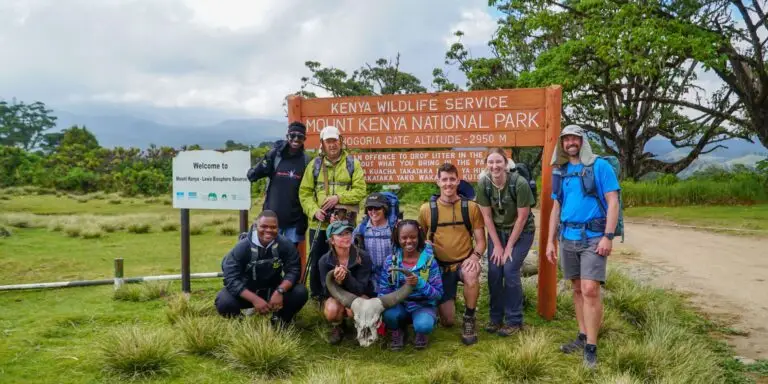
On Mount Kenya to Point Lenana, the highest ground is a mix of steep scree, rocky sections, and residual glaciers. Glaciers here are retreating by about 1 to 2 metres a year, which exposes loose rock and makes some approaches more unstable. In practice that means changing conditions, the need to move early, stay alert, and trust guides who adjust plans to what the mountain is actually doing that day.silverbackgorillatours
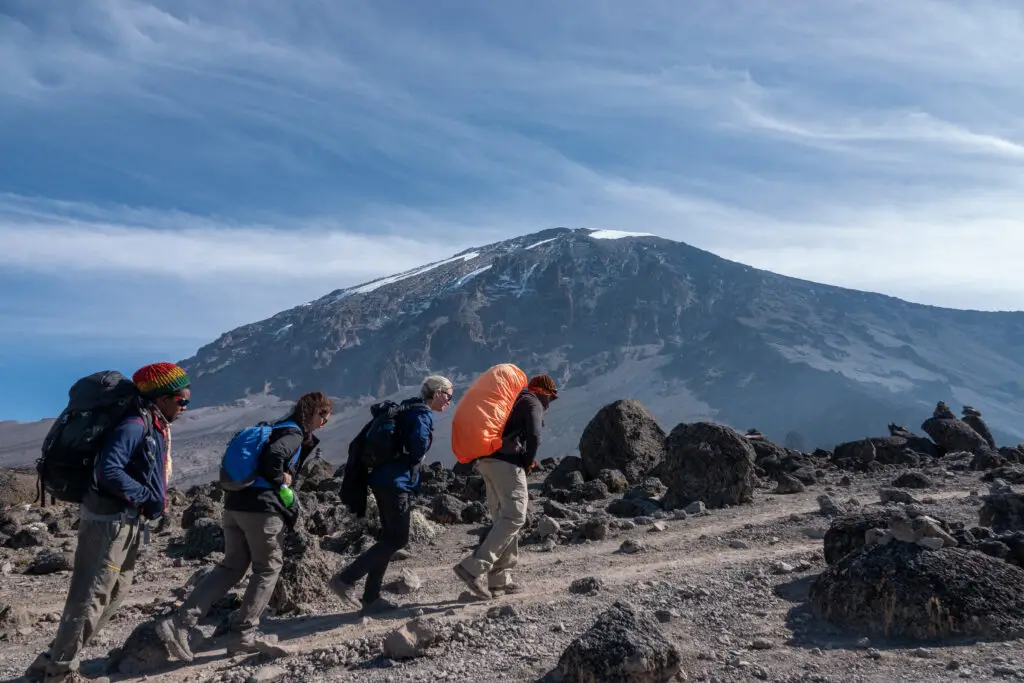
Kilimanjaro adds another layer: long cold nights, snowfields near the summit, and weather that can shift quickly. The best snow and glacier conditions tend to fall in the dry seasons from January to March and June to October, but even then you are dealing with sub zero temperatures, fatigue, and the mental test of a midnight summit push
When things go wrong, we feel that wave of panic (fight or flight) and it is important to try and switch quickly to solutions mode. Another common problem is denial, leading to the disregard of the seriousness of the current situation. Again, one needs to swiftly accept that lives are in danger and switch to solutions mode.
Here are a few things you can do to help mitigate the risk of an accident.
Climbing is a team activity. Everyone’s safety is at risk and your actions in those moments when things go wrong matter – not only to you but to those people in your team as well. You can’t correct bad decisions already made but you can make good ones from that point forward.
Stay safe and happy climbing.