The new heights of over-tourism: Mt Everest Overtourism
It’s the image that took the world by storm. Published on various social media platforms by experienced mountaineer Nirmal Purja, the image depicts a traffic jam of brightly coloured climbers huddled on the narrow ridge waiting to complete their ascent to the summit of the highest peak in the world. This phenomenon has highlighted the urgent discussion around mt everest overtourism, bringing overcrowding to the forefront of the debate.
Trekking and mountaineering tourist numbers to Mt Everest have surged over the past decade, transforming the world’s highest peak into one of the busiest high‑altitude tourist destinations on earth. The alarming rise in annual successful ascents from around 670 in 2013 to roughly 800 in 2018 exemplifies the issue of mt everest overtourism, with record seasons repeatedly pushing those numbers higher. In 2019, a now‑infamous summit window saw queues of more than 200 climbers crowding the southern Nepalese route in a single day, further underlining the challenges posed by mt everest overtourism.
The growing concern of Mt Everest overtourism has sparked discussions among environmentalists and climbers alike about sustainable trekking practices.
The Death Zone
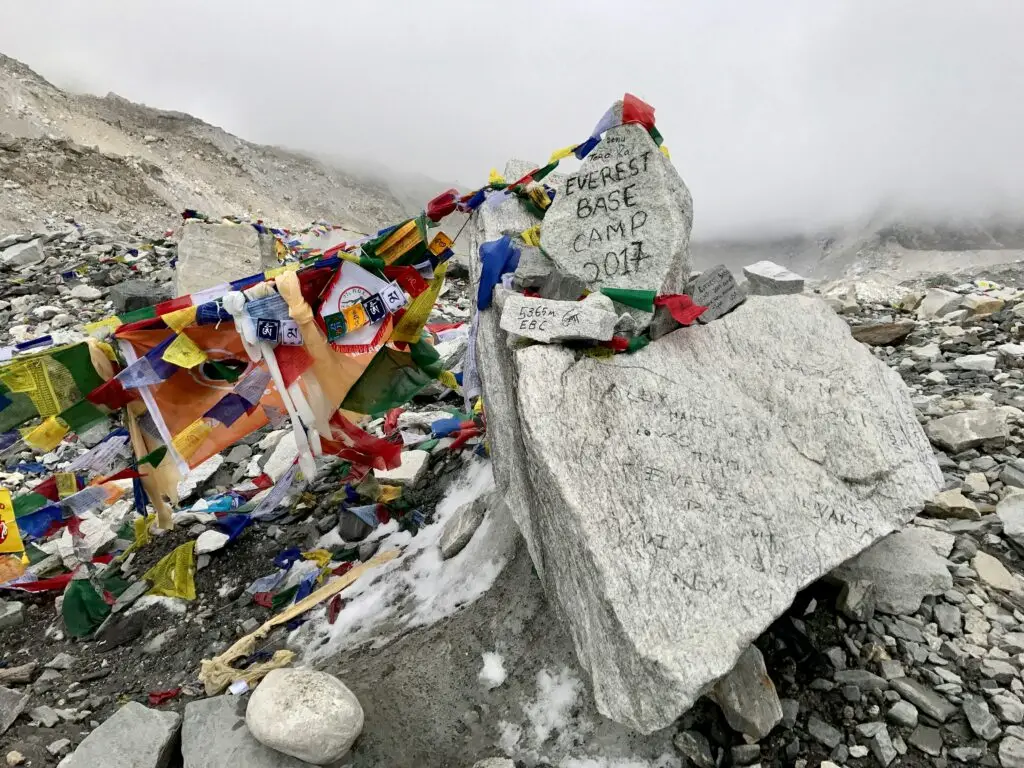
Hiking officials have largely attributed these fatalities to weakness and exhaustion resulting from prolonged time spent in the so-called ‘death zone’, the area of land above 8,000 meters. As its name would suggest, the death zone has such reduced levels of oxygen that the body’s cells begin to deteriorate and ultimately die. Add sub-zero temperatures, high-speed winds, and depleting oxygen tanks and you’ve got a recipe for disaster. Every minute counts in the death zone, and as climbers queue in overcrowded bottlenecks for up to four hours, they waste valuable time, oxygen, and energy, leaving them increasingly vulnerable to exhaustion and hypothermia.
How Did We Get Here?
The tourism industry has been gaining increasing momentum since it’s inception, however after decades of seemingly uncontrollable growth, many argue that a line has been crossed in many international destinations whereby the existence of tourism is proving more problematic than beneficial. Essentially, too many people are flocking to the same cities, landmarks, and natural wonders, and it’s the locals, infrastructure, and environment which are suffering the consequences of such overcrowding.
In the case of Everest, the high-altitude mountaineering experience which was previously reserved for the highly experienced has become overcommercialized and is available to anyone with the money to attempt. Prospective mountaineers merely require a passport and certificate of good health to gain a climbing permit, and with an increasing presence of low-cost operators, the top of the world is now more accessible than ever. As a result of such reduced barriers, Mt Everest is attracting an increasingly inexperienced market whose motivations to summit largely stem from the hope of social media traction, bragging rights, and ticking off a bucket list item.
Death, Degradation and Dependence
Not only does overcrowding on Mt Everest threaten the lives of climbers and Sherpas, but like many destinations grappling with overtourism, its effects are also being felt by the natural environment and local economy. Pollution on Everest is not a new concern, and unsurprisingly, as the number of people exploring its many trails has continually increased, so has the environmental impact of such activities. Despite regulations requiring visitors to leave no trace, each season tonnes of waste is left behind on the mountain, ranging from small plastic items and gas cylinders to tents, sleeping bags, and even corpses. Additionally, up to 12,000 kilograms of human excrement is removed from base camps to decompose in lower valley areas where water supplies often become polluted, therefore threatening the health of local communities.
How can we be better tourists in the age of overtourism?
Yes, Mt Everest is an incredible natural wonder of the world and no, we don’t have to put an end to tourism there altogether. We do, however, need to be conscious of our impacts and make more responsible decisions when it comes to visiting such fragile and potentially dangerous environments. It’s all about compromise, and there are many options which let you experience mountaineering in the Himalayas without all the risks and negative impacts. Here are a few simple ways you can do just that;
Select a trekking route and mountain which aligns with your abilities and previous mountaineering experience. There are plenty of mountains in the region which provide the scenery of Everest but with easier and lower risk treks.
Leave no trace. Bring all equipment and waste back with you to keep the environment clean and healthy so we can all one day experience its beauty.
Explore nearby towns and cities and shop locally to support small businesses. The ground-level sights and experiences can be just as good as the sky-high ones!
Moreover, Mt Everest overtourism has been associated with increased fatalities and accidents, raising significant concerns for the climbing community.
It’s clear that Mt Everest is one of the most desirable destinations on the planet right now, and for good reason! However, the time has come to acknowledge the issue of overtourism and the associated impacts on climber and Sherpa well-being, the environment, and local communities. Through responsible travel, we can experience the wonders of the world without leaving a trail of destruction in our paths.
Ultimately, while the allure of Mt Everest remains strong, we must confront the realities of Mt Everest overtourism and its implications on climber safety and environmental health.