Is it safe to travel in Southern Africa?
Southern Africa remains one of the world’s premier tourism destinations, drawing millions of visitors annually with its stunning landscapes, unforgettable wildlife experiences, and vibrant cultural diversity. In 2023, the region welcomed over 7.5 million international tourists, signaling a strong recovery and growth in travel post-pandemic. Countries like South Africa, Botswana, Namibia, Zambia, Zimbabwe, and Mozambique offer everything from world-class safari adventures and dramatic coastlines to rich historical sites and bustling urban cultures.
If you have ever wondered “Is it safe to travel in Southern Africa for tourists across all countries, and what should I know before booking my trip?”, we break down the truth about safety while travelling across Southern Africa in this blog.
Southern Africa as a destination region is generally safe, but you should exercise a high degree of caution and be aware of country-specific considerations.
Country-by-Country Safety Overview
| Country | Safety Level | Key Considerations |
|---|---|---|
| South Africa | Safe with precautions | Major cities have urban crime; tourist areas secure reddit+1 |
| Botswana | Very safe | Low crime, stable democracy, excellent safari security |
| Namibia | Very safe | Low crime rates, safe roads, tourist-friendly |
| Zimbabwe | Generally safe | Political stability improved; urban areas need caution |
| Zambia | Safe | Rural areas very safe; cities require vigilance |
| Mozambique | Safe with precautions | Coastal areas safe; some urban crime in cities |
| Lesotho | Generally safe | Mountain kingdom, low crime in tourist zones |
| Eswatini | Safe | Small kingdom, stable, low violent crime |
The Reality: Safety Varies by Country.
Southern Africa is a collection of diverse nations with different safety profiles. While South Africa has higher crime rates in urban areas, neighboring countries like Botswana and Namibia are remarkably safe with minimal crime.
South Africa is renowned as a country with high serious violent crime, but tourists who are alert to surroundings and visit popular tourist destinations rarely encounter trouble. Meanwhile, Botswana and Namibia are among the safest countries in Africa for travelers.
Safest Countries and Destinations in Southern Africa
Top-Rated Safe Destinations Across the Region
| Destination | Country | Safety Level | Why It’s Safe |
|---|---|---|---|
| Kruger National Park | South Africa | Very safe | Follow park guidelines, stay in vehicles |
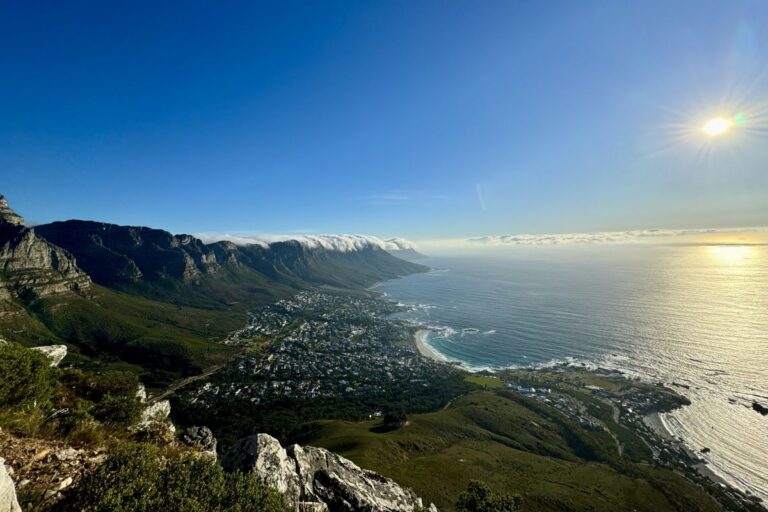
| Cape Town | South Africa | Safe (daytime) | Tourist hotspots secure, violent crime rare in popular areas |
| Okavango Delta | Botswana | Very safe | Exclusive safari lodges, low crime, guided experiences |
| Etosha National Park | Namibia | Very safe | Well-managed park, safe roads, tourist-friendly |
| Mehrini Falls | Zimbabwe | Safe | Natural landmark, controlled access |
| Lake Kariba | Zimbabwe/Zambia | Safe | Popular tourist area, organized lodges |
| Cape of Good Hope | South Africa | Safe | Tourist attraction, secure access |
| Garden Route | South Africa | Safe | Popular tourist route, well-traveled |
| Cape Winelands | South Africa | Safe | Tourist-friendly area, low crime |
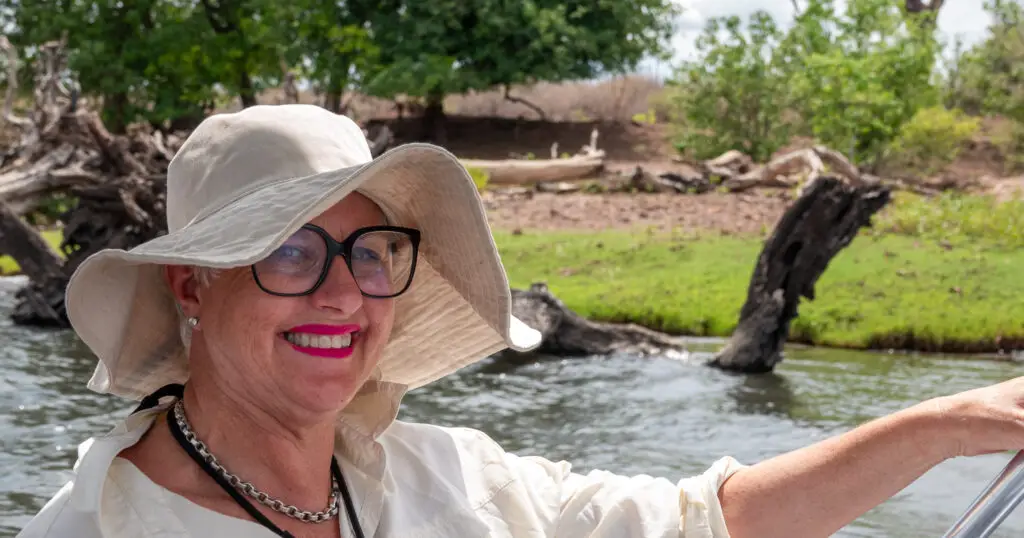
Generally speaking, Southern Africa is safe for tourists, especially in popular areas like Cape Town (South Africa), Etosha (Namibia), and Okavango (Botswana).
High-Risk Zones in the Region
Downtown areas of major cities (Johannesburg, Cape Town, Harare): Not the safest places
Townships on city outskirts: Most violent crimes occur in these areas
Urban areas after dark: Risk increases significantly
Walking alone in cities: Dangerous in urban environments
Traffic stops in rural areas: Be extra vigilant
It’s worth noting that four of the most perilous cities globally are located in South Africa, so urban South African areas require extra caution compared to other Southern African countries.
Southern Africa Safety by Traveler Type
Solo Female Travelers in Southern Africa
Yes, Southern Africa is safe for female travelers across the region! In general, countries like Botswana, Namibia, and South Africa’s tourist areas are safe for solo female travelers. However, solo female travelers may face extra challenges and should remain vigilant in urban areas.
LGBTQIA+ Travelers in Southern Africa
You may face extra challenges if you identify as LGBTQIA+, especially in certain Southern African countries. Research local laws and cultural attitudes before visiting, as attitudes vary significantly between countries.
Single Male Travelers in Southern Africa
Most tourists won’t encounter problems, but the likelihood of issues is higher in South Africa’s cities compared to other Southern African countries. Exercise common sense and stay aware, particularly in urban areas.
Essential Safety Tips for Southern Africa Travel
Timing Matters Across the Region
Travel during daylight hours in all Southern African countries
Avoid walking at night in urban areas
Have dinner before dark or dine in your hotel/camp
Don’t travel after dark, especially on rural roads
Use ATMs during daytime at all locations
Generally speaking, cities in Southern Africa can be unsafe for evening strolls, particularly in South Africa.
Transportation Safety in Southern Africa
Use reliable transportation in all countries
Book transfers through lodges for safari destinations
Ensure doors and windows locked when driving
Only stop at designated areas like service stations
Be extra vigilant at traffic lights in urban areas
Use Uber or hotel shuttles in South African cities
Urban Area Precautions
Stick to well-known tourist areas
Refrain from walking alone after dark in cities
Avoid downtown city centers in major Southern African cities
Research areas before visiting any country
Explore during daylight hours
South African cities are relatively safe, but it depends on what neighborhood you’re visiting and whether you’re taking the necessary safety precautions.
Wildlife Park Safety Across Southern Africa
Safe Safari Destinations
| Park | Country | Safety Level | Key Guidelines |
|---|---|---|---|
| Kruger National Park | South Africa | Very safe | Follow park guidelines, stay inside vehicles |
| Okavango Delta | Botswana | Very safe | Exclusive lodges, guided boat/safari experiences |
| Etosha National Park | Namibia | Very safe | Well-managed park, safe access roads |
| Hwange National Park | Zimbabwe | Safe | Organized tours, secure lodges |
| South Luangwa | Zambia | Safe | Guided experiences, reputable camps |
Safety Comparisons: Southern Africa Countries
Travelling to Southern African countries is no more dangerous than visiting other global destinations. However, South Africa has higher crime rates compared to Botswana and Namibia, which are notably safer.
South Africa is not more dangerous than other countries when you use common sense, but crime rates are higher in South African urban areas compared to neighboring countries.
What Most Tourists Experience in Southern Africa
Most tourists won’t encounter problems across Southern Africa. With adequate planning and a cautious approach, the majority of visitors enjoy a wonderful experience throughout the region.
Southern Africans are, by and large, warm, hospitable, and outgoing people who want international visitors to have a positive experience.
Anyone who has spent significant time in Southern Africa will tell you you have nothing to worry about regarding major security threats when visiting safari destinations and tourist areas.
The Bottom Line: Southern Africa Safety Truth
Yes, it is generally safe to travel to Southern Africa, so long as you stick to popular tourist routes and use reputable tour operators.
Generally speaking, Southern Africa is safe for tourists, especially in popular safari destinations and tourist towns-provided you take common safety precautions and avoid known high-risk urban spots.
While Southern Africa is generally safe for travelers, issues vary by country and you should be aware of specific regional tips on how to be a smart traveler.