Everest Base Camp Trek Guide: Routes, Costs and Tips
It's More Than a Walk to Everest
There are mountain adventures, and then there is the Everest Base Camp trek.
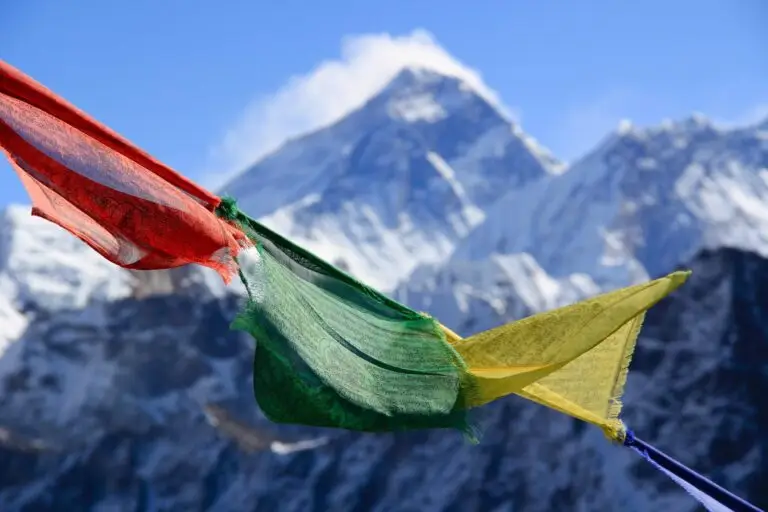
Imagine walking through Himalayan valleys, crossing suspension bridges above rushing rivers, passing colourful prayer flags and remote mountain villages, and watching some of the world’s highest peaks emerge around you. Every day brings a new landscape, another challenge and a fresh reason to keep walking.
The destination is Everest Base Camp, sitting at approximately 5,364 metres above sea level in Nepal’s Khumbu region. You do not need to be a mountaineer to get there, but you do need preparation, patience and respect for the mountain environment.
The journey is as much about the experience along the way as it is about reaching the destination. From the lively mountain town of Namche Bazaar to the spiritual atmosphere of Tengboche Monastery, the trek offers a fascinating introduction to Himalayan life.
If you are considering this adventure, here is what you need to know before you lace up your boots.
1. What Is the Everest Base Camp Trek?
The Everest Base Camp trek is a multi-day hiking adventure through northeastern Nepal, leading to the base camp used by mountaineering expeditions attempting to climb Mount Everest.
Most itineraries begin in Lukla, a mountain town reached by air from Kathmandu or another designated departure point, depending on flight arrangements. From there, trekkers follow established trails through the Khumbu region, gradually gaining altitude as they approach Everest.
Here are the essentials:
Destination: Everest Base Camp, Nepal
Altitude: Approximately 5,364 metres above sea level
Typical duration: Around 12 to 14 trekking days, with additional time for travel and weather delays
Starting point: Usually Lukla
Accommodation: Teahouses and mountain lodges along the route
Difficulty: Challenging, primarily because of altitude, long walking days and the cumulative physical demands
Technical climbing experience: Not normally required for the standard trekking route
One important detail: reaching base camp does not mean you will have the classic panoramic view of Everest’s summit. For that iconic view, many trekkers add a hike to Kala Patthar, a nearby viewpoint above Gorak Shep.
2. When Is the Best Time to Trek to Everest Base Camp?
Timing can make a considerable difference to your experience. Weather conditions affect visibility, temperatures, trail conditions and flights into the mountains.
The two main trekking seasons are spring and autumn.
Spring: March to May
Spring is one of the most popular times for the Everest Base Camp trek. Temperatures generally become more manageable as the season progresses, and lower sections of the trail may feature blooming rhododendrons.
This is also a major climbing season on Everest, so you may encounter mountaineering teams preparing for their summit attempts.
Best for: Trekkers who enjoy a lively trail, spring landscapes and the atmosphere of the climbing season.
Autumn: Late September to November
Autumn often brings clear skies and excellent mountain visibility after the monsoon rains begin to ease. Daytime trekking conditions can be pleasant, although temperatures drop considerably at higher elevations, particularly at night.
October and November are especially popular, so accommodation and flights should be planned well in advance.
Best for: Trekkers hoping for clear mountain views and relatively settled weather.
What About Winter and the Monsoon?
Winter trekking is possible, but severe cold, snow and difficult trail conditions can make the journey more demanding. The summer monsoon brings increased rainfall, cloud cover and a greater risk of travel disruptions.
Whichever season you choose, mountain weather can change quickly. Build flexibility into your itinerary rather than planning every connection around a fixed schedule.
3. What Does the Everest Base Camp Trek Route Look Like?
The classic route takes you through a succession of villages, valleys and mountain settlements. The exact itinerary varies by operator, pace and acclimatisation requirements, but a typical journey includes the following stops.
Lukla to Phakding
The adventure usually begins with a flight into Lukla. After arriving, trekkers set out along the Dudh Koshi valley towards Phakding.
The first walking day is generally shorter, allowing you to settle into the rhythm of trekking and begin adjusting to the mountain environment.
Phakding to Namche Bazaar
This section involves river crossings, suspension bridges and a substantial climb towards Namche Bazaar.
Namche is a major trading centre for the Sherpa communities of the region. It is also an important stop for acclimatisation, with shops, cafés, equipment supplies and opportunities to explore the surrounding villages.
Namche Bazaar to Tengboche
As the trail continues, the scenery opens up to spectacular mountain views, including Ama Dablam and other Himalayan giants.
Tengboche is particularly memorable for its monastery, which sits against a dramatic mountain backdrop. Take time to appreciate the cultural and spiritual significance of the area rather than treating it as just another stop on the route.
Tengboche to Dingboche or Pheriche
The trail passes through traditional settlements and increasingly open alpine landscapes before reaching Dingboche or Pheriche.
At these elevations, the thinner air becomes more noticeable. Walking at a steady pace and following your acclimatisation plan are increasingly important.
Dingboche to Lobuche
The landscape becomes more rugged as you approach the Khumbu Glacier region. This section brings you closer to the high mountains, but it also demands patience as your body adjusts to the altitude.
Lobuche to Gorak Shep and Everest Base Camp
Gorak Shep is the final settlement before the base camp excursion. Depending on the itinerary and conditions, you may continue to Everest Base Camp on the same day or adjust the schedule.
At base camp, you will find yourself surrounded by the dramatic terrain of the Khumbu Glacier and the peaks of the surrounding Himalayan range. During the main climbing season, expedition activity may add another dimension to the experience.
Many trekkers also hike to Kala Patthar for a panoramic view of Everest and the surrounding mountains.
Afterwards, the journey returns along the same general route towards Lukla.
For an official overview of the route, see the Nepal Tourism Board’s Everest Base Camp guide.
4. How Fit Do You Need to Be?
You do not need to be an elite athlete to complete the Everest Base Camp trek. However, being able to walk comfortably for several consecutive days is only part of the preparation.
The real challenge is combining long walking days with steep sections, uneven trails, cold conditions and high altitude. A route that feels manageable at a lower elevation can become considerably more demanding as the air gets thinner.
Start preparing several months before your departure.
A useful training routine includes:
Long walks and hikes: Gradually increase your distance and time on your feet.
Hill training: Practise climbing and descending to build leg strength and stamina.
Cardio: Activities such as cycling, swimming and running can help improve cardiovascular fitness.
Strength training: Focus on your legs, glutes, core and the muscles that support your balance.
Back-to-back walking days: Practise walking on consecutive days so your body becomes accustomed to repeated effort.
Training with a backpack: Gradually introduce the type of pack you expect to carry on the trek.
Consistency matters more than trying to achieve everything in a few weeks. Build your fitness gradually, include recovery days and avoid starting the trek with new boots or equipment you have not tested.
Most importantly, remember that good fitness does not eliminate the risk of altitude sickness. Acclimatisation is essential, regardless of how strong or experienced you are.
5. Understanding Altitude and Acclimatisation
Altitude is one of the biggest challenges of the Everest Base Camp trek.
As you climb higher, the available oxygen pressure decreases. Your body needs time to adapt, which is why responsible itineraries include acclimatisation days rather than rushing towards the destination.
Namche Bazaar and Dingboche are common places to spend additional time adjusting to the elevation. During these stops, your guide may recommend gentle walks to higher points followed by a return to a lower sleeping altitude.
Altitude sickness can affect anyone, including fit and experienced hikers.
Early symptoms can include:
Headaches
Nausea or loss of appetite
Dizziness
Unusual fatigue
Difficulty sleeping
Do not ignore symptoms or assume you can simply push through them. If you feel unwell, tell your guide immediately and do not continue ascending while symptoms are present. Worsening symptoms require urgent medical assessment and may mean descending to a lower altitude.
Confusion, difficulty walking straight, or breathlessness while resting are emergency warning signs that require immediate descent and medical assistance.
Follow a conservative acclimatisation schedule, drink adequate safe fluids and discuss altitude-related medication with a qualified healthcare professional before travelling.
Read the Nepal Tourism Board’s mountain safety guidance before departure.
6. What Should You Pack for Everest Base Camp?
Packing for the Himalayas is about preparing for changing conditions without carrying unnecessary weight. Lower sections of the trail can feel relatively mild, while higher elevations can be extremely cold, especially after sunset.
Clothing
Moisture-wicking base layers
Warm fleece or insulated mid-layers
A quality insulated jacket
A waterproof and windproof outer shell
Trekking trousers and comfortable walking clothes
Thermal layers for cold nights
Warm hat, gloves and several pairs of trekking socks
Footwear
Well-fitted, broken-in hiking boots
Comfortable camp shoes or sandals
Optional trekking gaiters, depending on the season and trail conditions
Essential Equipment
A comfortable daypack
A suitable sleeping bag, based on expected temperatures and the accommodation provided
Trekking poles
Headlamp with spare batteries
Sunglasses with strong UV protection
Sunscreen and lip balm
Reusable water bottles or a hydration system
Water purification tablets or a reliable filter
Personal medication and a basic first-aid kit
Toiletries and hand sanitiser
Power bank and charging cables
A few easily overlooked items can make a big difference: blister treatment, cash for remote settlements, spare socks and a waterproof cover for your daypack.
Ask your trekking operator what equipment is provided or available for hire before buying everything yourself.
7. Where Will You Sleep and What Will You Eat?
One of the appealing aspects of the Everest Base Camp trek is that most of the standard route can be completed using local teahouses rather than carrying camping equipment.
These mountain lodges generally offer a place to sleep and communal dining areas. Facilities vary by location, and comfort becomes more basic as you climb higher. Hot showers, charging points and Wi-Fi may be available for an additional fee, but they should not be taken for granted.
Meals commonly include dal bhat, a traditional Nepali meal of rice, lentil soup and accompaniments. You may also find noodles, soups, potatoes, eggs, porridge and other familiar options.
Eating enough is important because trekking at altitude can suppress your appetite while increasing the energy your body needs. Choose freshly prepared food, drink safe water and carry snacks for the trail.
Keep expectations realistic. The higher you travel, the more limited and expensive some supplies can become.
8. Permits, Guides and Travel Logistics
Before setting off, make sure your arrangements comply with current local requirements.
Trekkers on the Everest Base Camp route generally need the relevant Sagarmatha National Park entry permit and the Khumbu Pasang Lhamu Rural Municipality entry permit. Fees and administrative procedures can change, so confirm the current requirements before travelling.
The Nepal Tourism Board lists Everest Base Camp among the trekking routes requiring a licensed guide under its revised trekking arrangements. Check the latest official guidance and confirm that your operator has arranged the necessary documentation.
You should also plan for:
Flights: Allow extra time for possible delays or cancellations on mountain flights.
Travel insurance: Confirm that your policy covers trekking at your intended altitude, emergency evacuation and medical expenses.
Emergency planning: Understand how your guide will respond to illness, injury or severe weather.
Budget: Account for accommodation, meals, permits, guide and porter services, equipment, transport, tips and personal expenses.
Cash: Do not assume card payments or ATMs will be available throughout the route.
A few extra days in your itinerary can make the difference between a manageable travel disruption and a missed international flight.
9. How Much Does the Everest Base Camp Trek Cost?
There is no single price for the Everest Base Camp trek. Your total cost depends on the length of the itinerary, the level of accommodation, the services included and whether you travel independently through an organised arrangement or join a guided package.
When comparing prices, look beyond the headline figure.
Check whether the package includes:
Domestic flights and airport transfers
Accommodation in Kathmandu and along the trail
Meals during the trek
Permits and local fees
A licensed guide and porter services
Travel insurance or emergency evacuation arrangements
Equipment rental
Tips and personal expenses
A cheaper package is not necessarily better value if important safety arrangements or essential services are excluded.
Request an itemised quotation and understand what happens if flights are delayed or the itinerary needs to change. Confirm current costs directly with your operator because prices and local fees can change between seasons.
10. Experience More Than the Mountains
The Everest Base Camp trek is famous for its scenery, but the journey is also an opportunity to learn about the communities who call this challenging environment home.
The Khumbu region has a rich Sherpa heritage, with Buddhist monasteries, prayer flags, mani stones and traditions shaped by life in the Himalayas.
Namche Bazaar offers a glimpse into the region’s trading culture, while villages along the route provide opportunities to observe local life and learn about the relationship between mountain communities and their environment.
Travel thoughtfully. Follow local guidance around monasteries and sacred sites, ask permission before photographing people, respect community customs and avoid leaving rubbish behind.
Where possible, support locally owned teahouses, guides, porters and businesses. Choose an operator that prioritises fair working conditions, appropriate equipment and responsible waste management.
Responsible trekking is not only about protecting the landscape. It is also about recognising the people whose knowledge, work and hospitality make the journey possible.
11. Is the Everest Base Camp Trek Worth It?
For many travellers, absolutely. But the experience is not always comfortable, and the trek should not be mistaken for a simple sightseeing holiday.
There will be early mornings, tired legs, cold nights and moments when the trail feels longer than expected. The altitude may slow you down, and the weather may not always cooperate.
Yet there is something rewarding about gradually making your way into the heart of the Himalayas. You begin to appreciate the small things: a warm meal after a long day, a clear view between the clouds, a conversation with a local guide or the quiet atmosphere of a mountain village.
Reaching Everest Base Camp is a memorable achievement, but the most meaningful moments may happen long before you arrive.
If you prepare well, allow time to acclimatise and approach the journey with an open mind, the trek can be an extraordinary experience even without a summit attempt.
Final Thoughts: Prepare Well, Walk Slowly and Enjoy the Journey
The Everest Base Camp trek is a reminder that some of the world’s most rewarding experiences cannot be rushed.
Give yourself time to train, choose your trekking season carefully, invest in the right equipment and take altitude seriously. Leave room for unexpected delays, respect local communities and remember that turning around when conditions demand it is a sign of good judgement, not failure.
You do not need to be a mountaineer to experience the Himalayas. You need preparation, curiosity and a willingness to take the journey one step at a time.
Ready to plan your next adventure? Explore Adventure Out Loud for more travel inspiration, practical trekking advice and ideas for journeys that connect you with the people, places and experiences that make travel meaningful.