7 tips and must-do’s when trekking with the chimps
There is a lot to consider before you embark on your chimp trekking experience, and chimp trekking safety should be high on your list. With the right preparation you not only keep yourself and the animals safe, you also maximise your enjoyment while you are out on the trail. We have listed essential chimp trekking safety tips to keep in mind, so you can stand beside these beautiful animals with the knowledge you need to have a safe, exciting and respectful experience.
Here are 7 “Do’s and Don’ts” while trekking beside primates.
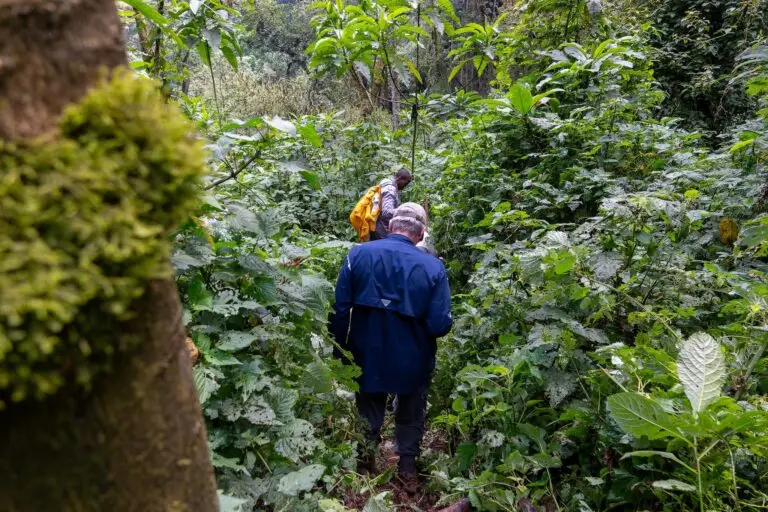
1. Stay with your guide
Your guide is there for a reason. When you enter the forest, you are moving into the natural home of wild animals, and that environment comes with risks that may be unfamiliar to you. The forest terrain can be slippery, uneven, and sometimes thick with vegetation, while the chimpanzees themselves may move quickly and unexpectedly through the trees or on the ground.
Your guide knows the area, understands chimp behavior, and can help you respond appropriately if the animals change direction or if the trail becomes difficult. For that reason, always remain close to your group and keep within sight and hearing of your guide. Do not wander off to take photos, explore side paths, or move ahead of the others.
Following instructions is not just about your own safety. It also helps protect the chimpanzees and reduces the chance of disturbing them. A well-guided trek creates a better experience for everyone involved.
2. Remain as quiet as possible
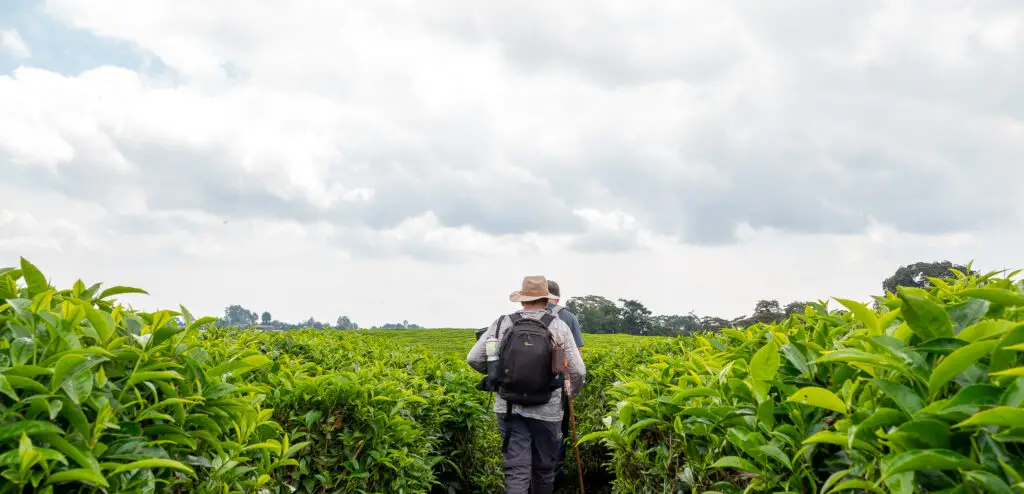
One of the most important things you can do during a chimp trek is keep noise to a minimum. You are stepping into the chimps’ natural home, and loud voices, shouting, or sudden movements can startle them or alter their behavior. The quieter you are, the more likely you are to witness natural interactions and authentic forest life.
Chimpanzees communicate through calls, gestures, and body language. When visitors are noisy, they may interrupt these behaviors or cause the group to move away. Silence, on the other hand, allows the forest sounds to come forward. You may hear rustling leaves, bird calls, distant chimp vocalizations, and the subtle movement of animals around you.
Try to speak only when necessary and always in a low voice. If you are trekking with a group, remind fellow travelers to do the same. Keeping quiet is a simple act, but it shows respect for the wildlife and improves your chances of having a more intimate, rewarding encounter.
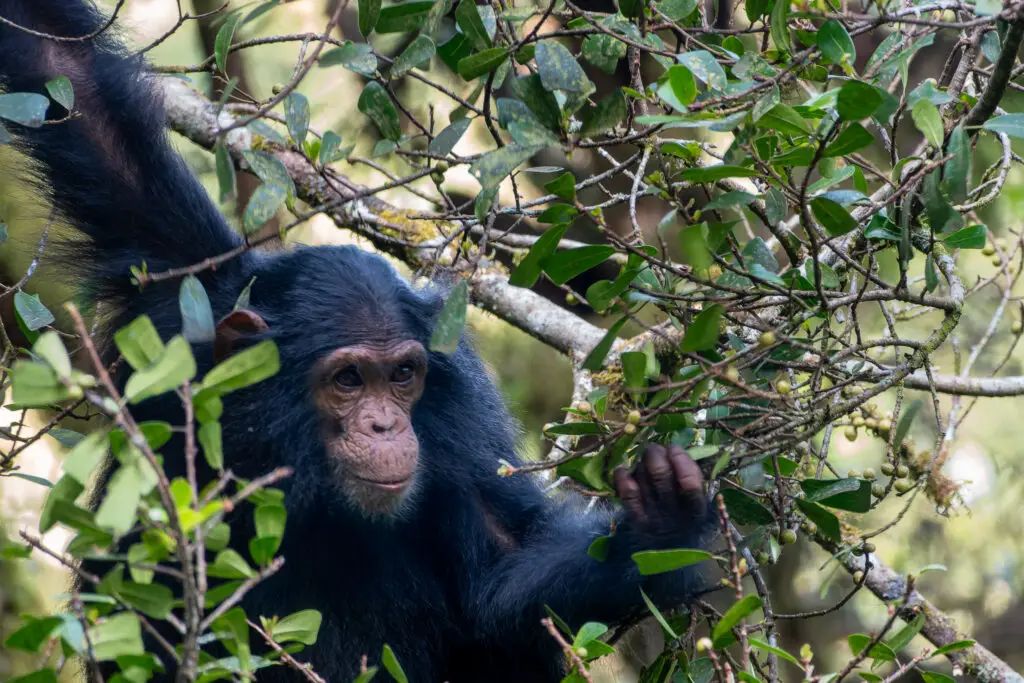
3. Proper food storage
One of the most important things you can do during a chimp trek is keep noise to a minimum. You are stepping into the chimps’ natural home, and loud voices, shouting, or sudden movements can startle them or alter their behavior. The quieter you are, the more likely you are to witness natural interactions and authentic forest life.
Chimpanzees communicate through calls, gestures, and body language. When visitors are noisy, they may interrupt these behaviors or cause the group to move away. Silence, on the other hand, allows the forest sounds to come forward. You may hear rustling leaves, bird calls, distant chimp vocalizations, and the subtle movement of animals around you.
Try to speak only when necessary and always in a low voice. If you are trekking with a group, remind fellow travelers to do the same. Keeping quiet is a simple act, but it shows respect for the wildlife and improves your chances of having a more intimate, rewarding encounter.
4. Keep valuables safe
Just like food, personal belongings should be stored carefully when you are around chimpanzees. These animals are intelligent, quick, and naturally curious. A loose cap, a dangling camera strap, or a phone held too openly may attract their attention.
It is not uncommon for primates to snatch items that they find interesting, especially if they are left exposed or within reach. For this reason, it is best to keep valuables inside a secure, zipped bag when they are not in use. If you are using a camera or phone to capture moments during the trek, make sure you hold it firmly and keep it close to your body.
You should also avoid carrying too many loose accessories. Sunglasses, hats, and water bottles are easy to misplace or accidentally drop. If the chimpanzees come close, your guide may ask you to lower your items or remain still. Following those instructions will help prevent accidental interactions and protect your belongings at the same time.
5. Show respect to the local culture
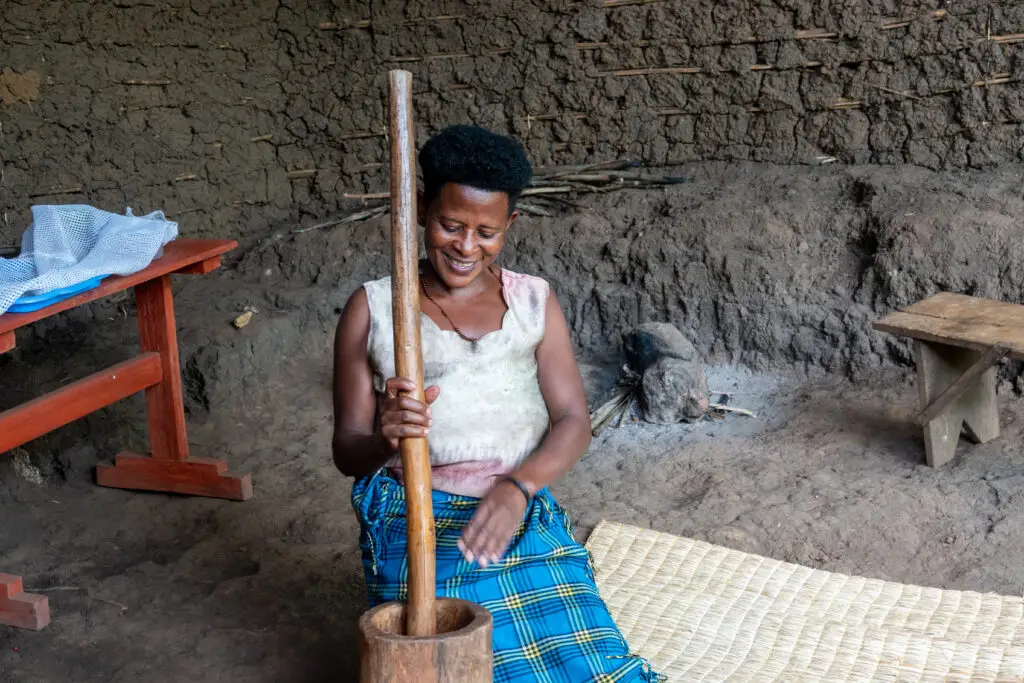
Chimp trekking does not take place in isolation. It is often connected to communities that live near the forest, guide visitors, and help protect these habitats. Showing respect to the local culture is just as important as showing respect to the chimpanzees themselves.
Dress modestly and appropriately for the area you are visiting. In addition to cultural respect, practical clothing also helps protect you from sun, insects, and unpredictable weather. Lightweight long sleeves, long trousers, and comfortable walking shoes are usually a better choice than revealing or overly bright clothing.
Be mindful when taking photographs of people. Always ask for permission before photographing local residents, guides, porters, or staff. Not everyone is comfortable being photographed, and a little courtesy goes a long way. It is also important to follow local customs, listen to your hosts, and be open to learning from the community around you.
When you travel with respect, you contribute to positive tourism. That means the experience is better not just for you, but for the people who make chimp trekking possible.
6. Use your eyes
It is easy to become focused on capturing the perfect photo or video, especially when you are in the presence of such remarkable animals. But one of the best things you can do during a chimp trek is to occasionally put the camera down and simply look around.
The forest is alive with detail. You may notice the way light filters through the canopy, the patterns of movement between branches, the calls of birds, or the expressions and social interactions of the chimps themselves. These are the kinds of moments that stay in your memory long after the trek is over.
Photography is wonderful, but do not let it become the only way you experience the trek. Take a few moments to be present without a screen between you and the forest. Listen carefully, watch closely, and allow yourself to fully absorb the atmosphere of the place.
Often, the most meaningful travel experiences are the ones we actually pause long enough to feel.
7. Tip your guides!
Tipping is customary across East Africa and it is a meaningful way to thank the guides, trackers, drivers, and hotel staff who help make your chimp trekking experience smooth and enjoyable. These people often work hard behind the scenes to ensure that your trip runs safely and professionally.
If you have had a great experience, tipping is a practical way to show appreciation. Your guide may have spent hours tracking the chimpanzees, sharing knowledge about the forest, and keeping the group safe along the way. Drivers and trackers also play a major role in making sure your journey is comfortable and efficient.
A good tip does not need to be excessive, but it should be thoughtful and appropriate. If you are unsure, ask your tour operator for local tipping guidance before your trip. That way, you can prepare in advance and avoid awkwardness at the end of the safari.
Here are a few general guidelines:
Guides and trackers: around USD 10 per trekker.
Drivers and taxis: around 10% of the fare, or about USD 10 per day for multi-day service.
Hotel staff: around 10% of the total bill, shared appropriately where a communal tip system is used.
Tipping is not only about money. It is also about recognition, gratitude, and building good relationships with the people who make your safari experience possible.
Final Thoughts
Chimp trekking is a rare privilege, and the more thoughtfully you approach it, the better the experience will be. By staying with your guide, keeping quiet, storing food properly, protecting your valuables, respecting local culture, taking time to simply observe, and tipping appropriately, you help create a safer and more rewarding encounter for everyone involved.
Above all, remember that you are visiting a wild place and meeting wild animals on their own terms. That is what makes the experience so special. When you move with care, patience, and respect, you are far more likely to come away with unforgettable memories and a deeper appreciation for the forest and its inhabitants.