If you’ve ever stared at a map of East Africa wondering which mountain to climb, you’re not alone. Mt Kilimanjaro and Mt Kenya both promise adventure, challenge, and unforgettable views — but they test you in very different ways.
Let’s talk honestly about what makes each mountain unique, where the real difficulty lies, and which one most trekkers find harder.
First Things First: Height Matters (A Lot)
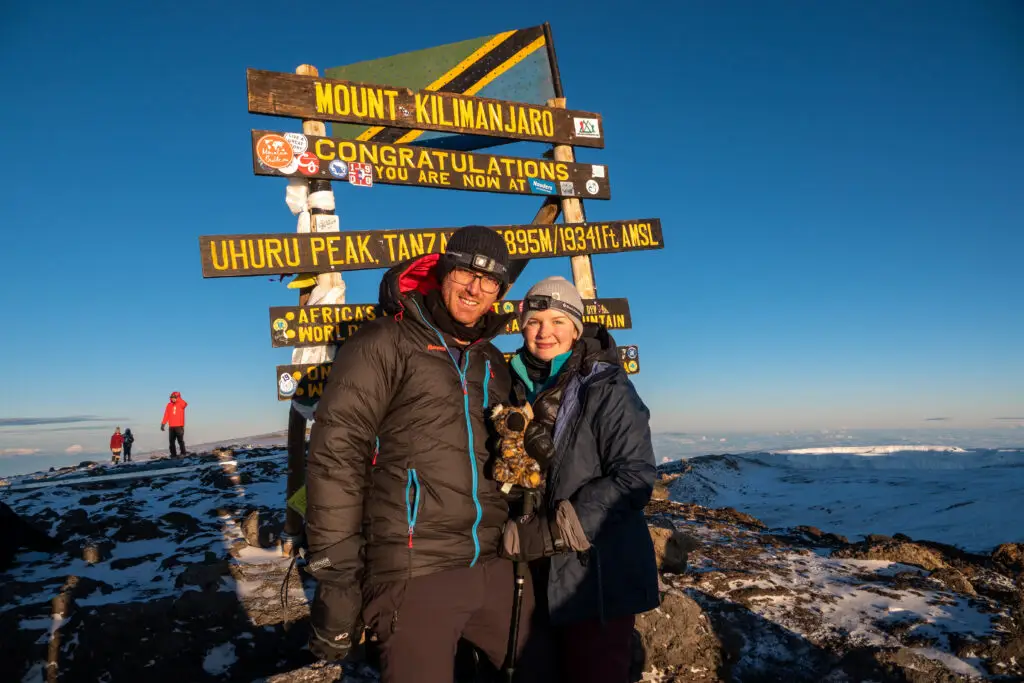
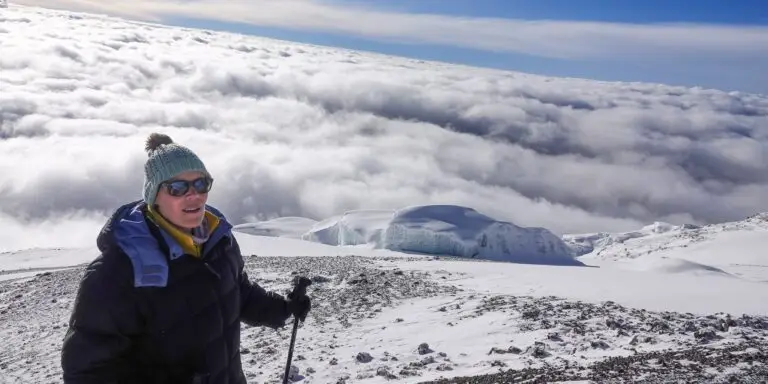
Kilimanjaro rises to 5,895 m, making it the highest free-standing mountain in Africa. Mt Kenya’s most trekked summit, Point Lenana, reaches 4,985 m.
That extra 900+ metres on Kilimanjaro is not just a statistic — it’s the difference between thin air and very thin air.
Most climbers who struggle on Kilimanjaro don’t fail because the trail is steep or technical, but because their bodies are battling altitude.
Most climbers who struggle on Kilimanjaro don’t fail because the trail is steep or technical, but because their bodies are battling altitude.
Reality check: Kilimanjaro is a walking mountain, but altitude makes it feel brutal on summit night.
Edge: Kilimanjaro
Walking vs Climbing: A Key Difference
Mt Kilimanjaro
- 100% non-technical trekking
- No ropes, helmets, or climbing skills required
- Long days at a slow pace — mental endurance matters most
Mt Kenya
- Point Lenana: non-technical hiking
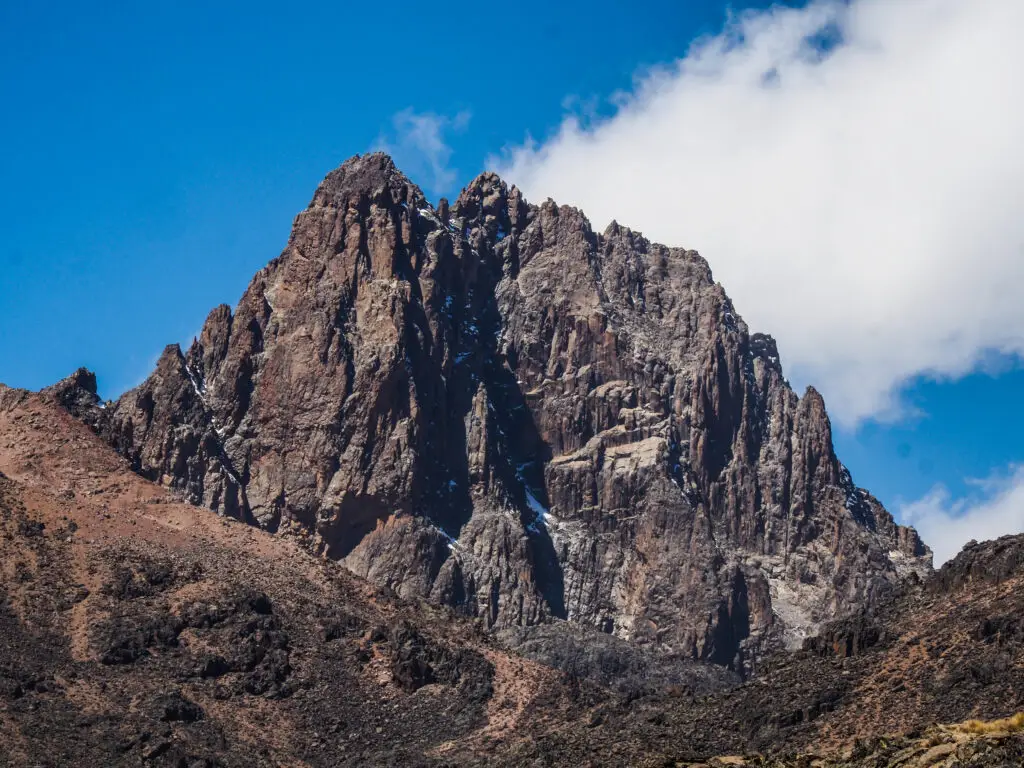
- Batian & Nelion: true mountaineering with ropes, rock climbing, and guides
When people say “Mt Kenya is harder,” they are often referring to Batian or Nelion — not Point Lenana. If we’re comparing trekking peaks only, Kilimanjaro and Point Lenana are evenly matched technically.
Edge (trekking only): Equal technically
Edge (overall difficulty options): Mt Kenya
Terrain: Smooth Paths vs Rugged Trails
This surprises many climbers.
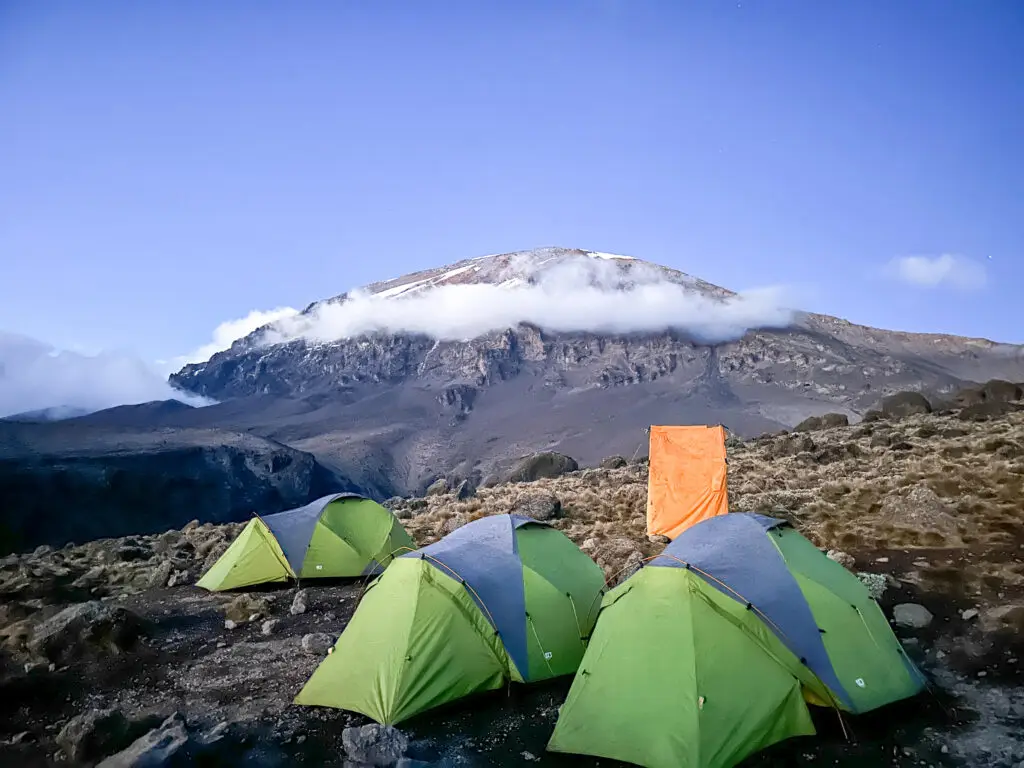
- Kilimanjaro: well-established routes, clear trails, organised camps, and a highly structured experience.
- Mt Kenya: raw, alpine terrain — rock hopping, uneven ground, boggy sections, and steeper scrambles near the summit.
You may breathe easier on Mt Kenya thanks to lower altitude, but your legs and balance work harder.
Edge: Mt Kenya
Time on the Mountain (And Why It Matters)
- Kilimanjaro: typically 6–9 days
- Mt Kenya (Point Lenana): usually 3–6 days
Longer itineraries aid acclimatisation. Ironically, despite being higher, Kilimanjaro can feel more manageable when climbed slowly. Mt Kenya treks are shorter and punchier — great for experienced hikers, but less forgiving if rushed.
Edge: Kilimanjaro (with a well-planned itinerary)
Summit Day: Where the Truth Shows Up
- Kilimanjaro: 10–14 hours, cold, dark, slow, and mentally exhausting — altitude dominates everything.
- Mt Kenya: shorter ( 3-4 hours)but steeper, rocky underfoot, and tough on knees and ankles during descent.
Ask anyone who has done both and you’ll hear the same verdict:
- Kilimanjaro breaks you mentally
- Mt Kenya works you physically
So… Which One Is More Difficult to trek?
For most trekkers, Mt Kilimanjaro is harder overall. Not because it’s technical, but because altitude is relentless, and there’s no training your way around thin air.
Mt Kenya feels tougher underfoot and more adventurous. And if you aim for Batian or Nelion, you’re stepping into an entirely different league.
Thinking of climbing either Mt Kenya or Mt Kilimanjaro?
Take a look at our guided treks for both mountains.