Your Guide to Everest Base Camp Trek: Everything You Need to Know Before You Go
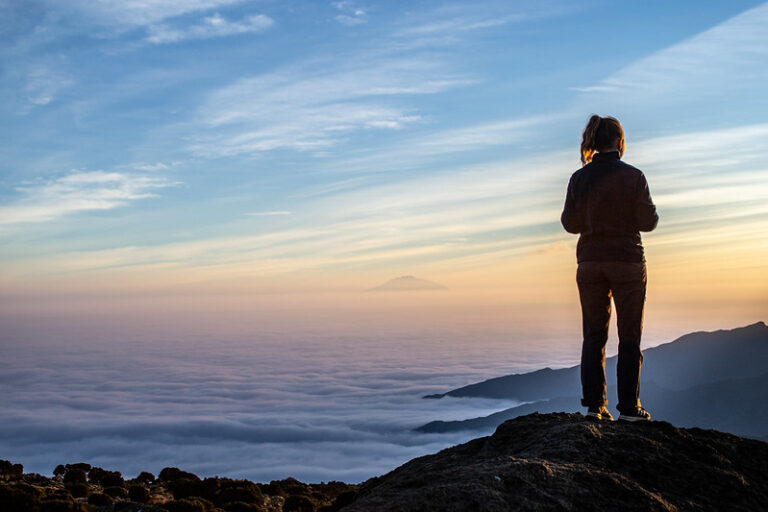
It’s 4:30 AM. You’re at 5,545 metres, your breath forming clouds in the -10°C darkness, your legs burning from days of relentless climbing. Then the sky begins to lighten. And there it is…. the south face of Mount Everest, the highest point on Earth, turning from deep purple to blazing gold as the sun crests the horizon.
This is Kala Patthar at sunrise. And it’s the moment every Everest Base Camp trekker will tell you about for the rest of their lives.
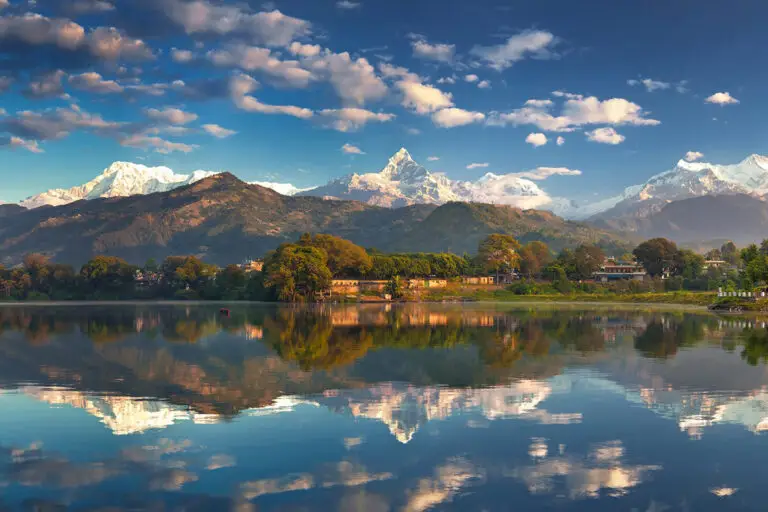
The Everest Base Camp trek is one of the world’s most iconic adventures. A 130-kilometre round-trip journey through the heart of the Khumbu region of Nepal, winding through ancient Sherpa villages, past fluttering prayer flags and centuries-old monasteries, and up into the thin, cold air of the high Himalayas. It’s challenging, humbling, and utterly life-changing.
This guide covers everything you need to know: the full itinerary, permits and costs, the best time to go, how to train, what to pack, and the altitude tips that could make or break your trek.
Quick Facts about Everest Base Camp Trek
Destination: Everest Base Camp (EBC), Khumbu Region, Nepal
Altitude at EBC: 5,364 m / 17,598 ft
Highest point: Kala Patthar — 5,545 m / 18,192 ft
Total distance: ~130 km round trip
Duration: 12–14 days (14 days strongly recommended)
Difficulty: Challenging — 7/10
Trek style: Teahouse trekking (no camping required)
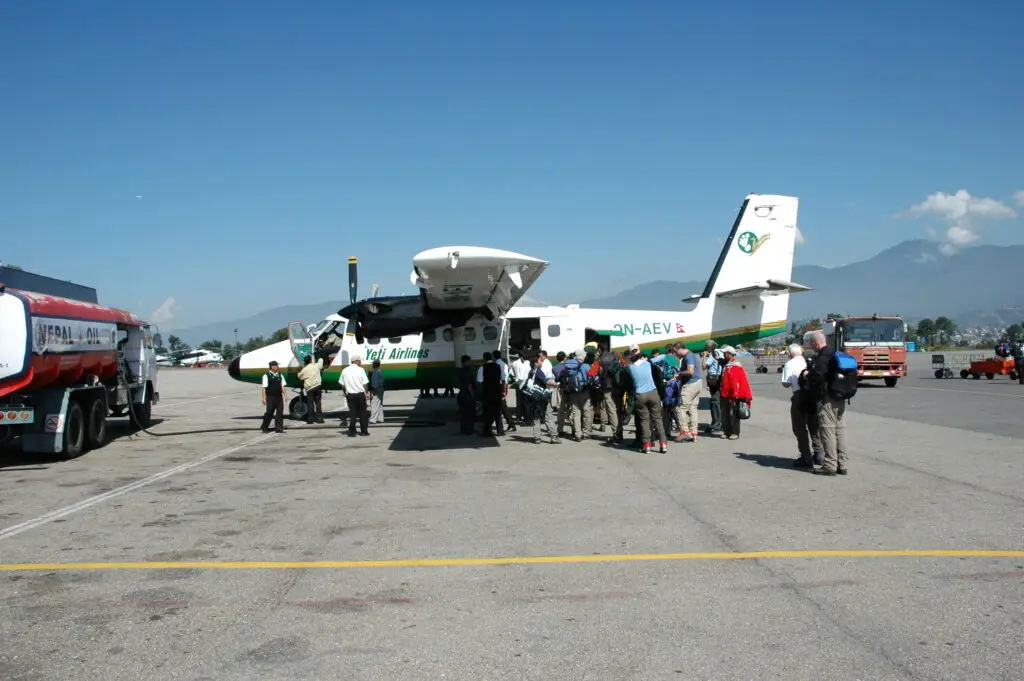
Starting point: Lukla (2,840 m), reached by a 30-minute scenic flight from Kathmandu
Best seasons: Spring (March–May) and Autumn (September–November)
The Full Everest Base Camp Trek Itinerary (14 Days)
The 14-day itinerary is the gold standard for the EBC trek. It builds in two critical acclimatization days — at Namche Bazaar and Dingboche — that dramatically increase your chances of reaching Base Camp safely. Shorter 10–12 day packages exist, but they cut corners on acclimatization and significantly raise the risk of altitude sickness.
Day 1: Fly Kathmandu → Lukla → Trek to Phakding (2,610 m)
Your adventure begins with one of the world’s most dramatic flights — a 30-minute hop from Kathmandu to Lukla’s Tenzing-Hillary Airport, a short runway perched on a cliff edge in the mountains. From Lukla, you’ll trek downhill through pine forests and river valleys to the small village of Phakding. A gentle 3–4 hour introduction to the trail.
Day 2: Phakding → Namche Bazaar (3,440 m)
Today’s 5–6 hour trek is one of the most scenic on the route, crossing multiple suspension bridges draped in prayer flags over glacial rivers. The final climb to Namche Bazaar is steep and relentless — but the reward is arriving in the “Gateway to the Khumbu,” a bustling Sherpa town with bakeries, gear shops, bars, and panoramic mountain views.
Day 3: Acclimatization Day in Namche Bazaar
Don’t skip this day — it’s one of the most important of the entire trek. The classic acclimatization hike climbs to the Everest View Hotel (3,880 m) for your first jaw-dropping views of Everest, Lhotse, Ama Dablam, and Nuptse. From there, continue to Khumjung village to visit the Hillary School (founded by Sir Edmund Hillary himself) and the Khumjung Monastery, which houses a famous — if disputed — Yeti skull. Return to Namche to sleep low.
Pro tip: Three nights in Namche is even better than two. The extra acclimatization day here is the single most effective thing you can do to improve your chances of reaching Base Camp.
Day 4: Namche Bazaar → Tengboche Monastery (3,860 m)
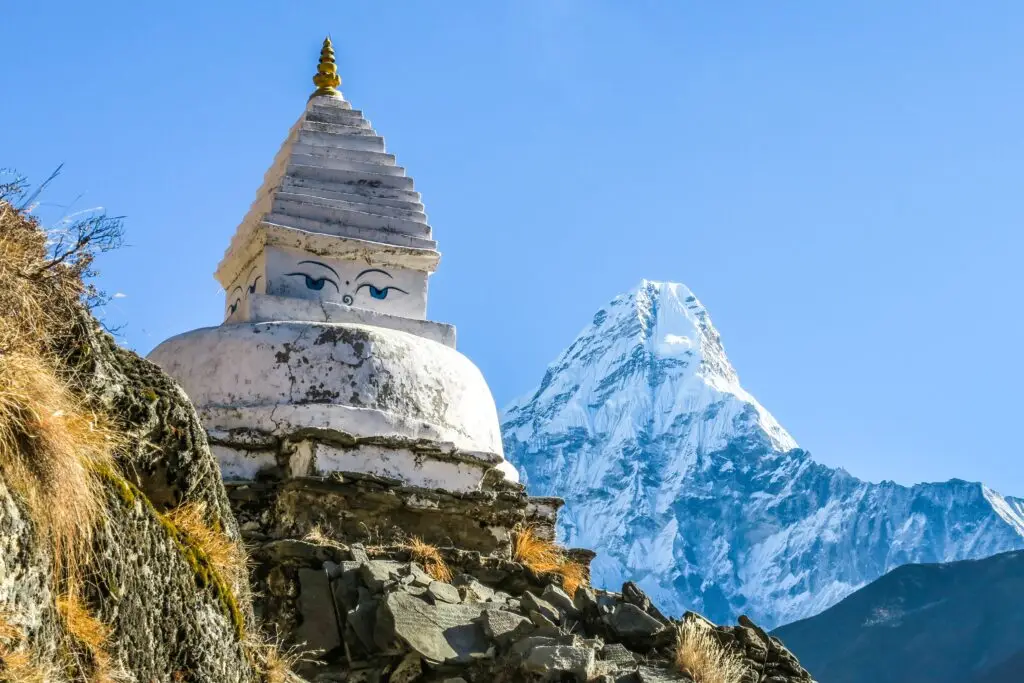
A 5–6 hour trek through rhododendron forests (spectacular in spring bloom) leads to Tengboche, home to the most iconic Buddhist monastery in the Khumbu. If your timing is right, attend the morning puja — a deeply moving prayer ceremony with chanting monks, incense, and the sound of horns echoing across the mountains. The backdrop of Ama Dablam, Nuptse, and Everest is simply extraordinary.
Day 5: Tengboche → Dingboche (4,410 m)
You’re now firmly in the high Himalayas. Today’s 5–6 hour trek takes you above the treeline into a wide, open valley with sweeping views of Ama Dablam, Makalu, and Island Peak. Dingboche is your second major acclimatization stop — and you’ll feel the altitude here.
Day 6: Acclimatization Day in Dingboche
Another critical rest-and-hike day. The recommended acclimatization hike climbs to Nangkartsang Peak (5,083 m) for panoramic views of the surrounding peaks. You’ll sleep at 4,410 m tonight — the highest you’ve slept so far. Drink plenty of water, eat well, and rest.
Day 7: Dingboche → Lobuche (4,910 m)
A 5–6 hour trek across increasingly barren, rocky terrain. The landscape becomes more lunar with every step. Lobuche is basic — very basic — but it’s a crucial stepping stone to Base Camp. The cold is real here; your sleeping bag earns its keep tonight.
Day 8: Lobuche → Gorak Shep → Everest Base Camp (5,364 m) → Gorak Shep
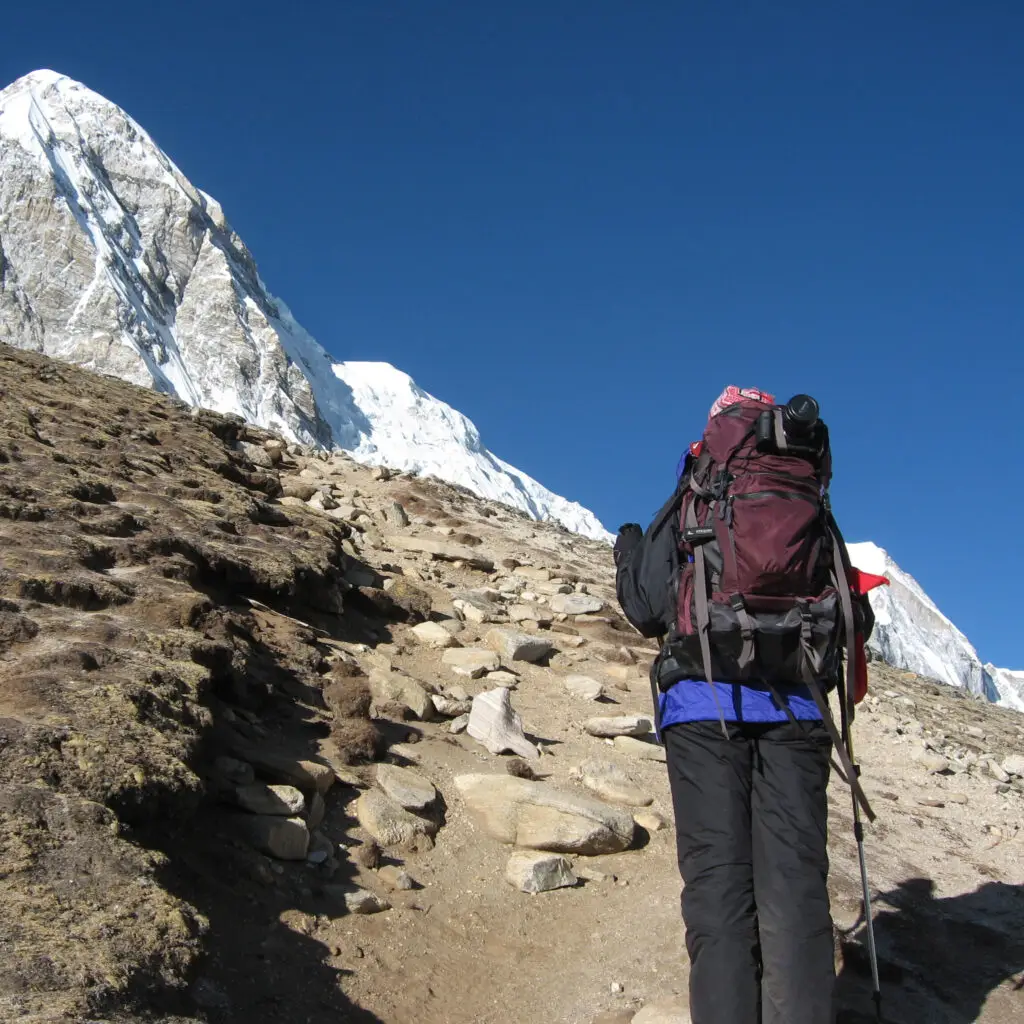
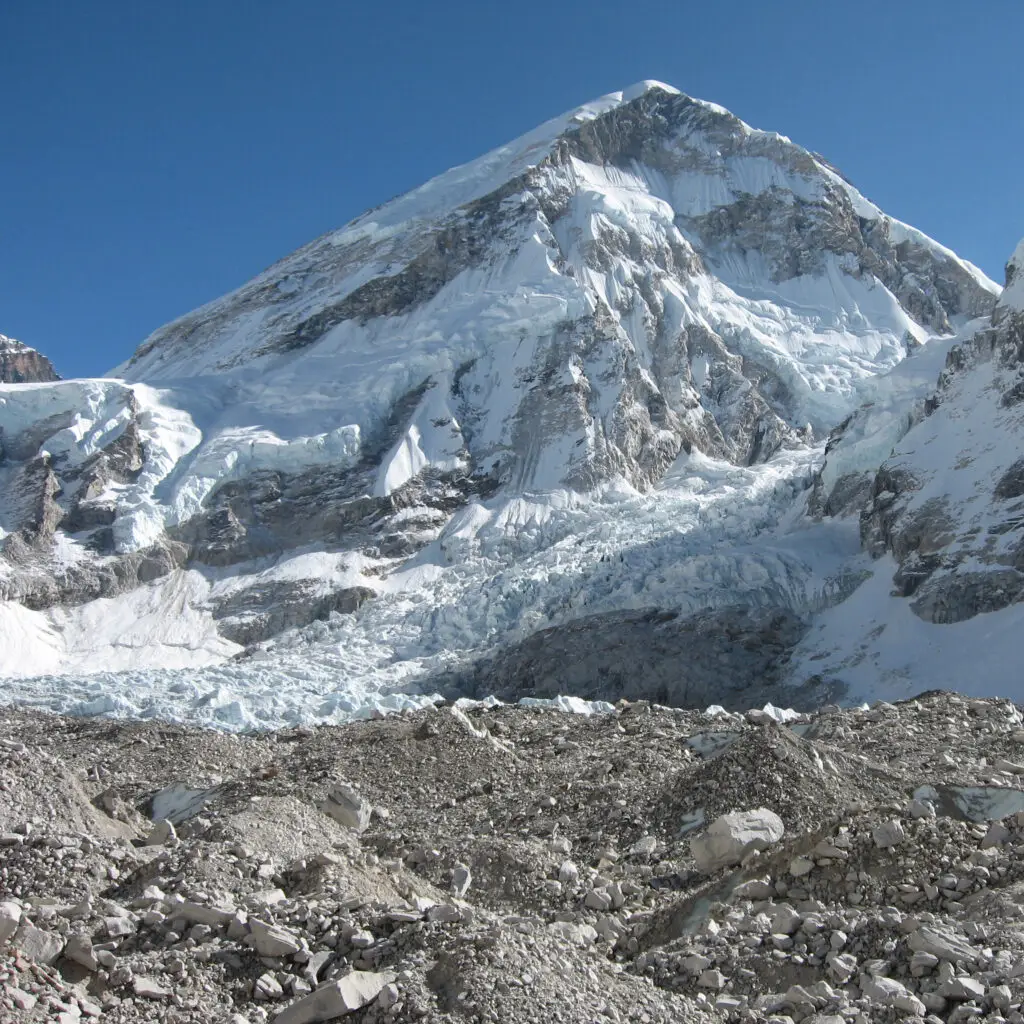
The big day. An early start from Lobuche leads to Gorak Shep (5,190 m), the last teahouse settlement on the route. Drop your bags, eat a hot meal, and then push on to Everest Base Camp — a 2–3 hour trek across the Khumbu Glacier. The terrain is surreal: a jumble of ice, rock, and moraine that feels like walking on the moon.
At Base Camp, you’ll see the colourful expedition tents of Everest climbing teams (in spring season), the roar of the Khumbu Icefall, and the sheer scale of the mountains surrounding you. Take your photos, soak it in, and return to Gorak Shep for the night.
Important: Everest itself is NOT visible from Base Camp — the best viewpoint is Kala Patthar, which you’ll climb tomorrow.
Day 9: Kala Patthar Sunrise → Descend to Pheriche (4,240 m)
Set your alarm for 4 AM. The pre-dawn climb to Kala Patthar (5,545 m) in the dark and cold is one of the most memorable experiences of the entire trek. As the sun rises over the Himalayas, Everest’s south face turns gold — a moment that will stay with you forever. Descend to Pheriche for a well-earned rest.
Days 10–12: The Descent — Pheriche → Tengboche → Namche → Lukla
The return journey retraces your steps, but don’t underestimate it. The descents are hard on the knees, and the longest day — Namche to Lukla — covers 13 miles of relentless downhill. Your legs will know about it. But the views are just as beautiful on the way down, and the sense of achievement grows with every step.
Day 13: Fly Lukla → Kathmandu
The dramatic Lukla flight back to Kathmandu. Shower, celebrate, and sleep in a real bed.
Day 14: Buffer Day in Kathmandu
Always build in a buffer day. Lukla flights are notoriously weather-dependent, and delays are common. This day could save your international flight home.
Best Time to Trek to Everest Base Camp
Spring: Late March to Early June ✅ (Recommended)
Spring is the most popular season for the EBC trek — and for good reason. Skies are clear, temperatures are moderate (-5°C to 15°C at higher camps), and the rhododendron forests are in full, spectacular bloom. Spring also coincides with the Everest climbing season, meaning you’ll see expedition teams at Base Camp — an incredible bonus. March and April are particularly sweet spots before the trails get too crowded.
Autumn: Mid-September to November ✅ (Recommended)
Many experienced trekkers consider autumn the single best season for the EBC trek. Post-monsoon clarity delivers crystal-clear mountain views, temperatures are comfortable (12–20°C during the day at mid-altitudes), and the trails are slightly less crowded than spring. October is the peak month.
Monsoon: June to August ⚠️ (Not Recommended)
Heavy rainfall, slippery trails, leeches, and poor visibility make the monsoon season a challenging time to trek. Landslides are possible. Most experienced operators do not recommend this season.
Winter: December to February ❄️ (Possible, but Challenging)
Winter trekking is possible for those seeking solitude, but temperatures at higher altitudes can plunge to -25°C. Some teahouses close. Serious winter gear is essential.
Ready to Start Planning Your Everest Base Camp Trek?
The mountains are calling. Whether you’re a seasoned adventure traveller or this is your first major trek, the Everest Base Camp trail is waiting — and it’s more achievable than you think.
Start your training now. Book your permits early. Choose a reputable operator who prioritises acclimatization over speed. And remember: bistari, bistari — slowly, slowly.
Have questions about the EBC trek? Drop them in the comments below — we’d love to help you plan the adventure of a lifetime.
Adventure Out Loud — because the greatest stories are lived, not watched.