How Safe Is Trekking with Gorillas or Chimps?
If you’ve ever seen a video of a gorilla charging or a chimp getting a bit too close for comfort, you’ve probably asked yourself one thing:
Is this actually safe?
It’s a fair question. You’re stepping into the world of wild animals that are incredibly strong, intelligent, and unpredictable. But the reality might surprise you.
Yes, trekking with gorillas and chimpanzees is very safe when done properly.
And that “when done properly” is what makes all the difference.
Why It’s Safer Than It Looks
First, you’re not visiting random animals in the wild.
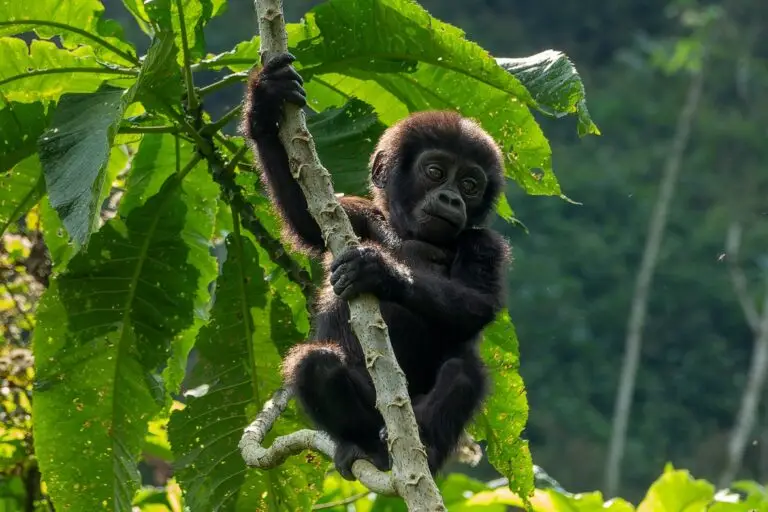
The gorillas and chimpanzees you track are part of habituated groups. That means they’ve spent years getting used to calm human presence. They’re monitored daily, understood by trackers, and protected by park authorities.
So when you finally find them in the forest, it doesn’t feel like a dangerous encounter. It feels calm, almost surreal.
Second, you are never alone.
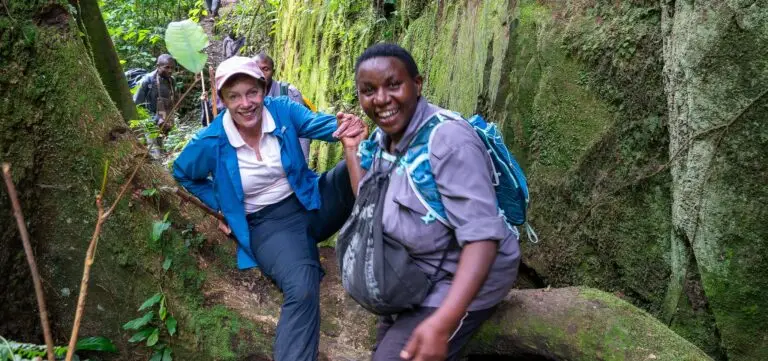
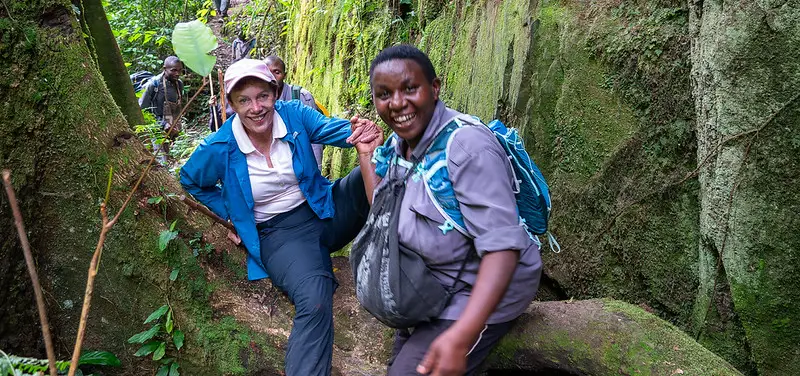
Every trek is led by trained guides and rangers who know these animals extremely well. They read behavior, control distance, and guide your reactions. Their job is to keep both you and the animals safe.
Before you even start walking, you’ll be briefed on simple but important rules. Keep a safe distance. Stay quiet. Avoid sudden movements. Don’t make direct eye contact.
These aren’t just guidelines. They are the reason incidents are so rare.
So What About Those Viral “Attacks”?
You’ve probably seen them. A gorilla pushing someone. A loud charge. A tense moment.
What’s happening in most of these situations is not an attack, but a warning.
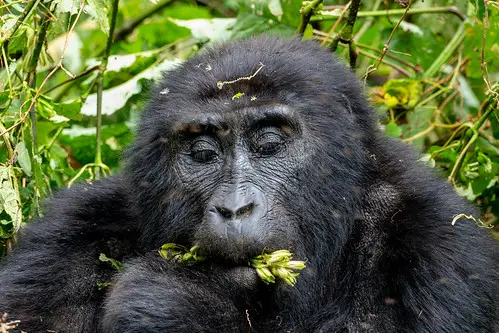
Gorillas, especially silverbacks, are protective. If they feel their space is being crossed, they might step forward, vocalize, or even give a quick push. It’s their way of saying “that’s close enough.”
And almost always, once people respond correctly by staying calm and following the guide’s instructions, the situation settles immediately.
It’s less about aggression and more about communication.
The Real Challenges Might Surprise You
The biggest risks on a trek are not the animals.
It’s the forest.
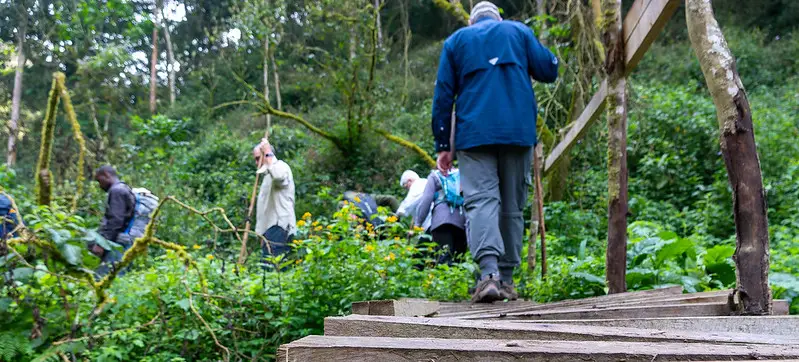
The terrain can be steep, muddy, and thick. Treks can take a few hours, sometimes longer, depending on where the animals are that day. It can be physically demanding, especially at higher altitudes.
Another important factor is health. Because gorillas and chimpanzees share so much DNA with us, they are vulnerable to human illnesses. That’s why there are strict rules around hygiene and why you may not be allowed to trek if you’re unwell.
Chimpanzees vs Gorillas
Chimpanzee trekking feels a bit different.
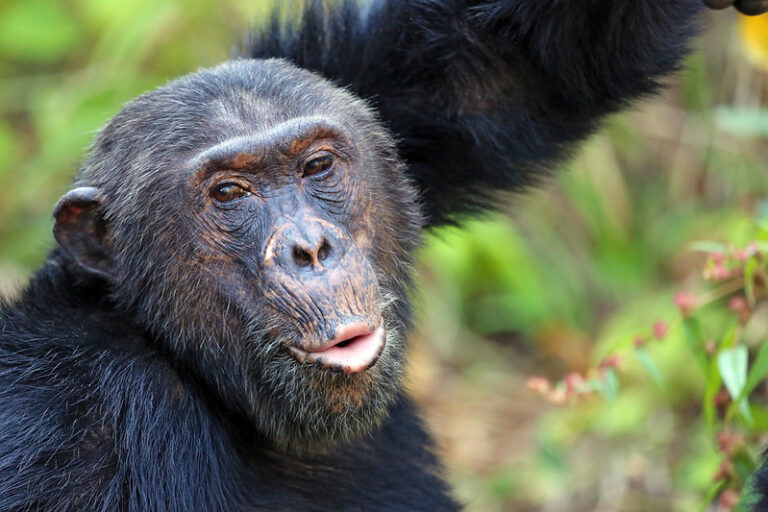
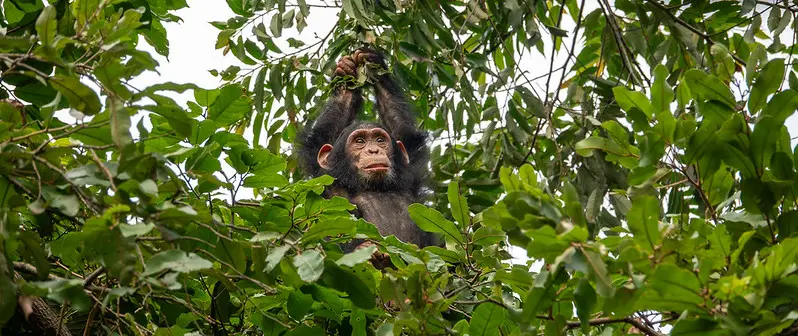
Chimps are more energetic, more vocal, and always on the move. You might hear them before you see them. There’s more noise, more movement, and sometimes a bit more unpredictability.
Gorillas, on the other hand, are calmer and more grounded. Time with them often feels quiet and deeply humbling.
Both are safe experiences, just slightly different in energy.
What Makes It All Work
What really makes gorilla and chimp trekking safe is the system behind it.
Permits are limited, groups are small, and tourism is tightly controlled. Rangers and guides are highly experienced, and conservation is at the center of everything.
This is not mass tourism. It’s carefully managed, intentional, and respectful.
So Should You Be Worried?
Not really.
You should respect the experience, listen carefully to your guide, and understand that you are entering a wild environment.
But fear is not what you should feel.
If anything, most people walk away wondering why they were ever nervous in the first place.
A Final Thought
There’s something powerful about standing a few meters away from a gorilla or hearing chimps call through the forest.
It reminds you that we’re not separate from nature, but part of it.
And when done right, it’s not just safe.
It’s one of the most meaningful wildlife experiences you can have.