What to do on your first trip to Africa
Africa has a way of changing people.
It is not just the wildlife. It is not just the landscapes. It is the feeling of space. The rhythm of life. The warmth of people. The quiet moments when a sunset stretches across the savannah and everything slows down.
If you are planning your first trip to Africa in 2026, you probably have questions.
Where should you go first?
Is it safe?
How much should you plan?
What surprises travellers the most?
This guide walks you through everything you should do, know, and prepare for your first African adventure.
Why now is the best time ever to visit Africa
Travel across Africa has evolved dramatically in recent years.
New conservation partnerships, improve safari infrastructure, expand flight routes, and a growing focus on responsible tourism mean travellers today experience Africa differently than even five years ago.
Destinations such as Kenya, Tanzania, Botswana, and Namibia now combine world-class wildlife experiences with meaningful community impact travel opportunities.
Travellers are no longer simply observers. They are participants.
And that changes everything.
1. Start With One Region Instead of Trying to See Everything
Africa is not a single destination.
It is a continent larger than the United States, China, India, and most of Europe combined.
First-time travellers often make one mistake.
They try to do too much.
Instead of jumping between five countries, focus on one region:
- East Africa for iconic safaris and culture.
- Southern Africa for comfort and dramatic landscapes.
- North Africa for history and ancient cities.
For many first visits, East Africa offers an unforgettable introduction.
The Magic of East Africa
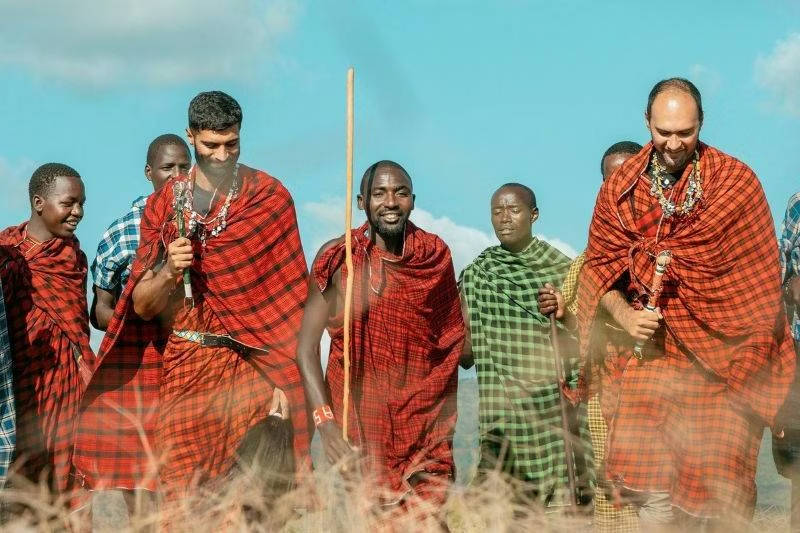
Countries like Kenya and Tanzania deliver experiences travellers often imagine long before they arrive.
- The Great Migration in the Maasai Mara National Reserve.
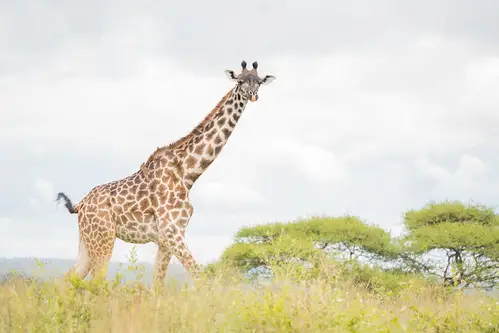
- Endless plains of Serengeti National Park.
- Wildlife beneath snow-capped Mount Kilimanjaro.
You do not need multiple countries to feel Africa deeply.
Sometimes one ecosystem tells the whole story.
2. Plan Around Seasons, Not Just Dates
Africa runs on nature’s calendar.
Rainfall shapes wildlife movement, landscapes, and even photography opportunities.
For example:
- July to October offers peak migration viewing in Kenya.
- January to March offers dramatic predator activity in Tanzania.
- November and May provide fewer crowds and excellent value.
Many travellers now deliberately choose shoulder seasons in 2026.
Why?
- Lower prices.
- Better lodge availability.
- More intimate experiences.
A knowledgeable operator helps match your travel style to the right timing.
3. Choose Experiences, Not Just Destinations
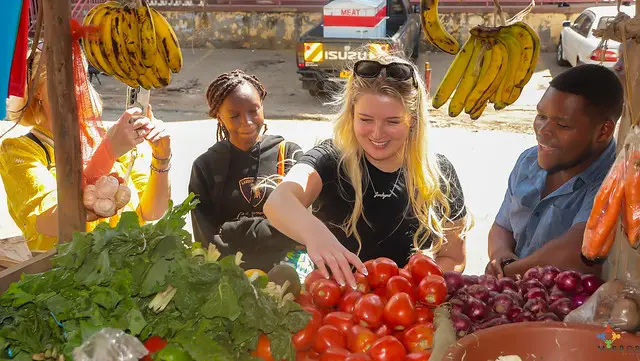
The biggest shift in 2026 travel is this:
People want experiences.
Not checklists.
Ask yourself:
- Do you want adventure?
- Connection?
- Wildlife?
- Food?
- Culture?
Consider combining:
- Safari drives.
- Walking safaris.
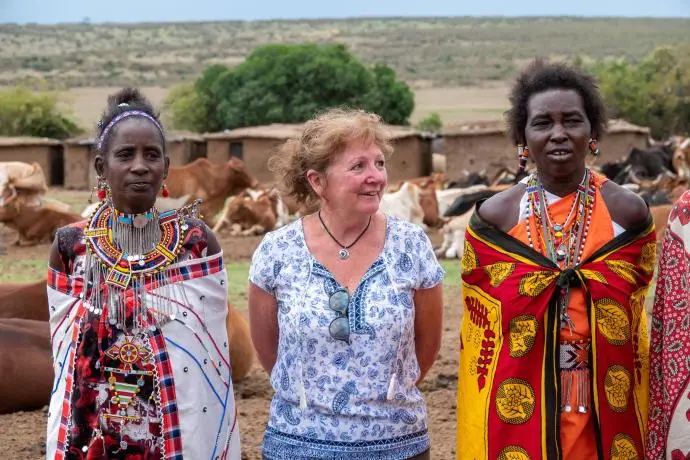
- Community visits.
- Conservation experiences.
- Beach relaxation.
Safari Is Only the Beginning
Africa offers experiences many travellers never imagine before arriving.
- You might paddle quietly through wetlands in the Okavango Delta.
- Walk alongside expert trackers in Zambia.
- Or unwind on white sand beaches in Zanzibar after safari.
The variety surprises people most.
4. Understand How Safaris Actually Work
Many first-time visitors assume safaris operate like theme parks.
They do not.
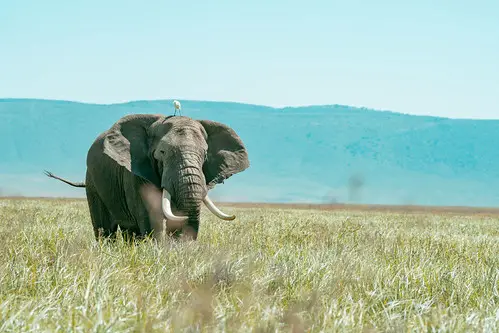
Wildlife moves freely.
Every drive is different.
That unpredictability becomes the magic.
Experienced guides read tracks, behaviour, and landscapes to create moments you cannot script.
Expect Early Mornings
Wildlife is most active at sunrise and sunset.
Typical safari rhythm:
- Sunrise game drive.
- Midday rest.
- Evening drive.
It sounds simple.
It becomes unforgettable very quickly.
5. Pack Smart, Not Heavy
Africa is casual.
Luxury lodges do not require formal wear.
Pack:
- Neutral coloured clothing.
- Comfortable walking shoes.
- Light jacket.
- Sun protection.
Avoid bright colours during safari activities.
Soft greens and browns work best.
Many small aircraft also have luggage weight limits.
Soft duffel bags are often required.
6. Safety in Africa: What Travellers Should Know
One of the biggest misconceptions about Africa is safety.
Millions of travellers visit every year without incident.
Like anywhere else in the world:
- Use reputable guides.
- Follow local advice.
- Avoid unnecessary night walking in cities.
Safari areas themselves are among the safest travel environments because they are highly managed and professional.
7. Health and Entry Requirements
Travel preparation has become easier but still requires planning.
Common considerations:
- Travel insurance.
- Routine vaccinations.
- Malaria advice depending on destination.
Many East African countries now offer streamlined electronic visas.
For example:
- Kenya introduced electronic entry systems.
- Tanzania offers online visa processing.
Always check requirements before departure.
Add Your Heading Text Here8. Slow Down and Allow Africa to Surprise You
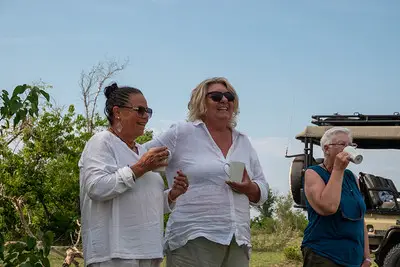
First-time visitors often plan every hour.
Africa rewards those who leave space.
- A delayed elephant crossing.
- Unexpected laughter during a village visit.
- A conversation around a campfire.
These become the memories people talk about years later.
9. Choose Travel That Gives Back
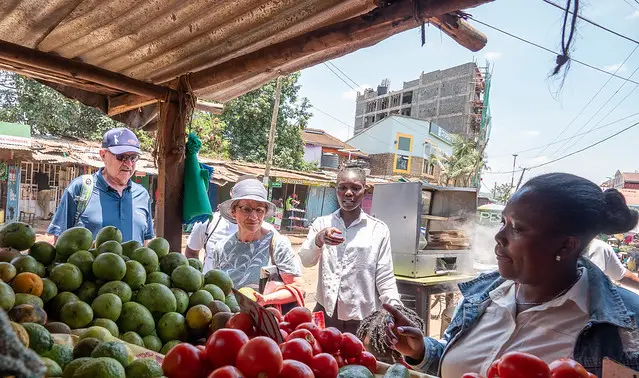
One of the strongest travel trends in 2026 is impact travel.
Travellers increasingly want their journey to support conservation and communities.
That might include:
- Supporting education programs.
- Visiting conservation initiatives.
- Choosing locally owned lodges.
Travel becomes more meaningful when communities benefit directly.
10. Work With Experts Who Know Africa Personally
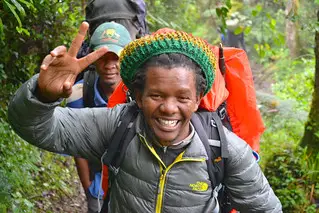
Africa rewards experience.
Distances are vast. Weather shifts quickly and wildlife movements change.
Working with experienced planners helps avoid common mistakes and unlock experiences travellers often never find alone.
Final Thoughts: Your First Africa Trip Will Not Be Your Last
Most people arrive with expectations.
They leave with stories.
Africa has a way of feeling both immense and deeply personal at the same time.
If you come curious, patient, and open to discovery, your first journey often becomes the beginning of many more.