The Best Time to Climb Kilimanjaro: When Should You Go?
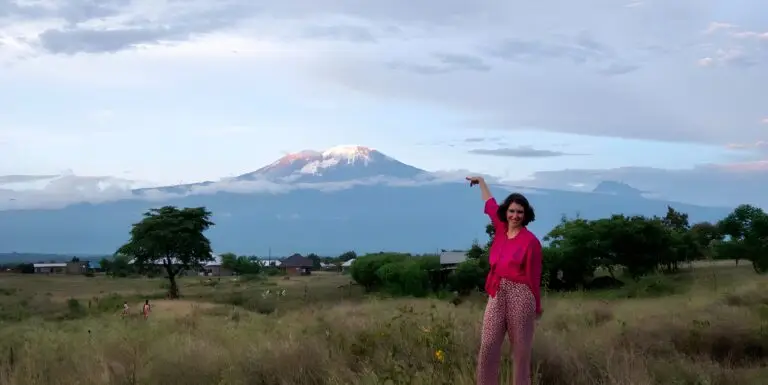
There is a moment on Kilimanjaro when you realize just how much the mountain has changed. If you’re curious about the best time to climb Kilimanjaro, consider the diverse environments you will traverse. At the bottom, you’re walking through warm, lush rainforest. A few days later, you’re crossing open moorland, then volcanic desert, before eventually finding yourself surrounded by rock, ice and Arctic-like conditions near the summit. And the weather changes just as dramatically, making the timing of your climb crucial.
When Is the Best Time to Climb Kilimanjaro?
If you’re looking for the simplest answer, aim for one of the mountain’s two main dry periods:
January to early March
June to October
These months generally offer the best combination of drier trails, clearer skies and more favourable trekking conditions.
The two windows are slightly different, though.
January and February tend to be warmer and can offer excellent visibility, while June through October is the longer and more established dry-season climbing window.
July and August are particularly popular, so excellent weather also means more people on the mountain.
If you want our pick for the best balance between conditions and crowds, September is a very strong contender, with October also worth considering.
But before you book your flights, let’s look at what each part of the year actually feels like.
Understanding the best time to climb Kilimanjaro can enhance your experience significantly.
Kilimanjaro's Seasons Explained
Kilimanjaro doesn’t follow the familiar four-season calendar you might be used to in Europe or North America.
Being close to the equator, Tanzania’s mountain climate is shaped more by wet and dry periods.
Broadly, you can think of the year like this:
| Period | Typical conditions | Crowds | Our take |
|---|---|---|---|
| January–February | Generally dry, clear mornings | Moderate to busy | Excellent |
| March | Increasing chance of rain | Lower | Good early in the month |
| April–May | Long rains | Low | Least recommended |
| June | Drying out, cooler | Moderate | Excellent shoulder season |
| July–August | Dry, cold and busy | High | Excellent weather, more people |
| September | Dry and generally clear | Moderate-high | One of our favourites |
| October | Generally dry, transitioning later | Moderate | Very good |
| November | Short rains | Low | Possible, but less predictable |
| December | Mixed conditions, festive demand | Moderate-high | Good, especially later in the month |
In light of this, determining the best time to climb Kilimanjaro is essential for a successful trek.
Remember, mountains have their own weather. No month comes with a guarantee of sunshine, and even during the dry season you can experience rain, cloud, wind or snow.
What the seasons do is change the odds.
And on a mountain like Kilimanjaro, those odds matter.
January and February: A Fantastic Time to Climb
January and February sit within Kilimanjaro’s shorter dry-season window and are among the most popular months for climbing.
The weather is generally favourable, the mountain can be beautifully clear, and the summit may have fresh snow and ice that add to the scenery.
There can still be clouds and occasional showers, particularly as you move through different altitude zones, but conditions are often excellent for trekking.
Another advantage?
You’re outside the main July and August rush.
That can mean a more relaxed experience on the trail, although popular routes can still become busy around the full moon and holiday periods.
Best for: good weather, clear views, photography and travellers who want to avoid the busiest part of the year.
March: A Month of Transition
March can be a little harder to predict.
Early March can still offer good trekking conditions, but as the month progresses, the likelihood of rain increases.
If March is your only available time, an experienced operator can help you choose the right route and departure date.
The advantage is that the mountain is generally quieter than during the major July and August peak.
Best for: flexible travellers who want fewer crowds and are comfortable with some weather uncertainty.
April and May: The Long Rains
Let’s be honest.
If you have complete flexibility over when to climb, April and May would not be our first choice.
These months bring Tanzania’s long rains. Lower sections of Kilimanjaro can become wet and muddy, while cloud can reduce visibility and make already demanding trekking days feel harder.
That doesn’t mean climbing is impossible.
People do summit Kilimanjaro during the wet season. But you’re accepting a greater chance of wet trails, poor visibility and uncomfortable conditions in exchange for quieter routes.
If you absolutely need to climb during this period, route choice becomes particularly important. The northern side of the mountain can sometimes offer relatively drier conditions, making routes such as Rongai worth discussing with your operator.
Best for: experienced or flexible trekkers who don’t mind challenging weather and want very quiet trails.
Our advice: if you have a choice, wait for the dry season.
June: The Shoulder-Season Sweet Spot
June is an interesting month.
The long rains are generally coming to an end, the mountain begins to dry out and the main peak-season crowds haven’t fully arrived.
That can make June an excellent option for travellers looking for a balance between weather and quieter trails.
It’s also a good time to combine a Kilimanjaro climb with a wider Tanzanian adventure.
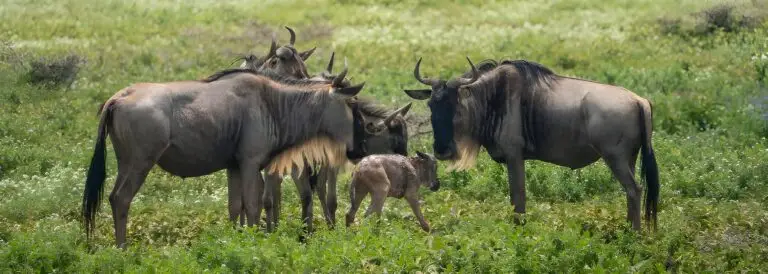
Imagine finishing your trek, having a well-earned shower and then heading out into the Serengeti or Ngorongoro Conservation Area.
Not a bad way to celebrate reaching the Roof of Africa.
Best for: travellers looking for good conditions, fewer crowds and potential shoulder-season value.
July and August: Peak Kilimanjaro Season
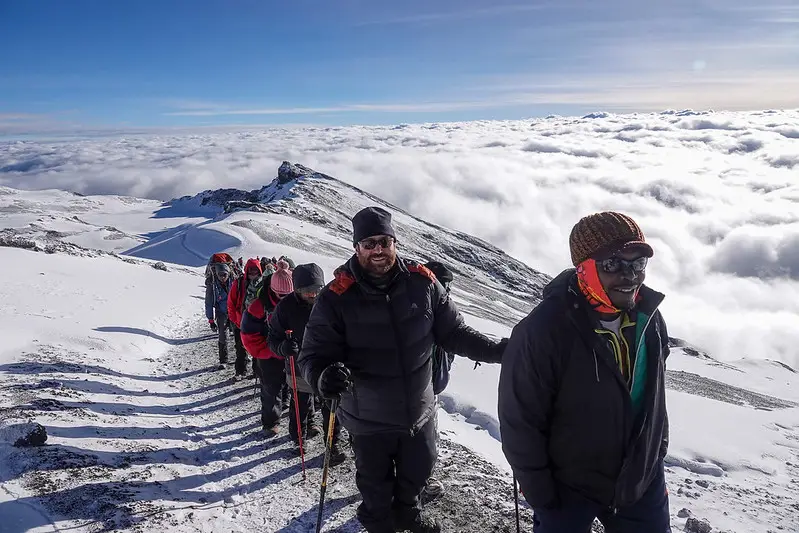
If you’ve ever seen those iconic photographs of long lines of trekkers making their way towards a snow-capped summit under brilliant blue skies, there’s a good chance they were taken during the main dry season.
July and August are among the most popular months to climb Kilimanjaro.
The weather is generally dry and visibility can be excellent. The trade-off is that everyone else knows it too.
Popular routes and camps can become busy, particularly around full-moon departures.
This doesn’t mean you shouldn’t climb during July or August. Far from it.
If your priority is favourable weather and you’re happy sharing the mountain with more trekkers, these are excellent months.
Just book early.
Best for: reliable dry-season conditions, families travelling during school holidays and first-time trekkers who prioritise weather over solitude.
September: Our Pick for the Sweet Spot
If we had to pick one month for a traveller asking us for the best time to climb Kilimanjaro, September would be very high on the list.
Why?
You’re still within the main dry season, but you’ve moved beyond the busiest July and August period.
The weather is generally favourable, the skies can be wonderfully clear and the mountain begins to feel a little less crowded.
It’s also a great month for combining Kilimanjaro with a safari.
You can spend several days trekking through five distinct ecological zones before swapping hiking boots for a safari vehicle and heading into the northern Tanzania circuit.
Mountain, wildlife and some of Africa’s most spectacular landscapes in one trip.
Best for: the overall balance of weather, scenery, crowds and a wider Tanzania adventure.
October: Another Excellent Choice
October is another strong option.
Conditions are generally favourable, particularly earlier in the month, although the transition towards the short rains means weather becomes less predictable as November approaches.
The biggest advantage is that the July and August crowds have eased.
If September dates don’t work for you, October is well worth considering.
And if you’re interested in wildlife as well as mountains, October can fit beautifully into a larger Tanzanian itinerary.
Best for: dry-season trekking, fewer crowds and combining Kilimanjaro with safari.
November: The Short Rains
November brings Tanzania’s shorter rainy period.
The showers can be less persistent than during the long rains, but conditions become more unpredictable.
The mountain is quieter, which can be appealing if solitude is your priority.
But if this is your first major high-altitude trek and you have complete flexibility, we’d generally recommend choosing a more reliable period.
Best for: experienced travellers who prioritise quieter trails and don’t mind some weather uncertainty.
December: A Festive Kilimanjaro Adventure
December can be a fascinating time to climb.
Conditions can vary as the short rains move through, but there are also periods of good weather.
Towards Christmas and New Year, demand can increase significantly as international travellers combine their holiday break with a Kilimanjaro adventure.
If you’re planning a festive-season climb, book early and be prepared for some variability in weather.
Best for: travellers combining Christmas or New Year with a Tanzania adventure.
Given the conditions, January and February are often touted as the best time to climb Kilimanjaro, thanks to the favorable weather.
What Is the Best Month to Climb Kilimanjaro?
If you’re still looking for a single answer, here’s how we’d break it down:
Best overall: September
Best for the most reliable dry-season conditions: July to September
Best for fewer crowds: February or September
Best for shoulder-season value: June
Best for combining with a safari: January to March or June to October
Best for avoiding the busiest months: February, June or October
Least recommended for most travellers: April and May
But here’s the important part:
The best month is ultimately the month that fits your priorities.
There is no prize for climbing Kilimanjaro in the most popular month.
A quieter climb in September can be just as memorable, if not more so, than a busy August departure.
For many, the best time to climb Kilimanjaro aligns with their desire for fewer crowds and better weather.
Does the Full Moon Matter on Kilimanjaro?
It can.
Kilimanjaro summit attempts usually begin around midnight, meaning the first part of your climb takes place in darkness.
A full moon can light up the mountain, making the trail feel completely different.
The moonlight reflecting across the volcanic landscape and surrounding glaciers can be spectacular.
For some trekkers, it’s an experience worth planning around.
But there is a trade-off.
Full-moon departures are popular, which means you may encounter more climbers on the trail.
If you’re looking for the best of both worlds, you don’t necessarily need to summit on the exact night of the full moon. The nights immediately before and after can still benefit from substantial moonlight.
On the other hand, if you dream of seeing the Milky Way stretching across a completely dark African sky, a new-moon departure may be more your style.
Sometimes choosing a date is less about finding the “best” moon and more about deciding which experience you want.
Does the Time of Year Affect Which Kilimanjaro Route You Should Take?
It can.
The weather isn’t identical on every side of the mountain, and some routes can be more suitable than others during wetter periods.
During the drier months, you have plenty of excellent options, including the popular Machame and Lemosho routes.
At Adventure Out Loud, we particularly like Lemosho because it combines spectacular scenery with a longer itinerary that allows more time for acclimatisation.
An eight-day Lemosho itinerary gives you time to gradually gain altitude while experiencing the mountain’s changing landscapes.
For us, route selection isn’t simply about choosing the most famous trail.
It’s about choosing the route that gives you the best experience.
Does the Number of Days Matter More Than the Month?
In many cases, yes.
Choosing a good month helps, but it isn’t a substitute for proper acclimatisation.
Kilimanjaro is nearly 5,900 metres high. Your body needs time to adapt to the decreasing oxygen availability as you ascend.
That’s why we recommend allowing enough time for acclimatisation rather than trying to squeeze the mountain into the shortest itinerary possible.
At Adventure Out Loud, our recommended Lemosho itinerary takes eight days. The additional time isn’t there simply to make the trek longer.
It’s there to give your body more time to adapt, while also giving you more time to enjoy the mountain rather than racing towards the summit.
Here’s something important to remember:
Kilimanjaro’s summit is cold all year round.
You can be sweating in the lower rainforest and standing in below-freezing temperatures near Uhuru Peak only a few days later.
The summit environment is essentially Arctic, regardless of whether you climb in January, July or September.
So don’t make the mistake of thinking a “warm” climbing month means a warm summit.
You still need proper layers, gloves, a warm hat, suitable trekking boots and protection against wind and cold.
And then there’s summit morning.
You leave camp in the darkness, usually around midnight, and spend hours steadily climbing towards the roof of Africa.
Eventually, the horizon begins to brighten.
The cold starts to lose its grip.
And then you see it.
Sunrise.
Africa spreading out below you.
That’s the moment the weather forecast, the training, the early mornings and every step of the climb suddenly feel worth it.
So, When Should You Climb Kilimanjaro?
If you’re looking for the simplest recommendation, we’d suggest January to early March or June to October, with September standing out as one of the best all-round choices.
But don’t let the calendar make the decision for you.
Think about what matters most.
Want the best chance of dry weather? Choose one of the dry-season windows.
Want fewer people? Consider February, June or September.
Want to combine your climb with a safari? Several months work beautifully.
Want a full-moon summit? Plan your itinerary around the lunar calendar.
Want the quietest possible mountain? You’ll need to accept more unpredictable weather.
And if your only available dates fall outside the traditional climbing seasons, don’t automatically give up. Kilimanjaro can be climbed throughout the year, and an experienced operator can help you choose the right route, equipment and itinerary for the conditions.
Ultimately, the best time to climb Kilimanjaro is when conditions align with your trekking goals.
Frequently Asked Questions About the Best Time to Climb Kilimanjaro
What is the best time to climb Kilimanjaro?
The best time to climb Kilimanjaro is generally during one of the two dry-season windows: January to early March or June to October. September is particularly attractive for travellers looking for a balance between good weather and fewer crowds.
What is the best month to climb Kilimanjaro?
September is one of the best all-round months, offering generally favourable dry-season conditions while avoiding some of the peak July and August crowds. January and February are also excellent choices.
Can you climb Kilimanjaro all year round?
Yes. Kilimanjaro can be climbed throughout the year, although weather conditions vary considerably. The long rains in April and May generally make for the most challenging trekking conditions.
Is July or August better for climbing Kilimanjaro?
Both July and August are excellent for dry-season conditions, but they are also among the busiest months on the mountain. If you want similar conditions with fewer people, consider September or October.
Is September a good month to climb Kilimanjaro?
Yes. September is one of our favourite months because it combines generally dry conditions and good visibility with fewer crowds than the July and August peak.
What is the worst time to climb Kilimanjaro?
April and May are generally considered the most challenging months because of the long rains. Trails can be muddy and visibility can be reduced. Climbing is still possible, but most travellers with flexible dates would be better choosing a drier period.
What is the weather like at the top of Kilimanjaro?
The summit is cold throughout the year, with temperatures commonly below freezing during the summit attempt. Weather can also change quickly, so proper cold-weather clothing is essential regardless of when you climb.
Is it better to climb Kilimanjaro during a full moon?
A full moon can make the night-time summit approach brighter and more atmospheric. However, full-moon departures are popular and can be busier. If you prefer dark skies and stargazing, a new-moon departure may be more appealing.
How many days should I allow to climb Kilimanjaro?
We recommend allowing at least seven days for your trek, with longer itineraries offering more time for acclimatisation. Our popular Lemosho itinerary takes eight days, combining spectacular scenery with a more gradual ascent.
As you consider your options, keep in mind that the best time to climb Kilimanjaro can vary based on personal preferences.
Understanding the best time to climb Kilimanjaro will help shape your entire adventure.
Ready to Climb Kilimanjaro?
There is no single perfect day to climb Kilimanjaro.
There is, however, a perfect adventure for you.
Maybe that’s standing on Uhuru Peak in February with fresh snow around you. Maybe it’s a September sunrise after a quieter trek. Maybe it’s a July expedition followed by a Serengeti safari. Or perhaps it’s simply finding a few days in your calendar when you’re ready to step away from ordinary life and take on something extraordinary.
Whenever you choose to go, the mountain will challenge you.
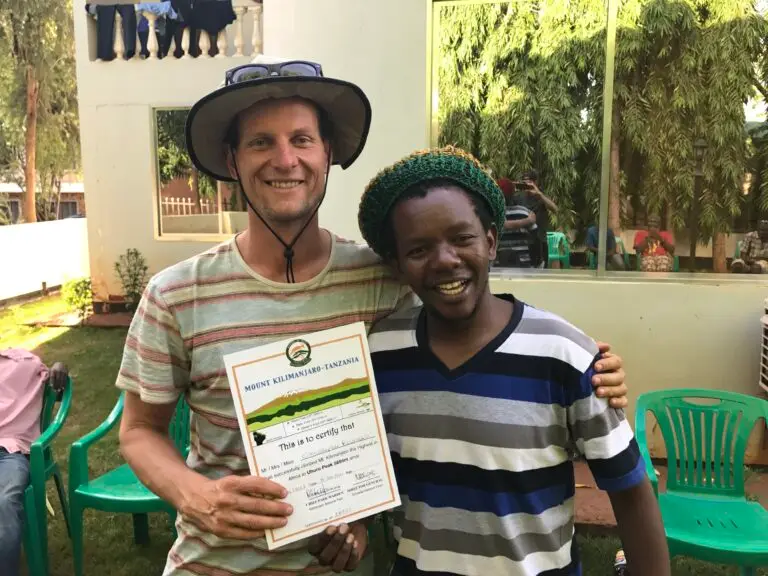
You’ll walk through rainforest, moorland and alpine desert. You’ll sleep under some of Africa’s clearest skies. You’ll meet an incredible local crew. And, if everything comes together, you’ll stand at 5,895 metres above sea level on the Roof of Africa.
At Adventure Out Loud, we’ve been helping travellers climb Kilimanjaro since 2015. With experienced local and Western guides, carefully designed itineraries and a strong focus on acclimatisation and safety, we’ve helped 98% of our trekkers reach the summit.
So don’t just ask, “When is the best time to climb Kilimanjaro?”
Ask yourself:
When are you ready for the adventure of a lifetime? Whenever you decide to go, knowing the best time to climb Kilimanjaro can make all the difference.
Get in touch with the Adventure Out Loud team and let’s start planning your Kilimanjaro climb.