How Hard Is It to Climb Kilimanjaro? Honest Answers and 19 Tips
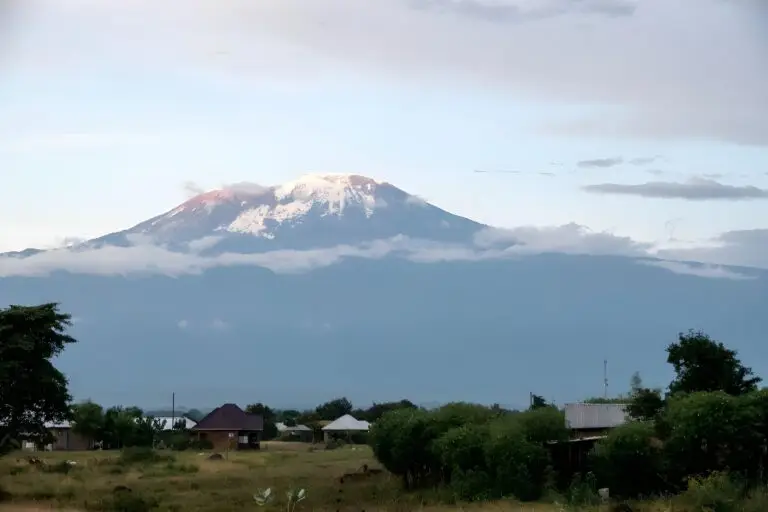
Short answer: Kilimanjaro is hard, but it is not technical. There are no ropes, ladders or climbing skills involved; it is a long, steep walk. What makes it difficult is the altitude (Uhuru Peak is 5,895m), the cold, five to nine days of hiking and, above all, summit night: six to eight hours of slow walking in the dark, well below freezing, on thin air.
The good news is that with enough days on the mountain, sensible training and a good crew, most reasonably fit people make it. Our own summit success rate is 98%. Below we explain what really makes Kilimanjaro hard, what makes it easier, and the tips we give every trekker before they go.
What makes Kilimanjaro hard?
- Altitude. Above about 3,000m most people feel the thinner air: headaches, poor sleep, low appetite, breathlessness. This, not fitness, is the main reason people turn back. Read our guide to altitude sickness.
- Summit night. You start around midnight and climb roughly 1,200m to the crater rim and on to Uhuru Peak, then descend a long way the same day. It is the hardest part of the trek for almost everyone.
- The cold. Days on the lower slopes can be 20°C or more, but nights drop below zero and summit night can feel like -20°C with wind chill.
- Day after day of walking. Most days are four to seven hours of hiking, often steep, followed by a night in a tent.
- Your head. Mental toughness matters as much as fitness. We have seen older and less athletic trekkers reach the top while younger, fitter ones gave up.
What makes it easier?
- More days. The single biggest factor. Choose at least seven days; longer routes give your body time to acclimatise and have higher success rates. Compare them in our guide to Kilimanjaro routes.
- Training. Aim to comfortably walk four to six hours with a pack, ideally on hills. Our Kilimanjaro training plan sets out what to do in the weeks before you go.
- Going slowly. “Pole pole” (slowly, in Swahili) is the mantra on the mountain. Keeping your heart rate low helps your body cope with less oxygen.
- The right season. Dry months mean firmer trails, better views and warmer gear. See the best time to climb Kilimanjaro.
- A good crew. Experienced guides who monitor your health every day are what keep a hard climb safe.
Who can climb Kilimanjaro?
Tanzania’s park authority sets a minimum age of 10 for summit climbs, and there is no upper limit: one of our trekkers reached the top at 90 years old. If you have a heart or lung condition, or any concerns about altitude, talk to your doctor before you book.
Tips to make your Kilimanjaro climb easier
1. Train on hills, up and down
The best training is to put your boots on and walk up and down as many hills and stairs as you can. Hiking uses different muscles from running or the gym, especially going downhill. Add squats, lunges and core work, and a little stretching to reduce the risk of injury.
2. Wear your boots in
New boots are a disaster on Kilimanjaro. Make sure yours are warm, waterproof and well worn before you go, and use blister plasters or strapping tape as soon as you feel a hot spot.
3. Use trekking poles
Poles take a lot of the impact off your knees, particularly on the long descents.
4. Walk slowly, even when you feel great
Rapid ascent is the main cause of altitude sickness. Walk slowly, allow enough days, and do not worry about being the last into camp each afternoon.
5. Climb high, sleep low
Most days your guides will offer a short acclimatisation walk above camp. Go: walking higher than you sleep is one of the best ways to acclimatise.
6. Drink three to four litres a day
Dehydration makes altitude symptoms worse. Bring electrolyte sachets so you have something tastier than water.
7. Bring bottles, not just a bladder
Hydration bladders and their tubes freeze on summit night. Carry insulated bottles too, and store them upside down so the top is the last part to freeze.
8. Prepare for the cold
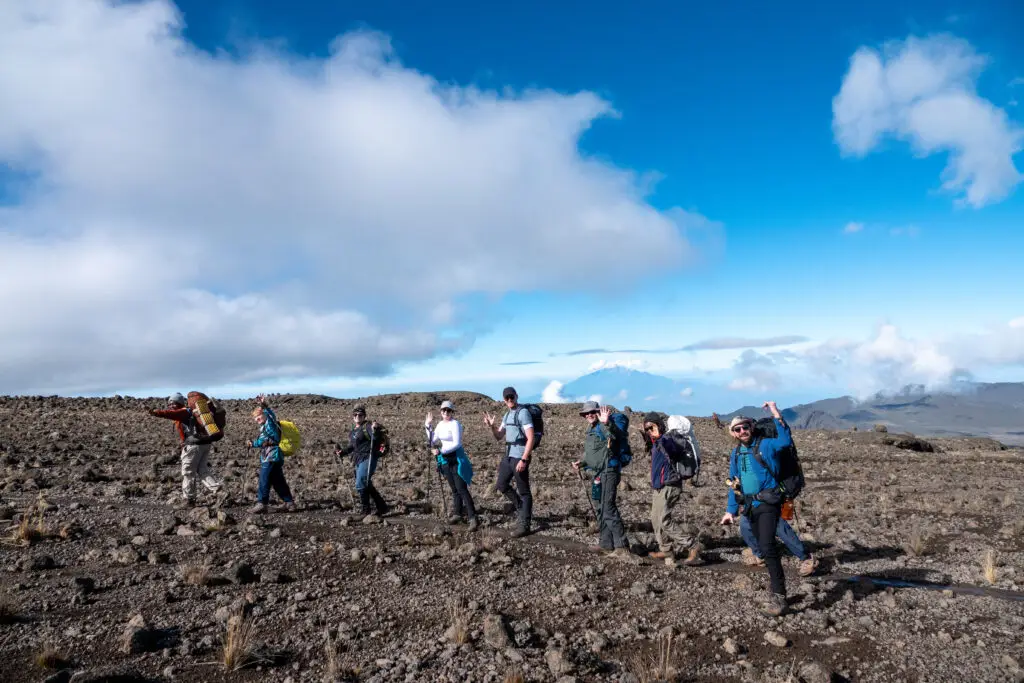
Pack proper layers (see our Kilimanjaro packing list), and add chemical hand and toe warmers for summit night. Before summit night, take everything you will wear into your sleeping bag with you so it is warm when you put it on; cold boots are one of the most common reasons people turn back.
9. Keep everything dry
Pack clothes, sleeping bag and gear in dry bags. Once something is wet on Kilimanjaro, it rarely dries, and you cannot wear wet gear on summit night.
10. Protect yourself from the sun
You are very exposed for most of the trek. Wear UV sunglasses, a hat and long sleeves, and use sunscreen every day.
11. Keep batteries warm
Cold batteries drain in minutes. Keep your phone, camera and headlamp batteries close to your body, and bring spares and a power bank so you can capture the summit.
12. Hire what you won’t use again
Most bulky gear can be hired cheaply in Moshi. Bring the essentials from home and hire the rest.
13. Pack the small comforts
Toilet paper in a zip-lock bag, wet wipes (your only shower for a week) and ear plugs for noisy campsites will make a surprising difference.
14. Don’t overpack for downtime
Most people are asleep by 8pm. Leave the books and card games at home and enjoy the mountain.
15. Listen to your body and your guides
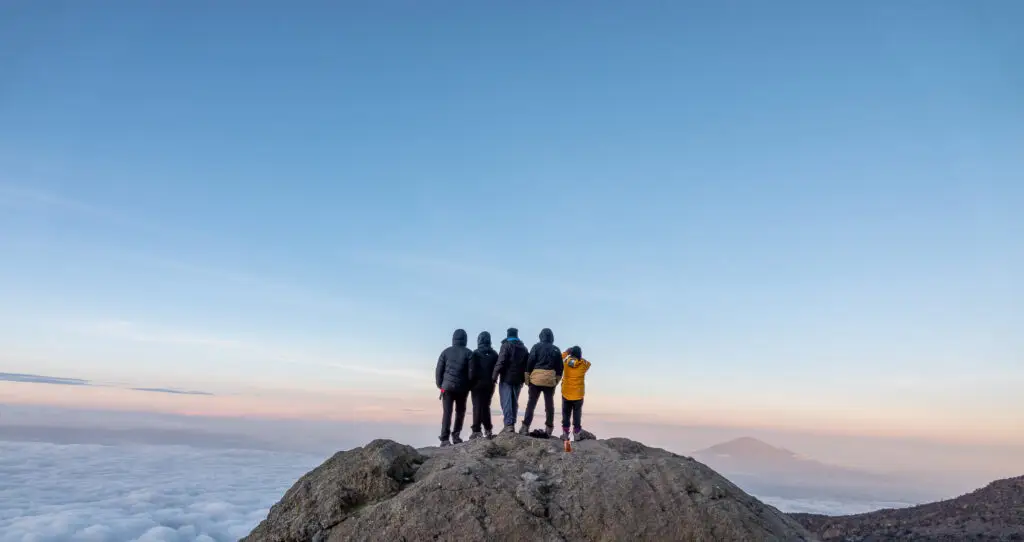
Headache, nausea, loss of appetite and fatigue are signs of acute mountain sickness (AMS). Mild symptoms often settle with rest, so tell your guide and stay calm; many people who feel terrible on day two or three still summit safely. But if symptoms get worse, the only cure is to go down. Continuing to climb can lead to HACE or HAPE, which can kill. Kilimanjaro is just a mountain, and it will still be there another day.
16. Choose your operator carefully
The cheapest climb is rarely a bargain. Park fees are fixed and cannot be avoided, so a very low price means savings on guides, food, tents or wages, all of which affect your safety and comfort. See how much it costs to climb Kilimanjaro and our guide to choosing a tour operator.
17. Get to know your crew
No one can climb without a licensed guide and support crew. Learn their names and their stories, and they will become your family on the mountain. Tipping is expected in Tanzania and is an important part of your crew’s income, so budget for it.
18. Use music on the hard days
When your legs are heavy, a few songs (or getting the whole group singing) can carry you to the next camp.
19. Enjoy the journey, not just the summit
You pass through five climate zones, from rainforest to arctic summit. Don’t think about the top until you reach base camp; until then, take it one step at a time and take it all in.
A lesson from our founder
Our founder first climbed Kilimanjaro as a 20-year-old university student who thought he was invincible. He took five days on the Marangu route, was told not to bother with altitude medication, and started vomiting at Gilman’s Point. He pushed on, does not remember reaching Uhuru Peak, and spent the next three days in bed. It is the reason we only run climbs of seven days or more, and why our guides put your safety ahead of the summit every time.
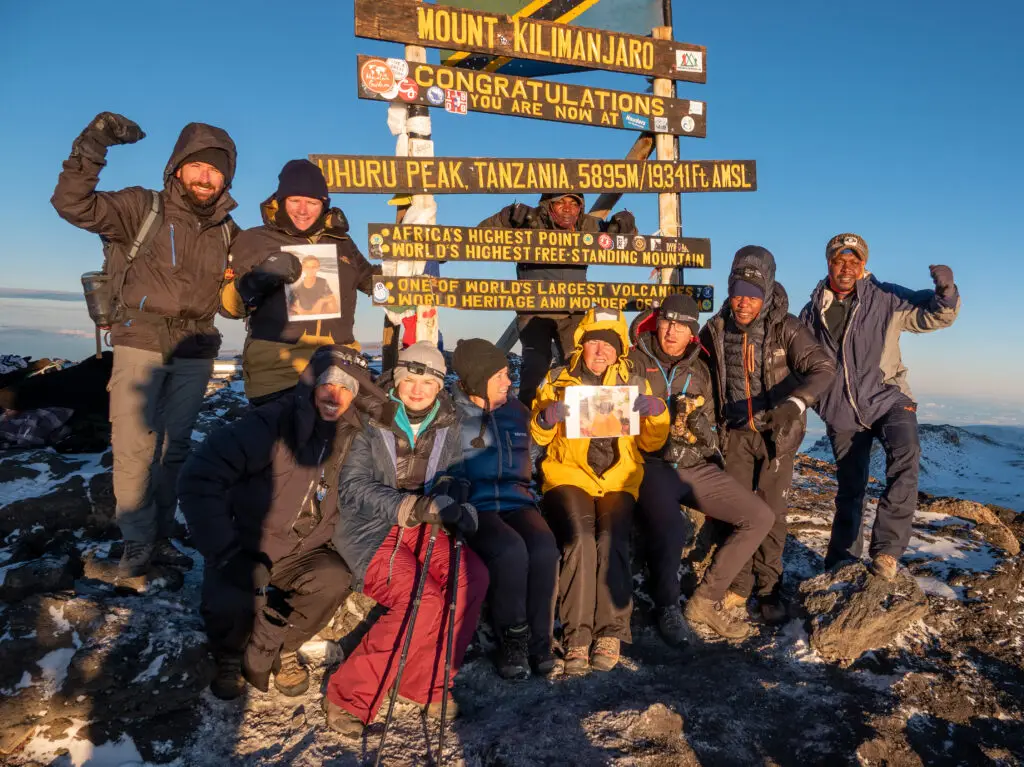
Kilimanjaro is one of the hardest things most people will ever do, and one of the most rewarding. Take your time, prepare well, and when you stand on the Roof of Africa you will know exactly why you did it. Ready to start? Compare our Kilimanjaro climbs.